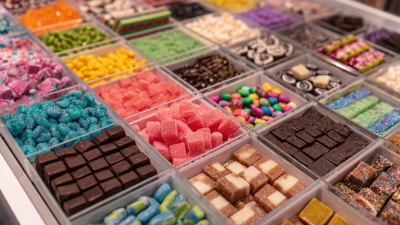
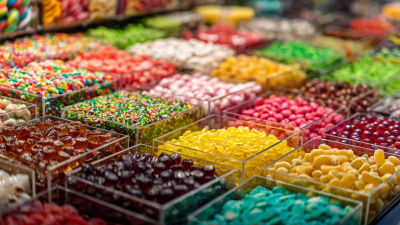
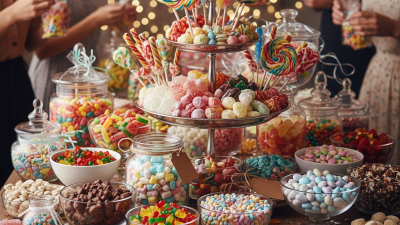
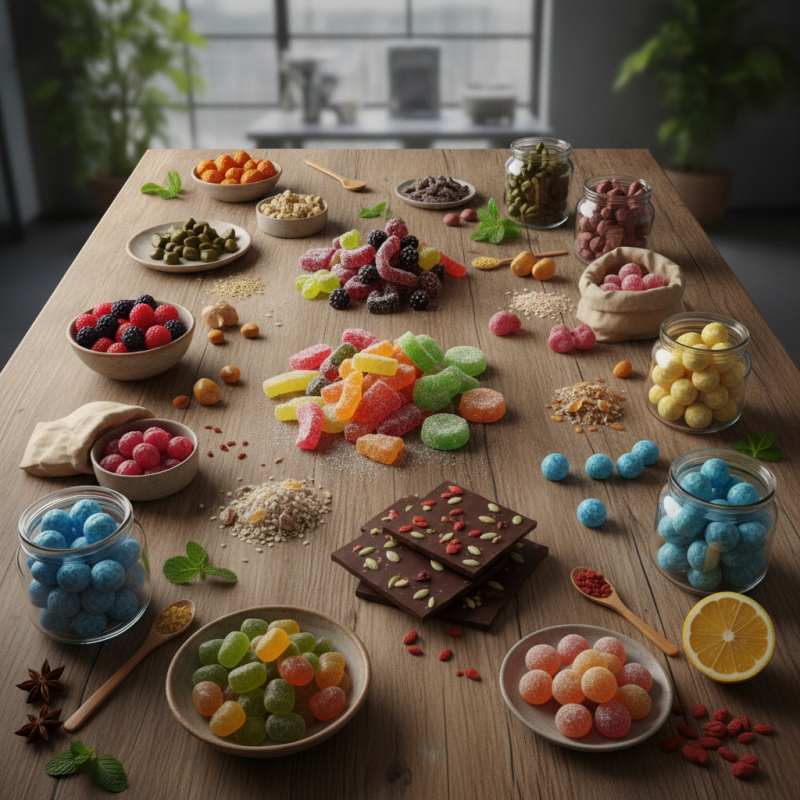
As we look ahead to 2026, the global candy scene is set to bring some pretty exciting trends to the table, especially in Candy Selection. Based on the latest reports from the International Confectionery Association, more folks are craving unique flavor combos and healthier options than ever before. Turns out, about 72% of consumers now prefer candies made with natural ingredients and innovative tastes. With this kind of shift in what people want, companies really need to stay agile and adapt quickly.
What’s interesting is that these trends also reflect a bigger push towards sustainability and transparency. Dr. Emily Thompson from Sweet Analytics, an industry pro, points out, “Brands need to prioritize quality and ethics if they want to stand out in a crowded marketplace.” Basically, it’s no longer just about how good it tastes—it’s about aligning with consumers’ values and lifestyles.
Of course, it’s not all smooth sailing. Many brands face challenges when it comes to sourcing ingredients without eating into their profits. Plus, gathering consumer feedback can be slow, which means missing out on chances to pivot or innovate. So, as 2026 approaches, companies have got some serious work to do. Navigating these changes isn’t easy, but it’s pretty much essential if they want their candy game to succeed in the long run.
Emerging Flavor Profiles in Global Candy Selection for 2026
As we look ahead to 2026, the candy industry is poised for exciting transformations in flavor profiles. According to recent insights from industry leaders, there's a growing inclination towards unconventional tastes that reflect cultural diversity and personal experiences. Research by the International Confectionery Association indicates that 43% of global buyers are seeking unique flavor combinations that enhance sensory experiences. These trends illustrate an important shift in consumer preferences.
One emerging favorite is umami, often associated with savory foods. This flavor profile is penetrating the sweet market, drawing in adventurous consumers. Similarly, botanical flavors, such as lavender and rosemary, are gaining traction. Reports suggest that botanical-infused candies have seen a 30% increase in interest in the past year. Natural ingredients resonate more with health-conscious consumers, who are increasingly wary of artificial additives.
While flavor innovation is on the rise, challenges remain. Balancing taste with health considerations is complex. Brands must navigate consumer expectations for transparency and sustainability. Some companies struggle to meet these rising demands without compromising on flavor or quality. The evolving landscape presents both opportunities and hurdles for manufacturers, requiring agility and creativity to succeed in a competitive marketplace.
Sustainability Trends Impacting Candy Packaging and Ingredients
Sustainability is reshaping the candy industry. Consumers increasingly demand eco-friendly packaging and natural ingredients. This trend is evident in the growing popularity of biodegradable wrappers and recyclable materials. Brands are rethinking their packaging choices. They aim for less plastic and more sustainable alternatives.
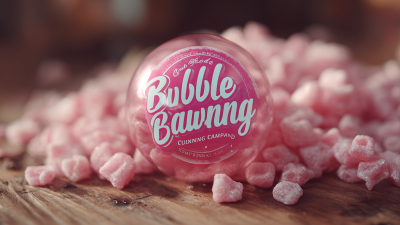
Natural ingredients are also gaining traction. Candy makers are now using organic sugars and fruit extracts. The focus on transparency is crucial. Shoppers want to know what goes into their favorite treats. This shift may influence products like Bubble Gum Selection. Each ingredient is crucial to meet both taste and sustainability standards.
However, challenges persist. Sourcing sustainable materials can be costly. Some manufacturers struggle to maintain flavor while complying with eco-friendly practices. There are concerns regarding the availability of high-quality alternatives. The balance between cost, flavor, and sustainability often leads to tough decisions. The candy industry must navigate these complexities while keeping consumers satisfied.
2026 Top Candy Selection Trends for Global Buyers - Sustainability Trends Impacting Candy Packaging and Ingredients
| Trend |
Description |
Impact on Packaging |
Impact on Ingredients |
| Clean Labeling |
Moving towards transparency with natural ingredients and minimal processing. |
Increased use of biodegradable or recyclable labels. |
Focus on organic and non-GMO ingredients. |
| Plant-Based Ingredients |
Using plant-derived materials across all candy types. |
Adoption of sustainable materials for wrappers and containers. |
Incorporation of plant-based sweeteners and colors. |
| Reduced Sugar Options |
Increased demand for low-sugar or sugar-free alternatives. |
Simplified packaging reflecting health-conscious trends. |
Usage of natural sweeteners like stevia or monk fruit. |
| Ethically Sourced Ingredients |
Emphasizing fair trade and sustainable farming practices. |
Eco-friendly packaging emphasizing the sourcing story. |
Prioritization of sustainable cocoa, sugar, and vanilla sources. |
| Personalization |
Customizable candy options for consumers, catering to their tastes. |
Innovative packaging that allows consumer interaction. |
Flexible ingredient lists to cater to personal preferences. |
Health-Conscious Candy: The Rise of Low Sugar and Natural Options
The candy landscape is evolving. Health-conscious consumers are driving the demand for low sugar and natural options. This shift is evident across various candy selections. With the rise of tools that measure sugar levels and ingredient transparency, buyers have the power to make informed choices. Candy Jelly Candy products, for instance, are being reformulated to fit this trend, enticing health-oriented shoppers.
When seeking healthy candy options, consider ingredients carefully. Look for candies made with natural sweeteners like stevia or monk fruit. These alternatives help reduce sugar content while maintaining sweetness. Be aware of the balance between taste and nutritional value. It's essential to avoid overly processed products. They might still claim to be healthy but can contain hidden sugars or artificial additives.
Pay attention to portion sizes when indulging in Candy Jelly Candy. Eating in moderation is key to enjoying sweets without compromising health goals. Packaging that suggests serving sizes can help maintain control over consumption.
Ultimately, it's about finding balance. Reflect on your choices and their impact on overall well-being. Healthier candy options are becoming more prevalent, but they still require consumers to be mindful and discerning.
2026 Top Candy Selection Trends for Global Buyers
The chart below illustrates the growing trends in health-conscious candy selections, highlighting the shift towards low sugar and natural options among consumers in 2026.
Cultural Influences Shaping Candy Preferences Across Different Regions
Cultural influences play a key role in shaping candy preferences worldwide. In Asia, for example, traditional flavors like matcha and red bean are popular. In contrast, Western markets tend to favor chocolate and fruity flavors. These preferences reflect local tastes and cultural histories. Candy buyers must pay attention to these nuances when selecting products for their markets.
One tip for global buyers is to embrace regional flavors. Highlighting unique local ingredients can attract consumers seeking authentic experiences. For instance, consider incorporating spices like chili or herbs into candy products. This can resonate well with local preferences and boost appeal.
Another important factor is seasonal celebrations. Different cultures have specific holidays that influence candy sales. For example, festivals may call for special shapes or flavors. Buyers should align their product offerings with these occasions. Awareness of such cultural events can enhance market strategy significantly.
Remember, trends can be fleeting. Keeping up with changing preferences is crucial for sustained success. Regularly collect feedback from customers to refine your offerings and stay relevant.
Innovative Technology in Candy Production and Distribution in 2026
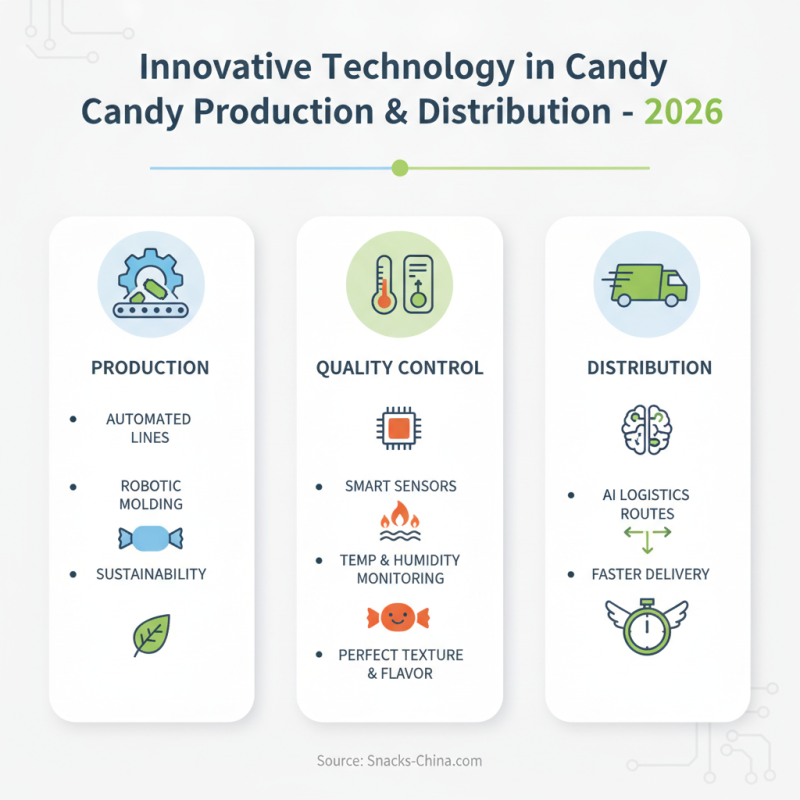
Innovative technology is reshaping the candy industry in 2026. Automation in production lines ensures faster output and consistent quality. Robotics handle delicate tasks, like the precise molding of Gum Candy, reducing waste. This accuracy can lead to a more sustainable production process. Companies are investing in smart machinery that can monitor temperature and humidity. Such advancements help maintain the perfect texture and flavor.
Sustainability is at the forefront. Many producers are exploring biodegradable packaging options. This shift aims to reduce environmental impact. Digital platforms allow consumers to engage with brands directly. They can share preferences for flavors and textures, influencing new product lines. For example, personalized Gum Candy options are becoming popular. People appreciate the ability to customize their treats.
Despite the clear benefits, challenges remain. Implementation costs for advanced technology can be high. Smaller manufacturers may struggle to keep up with larger entities. The rapid pace of change can lead to a skills gap in the workforce. Adapting to these new technologies while maintaining quality is essential. Innovation must also consider consumer safety and health, an ever-increasing priority in the candy sector.
The Role of Social Media in Candy Marketing and Consumer Trends
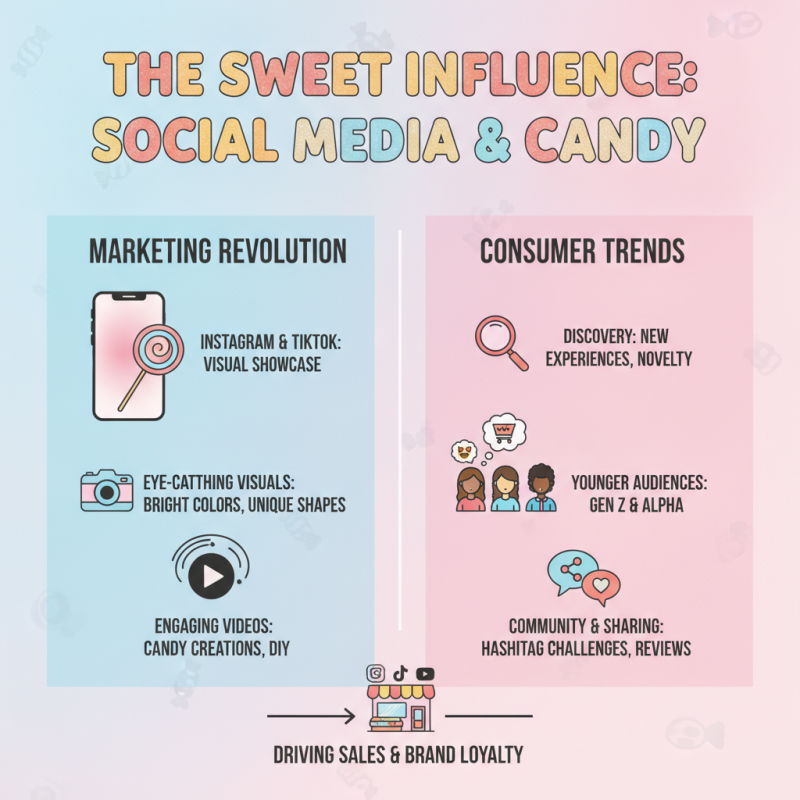
Social media has transformed the candy industry. Platforms like Instagram and TikTok have become vital for marketing. They offer brands a space to showcase their products visually. Bright colors and unique shapes grab attention instantly. Videos of candy creations attract various audiences, including younger consumers looking for new experiences.
However, relying too heavily on trends can backfire. Brands may feel pressure to constantly innovate and chase viral moments. Consumers might become overwhelmed by too many choices. This could lead to decision fatigue, where buyers struggle to choose. Marketers need to strike a balance between trend-driven and timeless products.
Authenticity is key in this digital landscape. Consumers are savvy; they can sense when a brand is not genuine. Ephemeral trends can overshadow a brand's core values. Engaging storytelling that resonates emotionally can build loyalty. Giving a glimpse into production processes can enhance transparency. This nurtures trust and encourages a deeper connection with consumers.
Future Predictions: What Global Buyers Should Anticipate for 2026 Candy
In 2026, the candy market is set to evolve significantly. Global buyers should prepare for trends driven by consumer preferences for health and sustainability. A recent report from the International Confectionery Association indicates that 35% of consumers are seeking healthier alternatives in sweets. This shift is influencing manufacturers to create products with lower sugar content and natural ingredients.
One notable trend is the rise of
Candy Toys
. These products blend play with confectionery, appealing to younger consumers. A study shows that the demand for such combined products is estimated to grow by 15% year-over-year. This presents a significant opportunity for buyers looking to stock innovative candies.
When considering future candy selections, pay attention to packaging. Eco-friendly materials will become crucial. A survey highlighted that 70% of consumers prefer packaging that is recyclable or biodegradable. Also, staying updated on flavor trends can enhance product offerings. Unique flavor combinations are gaining traction among adventurous consumers.
Tips for buyers: focus on sourcing from responsible suppliers and include fun, interactive items like Candy Toys. Monitor social media trends for insight into emerging flavors. Adaptability will be key in navigating the 2026 candy landscape.
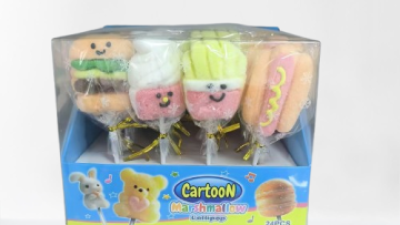
Delightful Indulgence: The Magic of Sweet Creative 3D Doll Shaped Cotton Candy in Display Show
The enchanting world of confectionery continues to evolve, and one of the most delightful innovations is the emergence of 3D doll-shaped cotton candy. This captivating treat not only appeals to the taste buds but also serves as a visual spectacle. Presented in vibrant lollipop-style packaging, these adorable marshmallows are neatly arranged in beautifully designed display boxes, grabbing attention from the moment they hit the shelves. According to industry reports, the global market for novelty candies has grown significantly, with an increasing demand for visually appealing and unique sweets that enhance the consumer experience.
The delightful taste of these doll-shaped marshmallows is another key factor in their popularity. They bring a nostalgic sweetness that melts in the mouth, leading consumers, particularly children, to crave more. Statistics indicate that products with a playful presentation can boost sales by up to 30%, demonstrating that aesthetic appeal can directly influence purchasing decisions. Additionally, each marshmallow lollipop is individually wrapped in transparent bags, making them perfect for retail environments, whether sold at supermarket counters or as part of bulk packages.
This combination of attractive design and irresistible flavor makes 3D doll-shaped cotton candy more than just a treat; it is also an ideal gift option for various occasions. The candy's charm lies in its dual purpose, serving both as a tasty indulgence and a decorative piece. As the candy market continues to diversify, products like these stand out, showcasing the magic of creativity in confectionery.
FAQS
: There’s a growing demand for unconventional tastes, such as umami and botanical flavors.
About 43% of global buyers seek unique combinations for enhanced sensory experiences.
Consumers want eco-friendly packaging, leading to more biodegradable wrappers and recyclable materials.
Balancing taste with health and sustainability can be complex and costly for many brands.
Shoppers increasingly demand natural ingredients, pushing candy makers to use organic sugars and fruit extracts.
Platforms like Instagram and TikTok are essential for showcasing products and attracting younger audiences.
Relying too much on trends can overwhelm consumers, leading to decision fatigue.
By engaging storytelling and transparency about production processes, brands can build trust with consumers.
There’s a clear shift towards flavors that reflect cultural diversity and personal experiences.
They often face tough decisions, as quality and compliance with eco-friendly practices can conflict.
Conclusion
The article "2026 Top Candy Selection Trends for Global Buyers" explores the evolving landscape of candy preferences expected to dominate the market in 2026. Key trends include emerging flavor profiles that reflect regional tastes, as well as a growing emphasis on sustainability in both packaging and ingredients. Additionally, the rise of health-conscious options is evident, with a significant shift towards low sugar and natural alternatives in candy selection.
Cultural influences play a pivotal role in shaping preferences, while innovative technology is anticipated to enhance candy production and distribution processes. Furthermore, social media's impact on marketing strategies is increasing, influencing consumer buying patterns. Overall, global buyers need to stay informed about these trends to anticipate the future candy selection landscape effectively.