You know, the global appetite for chocolate food is really booming right now. Recent figures suggest that the chocolate market could hit around USD 160 billion by 2025, and a lot of that growth is thanks to folks’s growing interest in premium and artisanal options. I recently read some insights from Dr. Michael Sweet, an industry expert, who mentioned that China’s unique takes on chocolate are starting to get noticed on the international stage. That kind of recognition is a big deal and shows just how important Chinese chocolate products are becoming for buyers worldwide.
Chinese chocolatiers are really blending tradition with modern techniques, which is pretty exciting to see. They’re experimenting with ingredients like Sichuan peppercorn and matcha — talk about innovative! It’s such a cool mix that’s really appealing to a wide range of consumers. But, of course, there’s a bit of a challenge too: China’s up against some heavy hitters from more established chocolate regions, so standing out and staying ahead calls for some serious creativity.
As this market continues to evolve, I think it’s really important for buyers to stay alert and aware of what’s going on behind the scenes. Not every product overseas meets those strict international quality standards, which can sometimes mean inconsistency or surprises. So, it’s definitely a case of doing your homework and knowing what to look out for when sourcing chocolate from China. In the end, understanding both the opportunities and the pitfalls is key if you wanna find the best chocolate food out there.

Best Chocolate Foods from China for Global Buyers
China has a rich history of chocolate production. The country blends traditional flavors with chocolate, creating unique treats. For global buyers, exploring these options can be fascinating. One standout is the delightful chocolate sauce often infused with local ingredients. It adds a distinctive twist to desserts.
Chocolate foods in China often reflect regional tastes. From spicy chocolate snacks to sweet treats featuring dried fruits, there is much to discover. The balance of flavors is sometimes unexpected, leading to moments of culinary joy. Asian influences, like matcha or red bean, intermingle with chocolate, painting a vibrant picture of innovation.
However, not all chocolate foods resonate equally with everyone. Some may find certain combinations too bold or surprising. It’s worth tasting a range of products to find the right fit for your palate. The exploration journey of Chinese chocolate can teach us about the nuances of flavor and cultural preferences, all while enjoying the rich indulgence of chocolate sauce.
Exploring the Rich History of Chocolate Production in China
China has a long and intricate history with chocolate, dating back to the early 20th century. Initially imported from Europe, chocolate was a luxury item. Its popularity grew as Western culinary practices influenced Chinese eating habits. Today, chocolate is more than just a treat; it has become part of the cultural fabric. Local artisans blend traditional Chinese flavors with chocolate, creating unique combinations. For instance, the infusion of green tea and chili into chocolate adds depth and surprises.
Despite its rich evolution, the Chinese chocolate industry still faces challenges. Many consumers associate chocolate with Western cultures, limiting its acceptance at times. There are also issues regarding sourcing high-quality cocoa. Efforts are ongoing to address these hurdles. Local farmers are being educated on sustainable practices, enhancing chocolate quality. This transformation is a step towards establishing a robust local chocolate identity.
Exploring flavors like Sichuan pepper and matcha within chocolate confections showcases a creative fusion. These combinations reflect a growing openness to culinary experimentation. While there is much to celebrate, the journey of chocolate in China is still unfolding. The true potential of chocolate production in the country is yet to be fully realized. Engaging with both tradition and innovation will shape its future.
Top Regions in China Known for Chocolate Manufacturing
China is emerging as a noteworthy player in the global chocolate market. Various regions in the country excel in chocolate manufacturing, each boasting unique flavors and techniques. The Zhejiang Province has garnered attention for its artisanal approach. Local chocolatiers are known for blending traditional Chinese ingredients, creating innovative products. Their methods reflect a deep respect for chocolate as an art form.
Another notable area is Yunnan, often called the “Cacao Capital of China.” Here, the climate is ideal for growing high-quality cacao beans. Farmers are dedicated to sustainable practices. This focus ensures that the beans used have rich flavors, appealing to global buyers. Exploring Yunnan’s chocolate offerings could lead to discovering unique tasting experiences.
In your search for chocolate from China, consider the diverse regional specialties. Look for products made with local ingredients, which could provide surprising flavors. Keep an eye out for Cartoon Chocolate, which merges fun designs with delicious taste. This blend can make for great gifts or personal treats. As you dive into these options, think about how these chocolates reflect local culture and traditions. Always remember the importance of quality and authenticity when selecting chocolate products.
Popular Chinese Chocolate Brands and Their Signature Products
Chocolate has gained immense popularity in China, transforming from a Western treat to a beloved snack enjoyed by many. Several Chinese brands have emerged, capturing both local and international markets with unique flavors and textures. Products range from rich, dark chocolate bars to innovative chocolate-infused snacks. These brands focus on craftsmanship, using quality ingredients to highlight the distinctiveness of Chinese cocoa.
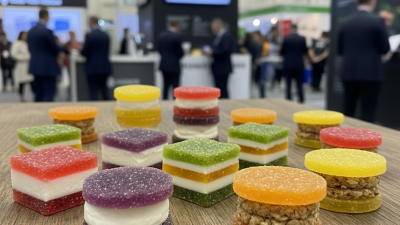
When exploring popular Chinese chocolate products, many are surprised by how they blend tradition with modern tastes. Some brands infuse chocolate with local delicacies, creating intriguing products. For instance, green tea or red bean flavors offer a taste experience that isn't found in typical Western confections. Each product tells a story that connects consumers to Chinese culture.
For buyers, understanding the market can be essential. Look for brands that emphasize quality and authenticity. Consider trying products that use natural ingredients or traditional methods. Experimentation can lead to discovering unique flavors.
Anbu Food provides insights into these exciting developments, showcasing what makes Chinese chocolate stand out in a global market. Exploring with an open mind can uncover delightful surprises on your chocolate journey.
Traditional Chinese Ingredients Used in Chocolate Delicacies
Chocolate has become a beloved treat worldwide, and China offers unique flavors. Traditional Chinese ingredients enhance chocolate delicacies remarkably. One popular combination includes matcha and chocolate. This blend appeals to many consumers seeking new tastes.
According to a recent industry report, 35% of global chocolate buyers have expressed interest in Asian flavors. The use of Sichuan peppercorns in chocolate highlights the adventurous spirit of contemporary chocolatiers. This spice provides a tingling sensation, making it a memorable experience for chocolate lovers.
Incorporating local ingredients into chocolate products can improve their marketability. For example, red bean, often used in desserts, pairs well with dark chocolate. This fusion creates a delightful
Cake Food experience that reflects cultural diversity.
Pay attention to sourcing quality ingredients. Cheaper alternatives may compromise flavor and authenticity. Always ask about ingredient origins when purchasing chocolate products. Understanding the story behind each ingredient can deepen appreciation for these unique treats.
Trends in Chinese Chocolate Exports to Global Markets
As global interest in chocolate expands, Chinese chocolate exports are witnessing a notable shift. Chinese manufacturers are focusing on quality and craftsmanship. They aim to meet international standards. This trend is particularly evident in artisanal chocolates that blend traditional Chinese ingredients with classic chocolate-making techniques. Export markets are increasingly drawn to unique flavors such as matcha and red bean.
The emphasis on unique offerings is critical. Global buyers appreciate products that provide an authentic experience. However, there are challenges. Quality control can vary significantly. Not all manufacturers are equipped for the international market. A systematic evaluation of suppliers is essential before placing bulk orders.
Finding the right partner involves homework. Look for certifications that signify quality and adherence to safety standards. Another strategy is to test products through small orders. This approach can provide valuable insights into your supplier's consistency and reliability. By navigating these complexities, global buyers can tap into the rich potential of Chinese chocolate while ensuring satisfaction.
How to Taste and Pair Chinese Chocolates with Other Flavors
Chinese chocolates offer unique tastes and textures for global buyers. When tasting Chinese chocolates, consider the complex flavor profiles. Many chocolates combine traditional ingredients, like green tea or dried fruits, with rich cocoa. According to industry data, the global chocolate market is expected to reach $161.56 billion by 2024, underscoring the rising popularity of diverse flavors.
Pairing Chinese chocolates with complementary flavors can enhance the tasting experience. For example, pairing dark chocolate with jasmine tea brings out floral notes. Alternatively, match milk chocolate with lychee for a subtle acidity. Understanding these pairings is crucial, as flavor interaction can transform your palate. Recent surveys indicate that up to 72% of consumers prefer exploring novel chocolate pairings.
Exploring flavors requires practice and intuition. Each chocolate piece tells a story, influenced by its origins. However, not every combination is successful. It may take time to discover perfect pairings. Embrace the process of exploration, as it can lead to surprising outcomes. Consumers are often eager to learn, creating a strong market for innovative chocolate experiences.
FAQS
: Chinese chocolate blends traditional ingredients with classic flavors. Ingredients like matcha and Sichuan peppercorns create unique experiences.
Look for quality certifications when sourcing chocolate. Assess the ingredient origins and inquire about their authenticity.
Yes, spicy chocolate snacks and sweet treats with dried fruits are common. Some combinations might be bold for certain palates.
It's important to evaluate the supplier's quality control. Testing products with small orders can reveal reliability.
Ingredients like red bean and matcha enhance flavor profiles. They make the experience richer and culturally diverse.
Quality can vary widely among manufacturers. Not all are ready for international demands, which could affect satisfaction.
The demand for unique flavors has increased. Manufacturers are focusing more on quality to align with international standards.
Variability in quality and supplier reliability can be issues. Researching potential partners thoroughly is crucial.
Absolutely! Exploring various chocolates can lead to delightful discoveries. It’s part of the fun in culinary exploration.
Local ingredients enhance authenticity. They can attract consumers looking for innovative and culturally rich products.
Conclusion
The article "Best Chocolate Foods from China for Global Buyers" delves into the rich tapestry of chocolate production in China, highlighting its historical significance and the evolution of this beloved treat. It explores key regions celebrated for their chocolate manufacturing, showcasing how traditional Chinese ingredients are artfully integrated into chocolate delicacies.
Furthermore, the piece discusses the growing trends in Chinese chocolate exports and the global market's response to these unique offerings. It also provides insights on tasting and pairing Chinese chocolates with various flavors, emphasizing the distinct characteristics that set these chocolate foods apart in a competitive international landscape.