Leave Your Message
0%

Picking out the best Nezha packaging film isn’t just about eye-catching designs or grabbing the lowest quote. You really gotta look under the hood—things like the film’s structure, print quality, sealing ability, and how well it holds up during shipping. When folks talk about “Nezha Packaged Film,” they might be referring to different formats like laminated pouches, rollstock, or protective outer layers. Each of these is suited for different products and filling methods, so it’s all about what fits your needs.

A solid evaluation starts with checking the real-world conditions the film will face. Is it exposed to oil, moisture, heat, or rough handling? It’s smart to ask for detailed material specs, sample rolls, seal-strength data, and migration test results when relevant. Don’t forget to check how well the ink sticks, if the colors stay consistent, and whether the supplier has traceability for their lot numbers. It’s usually easier to tell if a supplier is serious about quality if they have proper procedures documented—not just pretty samples. Keep in mind, packaging should meet specific market requirements, support eco-friendly recycling goals, and be responsible in terms of materials used. Since regulations and standards vary by destination, it’s worth doing a bit of local research before making a decision.

In my experience, sometimes the small things become obvious only after a bit of testing. For example, a film might look perfect on the showroom table but then wrinkle up during high-speed filling. Or a shiny surface might hide poor scuff resistance. These are issues you’ve gotta check through actual trials, not just assume everything’s fine. Running sample productions, doing drop tests, and checking how the film behaves in storage can help catch problems early. No one film is perfect for every single buyer or application. My recommendation might shift once I see more details about your products, equipment, and supply routes. In the end, the best Nezha packaging film is the one that strikes a good balance between looks, protection, ease of use, proven compliance, and reliable supply. Comparing options carefully can save your brand from avoidable headaches and waste. And don’t just be dazzled by impressive claims—stay a bit skeptical. Good packaging choices are all about evidence, not hype."
What Is the Best Nezha Packaging Film for Global Buyers?

Nezha Packaging Film: Definition, Purpose, and Global Market Role

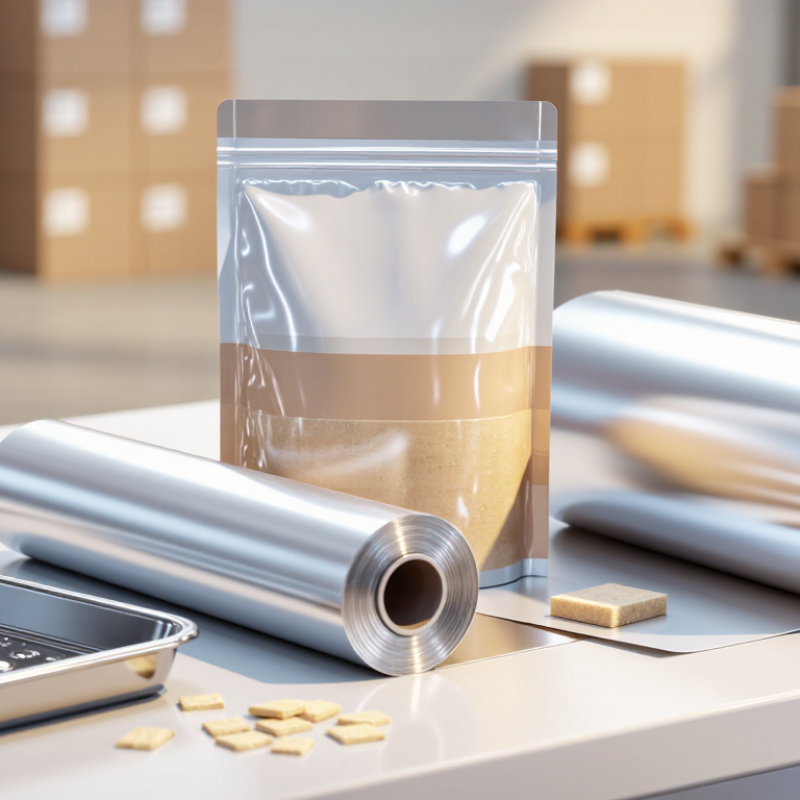
Nezha packaging film refers to the flexible film used around Nezha-themed toys, books, gift sets, and cultural products. It protects printed surfaces from dust, moisture, scuffing, and handling damage. Clear BOPP often gives sharp graphics and good stiffness. PE film adds softness and sealing performance. PET works better when stronger barrier protection is needed. The best choice depends on product weight, shipping distance, sealing equipment, and recycling goals.

Its market role is larger than decoration. Packaging film acts as a lightweight logistics layer. A well-sealed pouch can protect bright red artwork during humid sea transport and repeated warehouse handling. Grand View Research reported that the global flexible packaging market was valued at over USD 250 billion in 2022, showing the sector’s commercial importance. Smithers also identifies flexible packaging as a major growth area, driven by lightweight formats and extended product protection.

Yet “best” is not always the thinnest film. Thinner material may reduce resin use, but it can tear beside sharp toy edges. That creates waste and customer complaints. The OECD reported that packaging represented about 40% of global plastic waste in 2019. This figure should make buyers question unnecessary layers and mixed materials. Recyclable mono-material structures can simplify recovery, although their barrier performance may be limited. Compostable film sounds attractive, but real disposal systems often cannot process it properly. A practical specification should include film thickness, seal strength, migration testing, print durability, and destination-market recycling guidance. Small details matter.

Key Material Types Used in Nezha Packaging Film

When global buyers compare Nezha packaging film, material selection should lead the discussion. BOPP film offers clear printing, good stiffness, and smooth handling on high-speed packing lines. It suits colorful graphics and lightweight packages. PET film provides stronger dimensional stability and better resistance to heat during sealing or lamination. PE film feels softer and more flexible. It can improve puncture resistance, especially when packages face rough transport. CPP film offers reliable heat sealing and a clean appearance. Each material has limits. A very glossy surface may show fingerprints, while a rigid structure can crack after repeated bending.

For premium graphics, suppliers often combine layers instead of relying on one film. A PET or BOPP outer layer can support sharp printing. An inner PE or CPP layer can create the seal. Metallized film may improve light and oxygen protection, but it can hide visual details and complicate recycling decisions. From practical sourcing experience, Package Film should be tested with the actual artwork, filling equipment, and carton conditions. Laboratory data helps, but machine trials reveal problems faster. Sometimes, the “best” film still wrinkles at the sealing jaw.

Tips: Request thickness tolerance, seal-temperature data, ink adhesion results, and migration documentation. Check roll width, core size, and storage conditions. Keep sample rolls for comparison. Test them after heat, humidity, and several days of transport simulation. Do not judge film by appearance alone. A clear sample may perform poorly on a fast line. Also, packaging goals differ by market, so local labeling and material rules need careful review before production.

What Is the Best Nezha Packaging Film for Global Buyers? – Key Material Types Used in Nezha Packaging Film
Film Material Typical Thickness Key Performance Characteristics Recommended Role in Nezha-Themed Packaging Printing and Surface Suitability Recycling Considerations Global Buyer Suitability
BOPP
(Biaxially Oriented Polypropylene)
15–40 μm Good clarity, stiffness, moisture resistance, gloss, and surface appearance. Suitable for high-speed packaging lines. Outer decorative layer, snack-style pouches, gift packs, labels, and display windows. Supports gravure, flexographic, and digital printing after appropriate surface treatment. Metallized grades can improve light and oxygen protection. Polypropylene-based structures may be recyclable where suitable collection and sorting systems exist. Laminated structures can be more difficult to recycle. Suitable for buyers prioritizing bright graphics, shelf appeal, and cost-effective moisture protection.
PET
(Polyester Film)
8–23 μm High tensile strength, excellent dimensional stability, heat resistance, transparency, and good resistance to many chemicals. Printed outer layer for premium boxes, stand-up pouches, collectible packaging, and multilayer laminates. Provides a stable surface for detailed images, fine text, metallic effects, and high-resolution decorative printing. PET is widely recyclable as a material, but PET laminated with PE, CPP, aluminum, or other layers normally requires specialized processing. A strong choice for international shipping because it helps protect printed graphics and package shape.
PE
(Polyethylene Film)
40–150 μm Excellent flexibility, impact resistance, moisture sealing, and low-temperature performance. Commonly used as a sealant layer. Inner sealing layer for pouches, bags, sachets, protective wraps, and flexible merchandise packaging. Usually printed as part of a laminate rather than used as the primary high-definition print surface. Some treated PE grades support direct printing. Mono-material PE packaging can be compatible with PE recycling streams where available. Mixed-material laminates reduce recyclability. Well suited to buyers requiring reliable heat seals, toughness, and broad processing compatibility.
CPP
(Cast Polypropylene)
20–80 μm Good heat-sealing performance, transparency, flexibility, moisture resistance, and resistance to many common food-contact substances. Inner sealant layer, transparent pouches, sachets, and packaging requiring a clear glossy appearance. Often laminated with PET or BOPP to combine print quality with dependable sealing performance. Polypropylene-based mono-material structures may be recyclable in appropriate systems. Laminated combinations require local infrastructure assessment. Suitable for products needing clean seals and attractive transparency at moderate packaging temperatures.
PA
(Nylon Film)
15–30 μm High puncture resistance, abrasion resistance, tensile strength, and toughness. Performs well where mechanical protection is important. Protective layer for sharp-edged accessories, toy components, heavier merchandise, or packages exposed to rough handling. Typically used inside a laminate with a printable outer film and a heat-sealing inner layer. PA laminates are generally not compatible with simple single-polymer recycling streams because they contain multiple materials. Recommended for export shipments requiring stronger resistance to puncture and impact.
EVOH
(Ethylene Vinyl Alcohol)
Usually 3–15 μm as a barrier layer Very high oxygen-barrier performance when protected from moisture by adjacent polymer layers. Helps preserve oxygen-sensitive contents. Specialized barrier layer for food, aroma-sensitive products, and packaging requiring extended protection from oxygen. Normally coextruded or laminated with PE, PP, or other structural films rather than used alone. Recyclability depends on the total multilayer design, EVOH percentage, and the requirements of the destination recycling system. Best for buyers whose products need stronger oxygen protection than standard PE, BOPP, or PET structures provide.
Metallized PET or BOPP 8–25 μm Improved light, oxygen, and moisture-barrier performance compared with many transparent films. Creates a reflective metallic appearance. Premium gift packs, limited-edition presentation packaging, and products sensitive to light exposure. Creates a strong visual effect and supports high-impact printed designs. The metallic layer may reduce transparency. Metallized films and multilayer laminates should be evaluated according to the target market’s recycling rules. Appropriate when visual impact and enhanced barrier performance are more important than transparent product visibility.
Paper–Film Laminate Paper 30–100 g/m² plus film layers Paper provides a natural tactile appearance and printability, while the polymer layer adds sealing, moisture resistance, or toughness. Paper-look pouches, themed gift bags, outer wraps, and premium packaging designed to communicate a natural aesthetic. Paper offers good compatibility with offset, flexographic, and gravure printing, depending on the construction and coating. Paper–plastic laminates are difficult to recycle in standard paper streams unless specifically designed and accepted by local facilities. Suitable for buyers seeking a paper appearance while retaining flexible-packaging functionality.
Cellulose-Based Film 20–60 μm Transparent appearance, printable surface, and potential industrial compostability for selected certified grades and conditions. Decorative wraps, transparent windows, and specialty packaging where a bio-based material story is important. Can support attractive printing when the grade is properly coated or treated. Moisture and sealing performance vary by coating system. Compostability is not universal; it depends on certification, coatings, inks, adhesives, thickness, and the available industrial composting conditions. Useful for buyers with verified sustainability requirements, provided destination-market certifications are confirmed.
Selection guidance: For most Nezha-themed flexible packaging, a printed PET or BOPP outer layer combined with a PE or CPP sealing layer provides a practical balance of appearance, sealing performance, and durability. Final material selection should be verified against the product type, filling temperature, required barrier level, applicable food-contact rules, packaging dimensions, and recycling requirements in the destination market.

How to Compare Barrier, Strength, and Seal Performance

What Is the Best Nezha Packaging Film for Global Buyers?

Global buyers should compare barrier, strength, and seal performance together. A strong film can still fail when moisture enters. Smithers’ 2024 flexible packaging report forecasts annual market growth of roughly 4% through 2028. That growth raises pressure for lighter, more reliable structures. However, market demand does not prove technical suitability.

Start with oxygen transmission rate and water vapor transmission rate. Lower values usually protect sensitive contents better. Ask for test conditions, because 23°C and 50% relative humidity can hide tropical risks. ASTM and ISO test methods improve comparison.

Yet, numbers alone can mislead. A high-barrier coating may crack during bending or transport. Request flex-durability data after repeated folding.

Strength needs practical testing. Compare tensile strength, tear resistance, puncture resistance, and coefficient of friction. A warehouse worker should not split the pouch with one sharp corner. Seal strength matters just as much. ASTM F88 testing can reveal weak seals, but hot-tack performance deserves attention on fast packing lines. Test seals after filling, compression, and temperature cycling.

Printing adds another variable. Package Film Print should resist scuffing and remain readable after rubbing, stacking, and condensation. Ask for ink adhesion results and migration documentation. Supplier certificates help, but independent laboratory testing is safer.

I have seen attractive samples fail after sealing. That is the uncomfortable lesson. Choose measured performance, not showroom appearance.

Choosing Film Thickness for Different Packaging Applications

What Is the Best Nezha Packaging Film for Global Buyers?

Choosing film thickness starts with the product, not the machinery. For a Nezha Cake, a 20–35 micron outer film may suit clean wrapping and moderate handling. It can provide clarity, printability, and lower material use. However, sharp edges or long export routes may need a stronger laminate. A 40–70 micron structure offers better puncture resistance. Heavy bakery packs may require 80–120 microns, especially with vacuum or repeated handling.

Thickness also affects sealing performance. Thin films can reduce material consumption, but uneven sealing may cause leaks around corners. The UNEP Food Waste Index Report 2024 estimates that 1.05 billion tonnes of food were wasted in 2022. Packaging failure is only one factor, yet it shows why protection deserves careful testing. Film selection should include oxygen transmission, moisture transmission, seal strength, and drop resistance. ASTM D882 tensile testing can help compare mechanical performance, but laboratory results do not fully predict warehouse conditions.

Global buyers should request samples in at least two thickness options. Test them after heat exposure, compression, and cold storage. A 30-micron film may perform well locally but weaken during humid shipping. That assumption can be wrong. Material structure matters as much as gauge, because a thinner barrier layer may outperform a thicker single-layer film. Cost calculations should include product loss, rejected packs, and transport damage, not only film price.

Food Safety, Compliance, and International Certification Requirements

What Is the Best Nezha Packaging Film for Global Buyers?

Food safety should guide every Nezha Print packaging film decision. The best film is not simply clear, strong, or attractive. It must suit the food, filling process, storage temperature, and destination market. Ask for a current food-contact Declaration of Compliance. Request migration test reports for the complete structure, including film, ink, adhesive, and coatings. Overall migration testing matters. Specific migration testing may also apply to solvents, metals, or other substances.

Compliance documents should match the actual production material. A report for one thickness cannot automatically support another thickness. Check the test date, laboratory accreditation, sample description, and intended food type. Packaging buyers should also request a Certificate of Analysis for each shipment. Batch codes, production records, and retained samples improve traceability. Small details matter.

International certification requirements vary. Some markets require specific food-contact rules, while others expect quality systems such as ISO 22000 or recognized packaging-audit schemes. Confirm requirements with an importer, local consultant, or qualified regulatory specialist. Do not rely on a sales sheet alone. A certificate can look impressive yet miss the final ink or adhesive. That weakness is easy to overlook. I would also test printed samples after heat sealing, refrigeration, and transport simulation. Real conditions often reveal odor, curling, weak seals, or ink transfer. A careful supplier should welcome these questions, even when the answers require additional testing.

Sustainability and Recyclability Considerations for Global Buyers

For global buyers, the best Nezha packaging film is not simply the thinnest or cheapest option. Sustainability depends on material structure, local recycling access, and verified performance. A practical starting point is a mono-material polyethylene or polypropylene film, because simpler layers are easier to sort and reprocess. However, barrier coatings, inks, adhesives, and metalized layers can change recyclability. The packaging may look recyclable, yet fail in a real sorting facility.

The data is sobering. The OECD Global Plastics Outlook reported 353 million tonnes of plastic waste in 2019, while only 9% was recycled. The report also identified packaging as a major source of short-lived plastic waste. For buyers, this means recyclability claims need evidence. Request third-party test results, migration documentation, recycled-content verification, and clear disposal instructions. Test sealed pouches under shipping heat, cold storage, puncture pressure, and repeated handling. Small failures matter.

Design decisions should match the destination market. Collection systems differ widely across regions, and a recyclable structure in one country may be rejected elsewhere. The Ellen MacArthur Foundation’s Global Commitment reports continue to emphasize eliminating unnecessary complexity and improving reusable or recyclable packaging systems. That sounds straightforward. It is not. A thinner film may reduce material use, but poor sealing can increase product loss and waste. A recycled-content film may lower virgin plastic demand, yet its quality can vary. Buyers should compare life-cycle data, not rely on attractive claims. The strongest specification often includes a simple structure, verified recycled content, responsible ink selection, and documented end-of-life guidance.

What Is the Best Nezha Packaging Film for Global Buyers?

For sustainability-focused packaging, mono-material PE and mono-material PP films are generally easier to design for recycling than mixed-material laminates. The chart compares representative film structures by the number of distinct polymer families and non-polymer barrier layers used. Lower values usually support simpler sorting and recycling, although actual acceptance depends on local collection and recycling infrastructure.

Representative structures: mono-PE and mono-PP use one polymer family; PET/PE uses two polymer families; PET/Al/PE combines two polymer families with an aluminium foil barrier. Exact layer construction and local recyclability can vary.

China-Made Candy Motorcycle Toy Sets: Fun Nezha & Inertia Designs for Kids

China-made candy motorcycle toy sets combine collectible play with a small sweet-treat feature, matching two strong retail interests: interactive toys and novelty gifting. A 2024 global toy-market report estimates that the worldwide toy sector exceeded US$100 billion in annual value, while collectible and low-priced impulse products continue to attract attention in mass retail and convenience channels. This set includes 12 motorcycles per display box, with four different styles for variety. Each motorcycle has a tube designed to hold candy, creating an engaging experience for children while giving retailers an eye-catching countertop item.

The collection offers two play patterns. The Nezha-themed motorcycle moves independently when its head is pressed, providing simple cause-and-effect fun for younger users. The inertia motorcycle can slide forward after being pushed, encouraging repeated play and hands-on exploration. Industry reports on toy purchasing behavior also highlight the importance of affordable, screen-free products that are easy to understand and suitable for gifting. With eight display boxes packed in one carton, the set supports efficient stocking for toy shops, snack retailers, party-supply stores, and seasonal promotions. Bright designs, compact packaging, and multiple styles make the motorcycles suitable for both individual purchases and small collections.

FAQS

Which film material is best for clear, colorful packaging?

BOPP offers clear printing, stiffness, and smooth handling on fast packing lines. It can suit lightweight packs. Fingerprints may show.

When is PET film a practical choice?

PET provides dimensional stability and better heat resistance during sealing or lamination. Test it with your actual sealing settings.

What does PE film contribute to a package?

PE is soft and flexible. It can help resist punctures during rough transport, though the full package structure still matters.

Why combine different film layers?

An outer PET or BOPP layer can support sharp graphics. An inner PE or CPP layer can form the seal. Trade-offs remain.

How should buyers choose film thickness?

For clean wrapping and moderate handling, 20–35 microns may work. A 40–70 micron laminate can offer more puncture resistance. Heavy packs may need 80–120 microns.

Does a thicker film always protect better?

No. Structure matters as much as thickness; a thin barrier layer may outperform a thicker single-layer film. I would not judge by gauge alone.

What tests should packaging samples undergo?

Check seal strength, oxygen and moisture transmission, tensile performance, and drop resistance. Try heat, humidity, compression, and cold storage tests. Machine trials matter.

What should buyers check before production?

Request thickness tolerance, seal-temperature data, ink adhesion results, and migration documentation. Check roll width, core size, and storage conditions. Keep sample rolls.

Conclusion

Selecting the best Nezha Pacakge Film requires a clear understanding of its role in protecting products, extending shelf life, and supporting efficient international distribution. Global buyers should compare material options such as polyethylene, polypropylene, polyester, and multilayer structures according to barrier performance, mechanical strength, transparency, flexibility, and heat-sealing reliability. The right film depends on the packaging application, product sensitivity, transportation conditions, and required shelf life.

Film thickness should be matched to performance needs rather than chosen solely by cost. Food-contact applications also require careful attention to hygiene controls, traceability, migration limits, and internationally recognized compliance documentation. In addition, sustainability is becoming an important purchasing factor. Buyers should evaluate recycled content, material reduction opportunities, recyclability, and compatibility with local waste-management systems. Ultimately, the best Nezha Pacakge Film balances protection, processing efficiency, regulatory readiness, environmental responsibility, and total cost throughout the product’s global supply chain.

Nathaniel

Nathaniel

Nathaniel is a dedicated marketing professional at Longtong Group, where he thrives in the fast-paced environment of OEM production. With a strong expertise in the snack industry, he plays a pivotal role in showcasing the company’s extensive product range, which includes favorite treats such as......
Previous How to Source Cartoon Jelly Wholesale Globally?