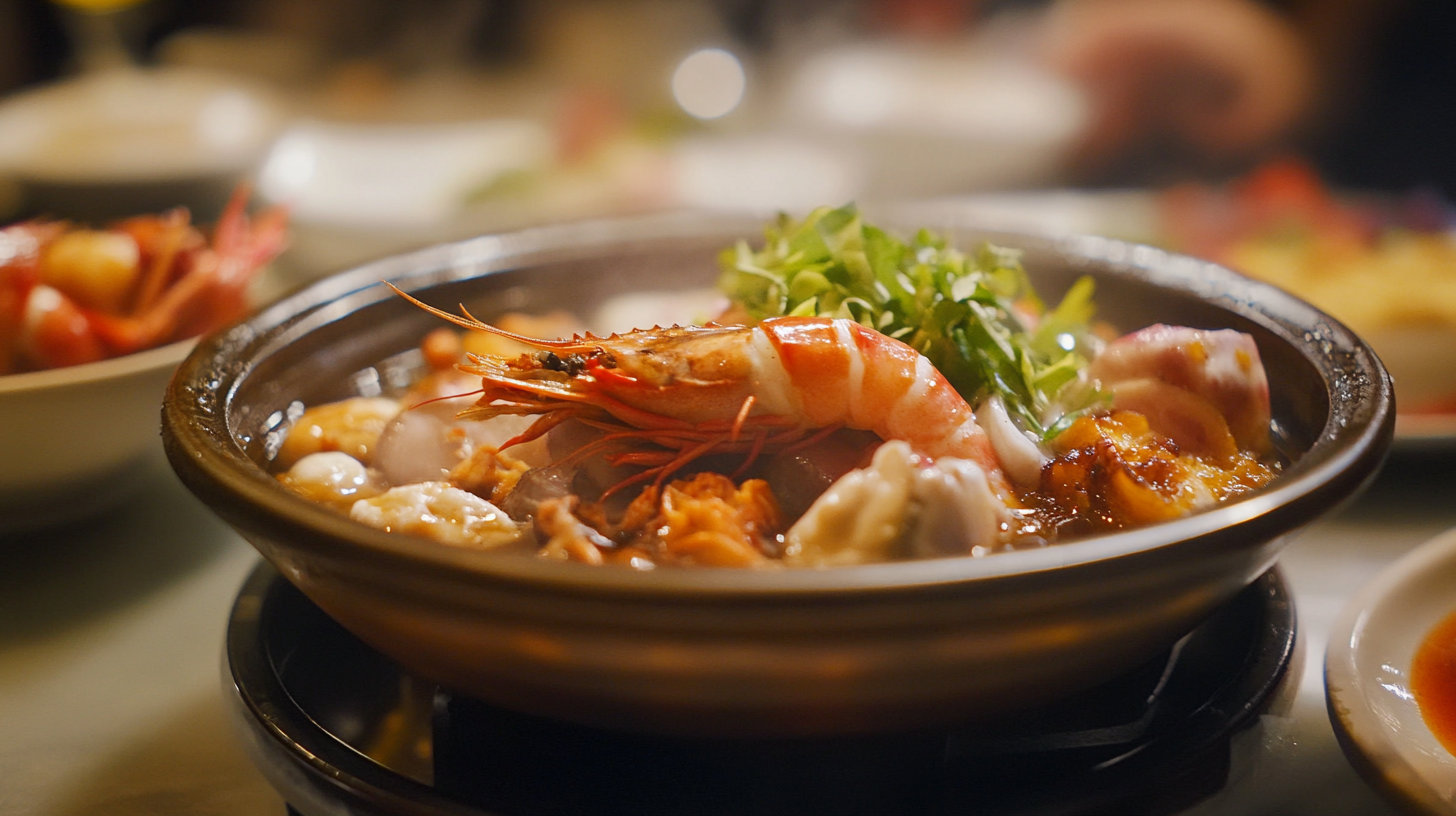
In recent years, China has emerged as a dominant force in the global food export market, particularly in the realm of confectionery and snacks. With a staggering export value reaching over $75 billion in snacks alone, the country's food industry continues to flourish, largely driven by innovative manufacturers like Longtong Group. This leading player in OEM production specializes in a diverse array of beloved treats, including soft candy, bubble gum, lollipops, marshmallows, chocolate, and biscuits. Among these, Anbu Food stands out as a key product line, representing the fusion of tradition and modernity in snack production. As global buyers seek high-quality, unique snacks to satisfy the ever-evolving tastes of consumers, the spotlight shines on China's elite exporters, offering unparalleled products that cater to diverse markets around the world.
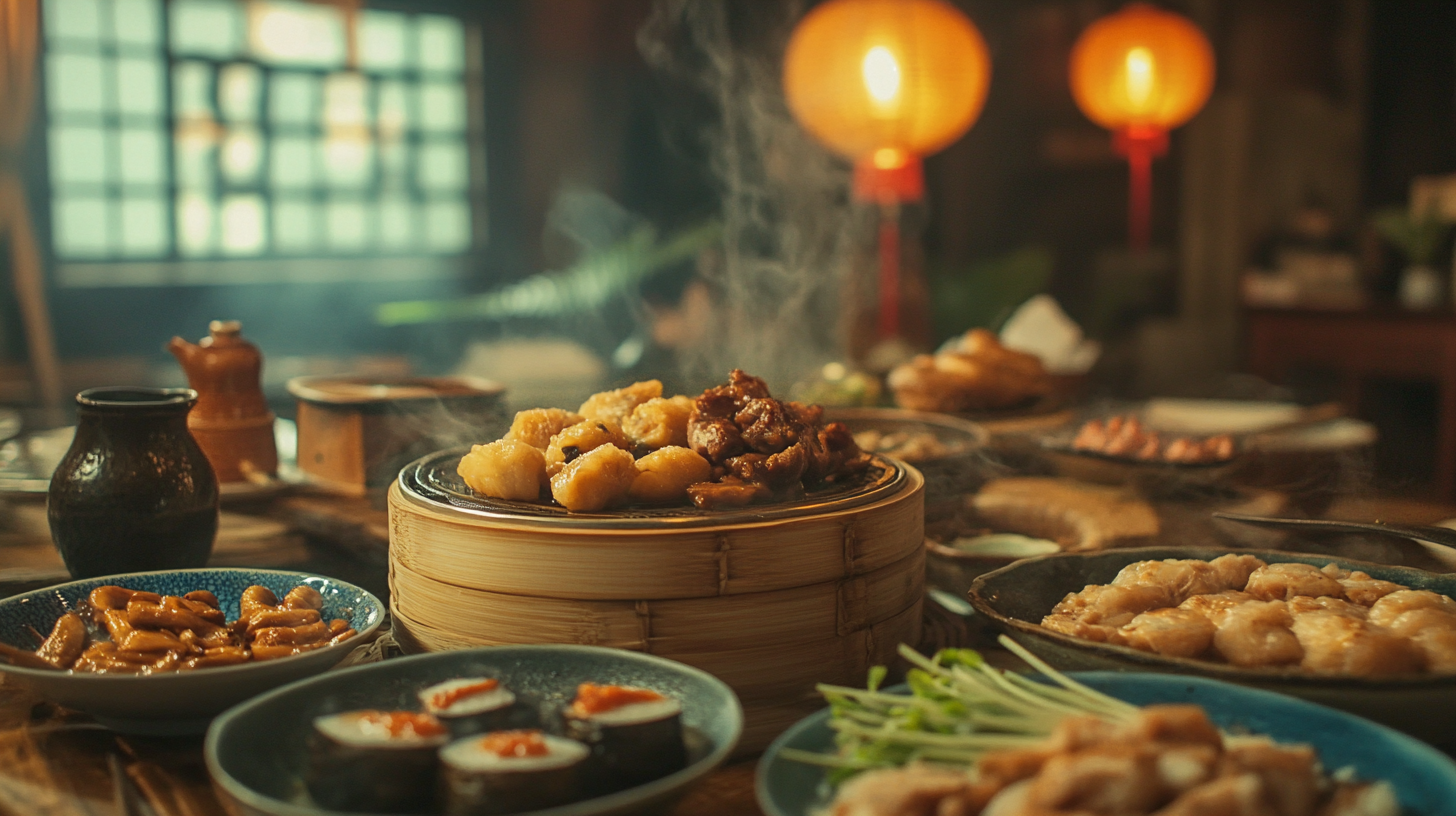
The rise of Anbu food represents a fascinating intersection of tradition and innovation, capturing the attention of global consumers. Originating from China's rich culinary heritage, Anbu food is characterized by its unique flavor profiles, health benefits, and sustainable sourcing practices. This traditional cuisine has evolved to meet the demands of a modern palate, making it increasingly popular among international food enthusiasts. As more people around the world seek authentic and wholesome food options, the global appeal of Anbu food continues to soar.
Anbu food's growing demand is largely attributed to its versatility and ability to cater to diverse dietary preferences. Whether it’s plant-based ingredients or gluten-free options, Anbu food offers something for everyone. Additionally, the rise of social media and food influencers has played a significant role in amplifying its visibility, introducing these delectable dishes to a wider audience. As consumers become more adventurous and health-conscious, Anbu food stands out as an exciting choice, paving the way for its status as a leading export for China in the global market.
In the dynamic landscape of China's Anbu food export market, a few key players are emerging as leaders, setting the standard for quality and innovation. These companies not only adhere to strict food safety regulations but also prioritize sustainability in their production processes. By leveraging advanced technology and traditional techniques, they create premium Anbu food products that cater to diverse global tastes. As buyers look for authenticity and quality, understanding who the top exporters are can help in making informed purchasing decisions.
When navigating this market, potential buyers should consider a few essential tips. Firstly, investigate the certification and quality assurance processes of the exporters. Companies with recognized certifications are more likely to provide safe and high-quality products. Secondly, engaging with exporters who have a proven track record and excellent customer reviews can facilitate smoother transactions and ensure satisfaction. Lastly, staying updated on industry trends and consumer preferences can aid buyers in identifying emerging brands that might offer unique and attractive Anbu food products.
These insights not only empower buyers during their sourcing journey but also highlight the commitment of leading Chinese exporters to excellence in the Anbu food sector.
Quality control is paramount in the food industry, especially for products like Anbu food that are gaining popularity among global buyers. Ensuring safety and authenticity requires stringent measures from production to packaging. Leading exporters in China adhere to established safety standards, conducting regular inspections and audits to maintain high-quality benchmarks. This vigilance not only protects consumers but also enhances the reputation of Chinese Anbu food on the international stage.
When sourcing Anbu food, buyers should prioritize suppliers that demonstrate transparency in their quality control processes. Look for certifications from recognized food safety organizations, which indicate that the producer meets rigorous standards. Additionally, consider suppliers who provide detailed information about their sourcing and manufacturing practices. Engaging in open communication with suppliers can also lead to a better understanding of their commitment to quality.
Another tip for ensuring you’re purchasing authentic Anbu food is to review customer testimonials and case studies. Feedback from other buyers can provide valuable insights into the supplier's reliability and product quality. By choosing wisely, you can indulge in the rich flavors of Anbu food while ensuring that you’re making a safe and authentic choice for your culinary needs.
As global consumer preferences evolve, the Anbu food export market in China is experiencing significant transformations. Consumers are increasingly seeking products that align with their dietary needs and cultural tastes. This shift is driven by a growing awareness of health issues and the demand for authenticity in food sourcing. Anbu food, known for its rich flavors and nutritional benefits, is capturing attention not only within Asia but also among Western markets that value diverse culinary experiences.
Moreover, the rise of e-commerce has opened new avenues for Anbu food exporters, allowing them to reach international buyers directly. This digital transition gives Chinese producers valuable insights into consumer preferences, enabling them to tailor their offerings accordingly. As more consumers prioritize convenience and quality in their food choices, exporters who can innovate and adapt to these trends stand to benefit immensely from the burgeoning global demand for Anbu food products.
In recent years, China has emerged as a crucial player in the global food export market, particularly with its Anbu food products. These items not only cater to domestic appetites but also enhance China's economic footprint on the world stage. According to industry reports, China's food exports have witnessed a significant increase, contributing to a staggering $100 billion in export revenue for 2022, with Anbu food comprising a notable percentage of this figure. As global buyers seek high-quality products, Anbu food's unique flavors and nutritional benefits make it a preferred choice.
The economic impact of Anbu food on China's export growth metrics is undeniable. It has bolstered China’s trade relationships across various regions, pushing bilateral trade significantly higher. For instance, the Asia-Pacific region has seen a 15% increase in demand for Anbu products over the past year, showcasing the versatility and appeal of these traditional foods. As countries navigate the complexities of international trade, the demand for diverse, high-quality food sources like Anbu is expected to grow.
**Tip 1:** To stay competitive, global buyers should focus on sourcing Anbu food products from certified suppliers to ensure quality and authenticity.
**Tip 2:** Understanding regional preferences can help in tailoring marketing strategies for Anbu food, maximizing their appeal in different cultural contexts.
**Tip 3:** Keeping abreast of economic trends, particularly in regions impacted by geopolitical issues, will aid in making informed decisions about importing food products.
| Year | Export Volume (tons) | Export Revenue (Million USD) | Top Export Markets | Economic Impact (GDP Contribution) |
|---|---|---|---|---|
| 2020 | 150,000 | 300 | USA, Japan, Australia | 0.5% |
| 2021 | 175,000 | 350 | Canada, UK, Singapore | 0.6% |
| 2022 | 200,000 | 400 | Germany, France, New Zealand | 0.7% |
| 2023 | 220,000 | 450 | India, Brazil, Middle East | 0.8% |
As China's food industry continues to evolve, the Anbu food sector is poised for significant advancements in the coming years. With a growing global emphasis on natural and innovative taste enhancers, the demand for high-quality Anbu products is likely to surge. According to recent projections, the food flavors market, which is integral to the Anbu industry, is expected to experience robust growth driven by consumers’ preferences for healthier and more diverse culinary experiences. This shift aligns perfectly with the rising value placed on authentic flavors, which enhances the attractiveness of Anbu food to international buyers.
Moreover, challenges such as climate change and the need for sustainable agriculture are shaping the future trajectory of China's food production strategies. Innovations stemming from China's 5-Year Agri-Food Tech Plan emphasize the prevention and control of agricultural risks, which is crucial for maintaining the supply chain of Anbu food products. With these developments, China is not just securing its domestic needs but also positioning itself as a leading exporter of Anbu food, catering to the evolving tastes and preferences of a global consumer market eager for quality and authenticity. As the landscape transforms, stakeholders in the Anbu sector are encouraged to embrace these changes for a more sustainable and profitable future.
nbu food products?
Quality control is crucial to ensure safety and authenticity, protect consumers, and enhance the reputation of Chinese Anbu food on the international stage.
Buyers can prioritize suppliers that demonstrate transparency in their quality control processes, possess recognized food safety certifications, provide detailed sourcing and manufacturing information, and have positive customer testimonials.
Anbu food has played a significant role in bolstering China's export revenue, contributing to an increase of $100 billion in food exports for 2022 and enhancing trade relationships, particularly in the Asia-Pacific region.
By understanding regional preferences, suppliers can tailor their marketing strategies for Anbu food in ways that maximize appeal across different cultural contexts.
Buyers should seek suppliers with recognized certifications from reputable food safety organizations to ensure that the products meet rigorous quality and safety standards.
Advanced technology, when combined with traditional techniques, helps leading exporters create premium Anbu food products that meet global tastes for quality and authenticity.
Keeping abreast of economic trends influenced by geopolitical issues can help buyers make informed decisions regarding the importation of Anbu food products.
Open communication can lead to a better understanding of the suppliers’ commitment to quality and transparency, which is essential for ensuring safe and authentic Anbu food purchases.