When you're looking into the Chinese market, it's really important to get a good understanding of the top wholesale OEM and ODM wafer biscuit manufacturers out there. You know, the demand for wafer biscuits is booming worldwide, and that makes businesses eager to find reliable suppliers they can count on. Big names like Frito-Lay and Mondelez have really set the bar high when it comes to quality and variety, and they tend to influence new flavor trends and packaging styles.
Now, navigating the world of wafer biscuit production? It’s a bit tricky. Every manufacturer has their strengths, but not all of them stick to the highest standards—some that focus on keeping costs low might cut corners on quality. As someone looking to buy, it’s pretty crucial to know what actually matters. Finding a reputable supplier can seriously make or break your brand’s success.
And don’t forget, it’s not just about the product itself—trustworthiness is key, too. Nowadays, transparency about sourcing ingredients and practicing ethical manufacturing really matter to consumers. Sure, a lot of manufacturers make great products, but the real win is partnering with someone who shares your values. Taking the time to do your homework on this stuff is super worth it because it helps you pick a wafer biscuit supplier who lives up to your standards—not just in quality, but ethically, too.
Overview of ODM Wafer Biscuit Manufacturing in China
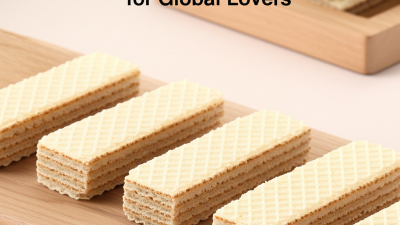
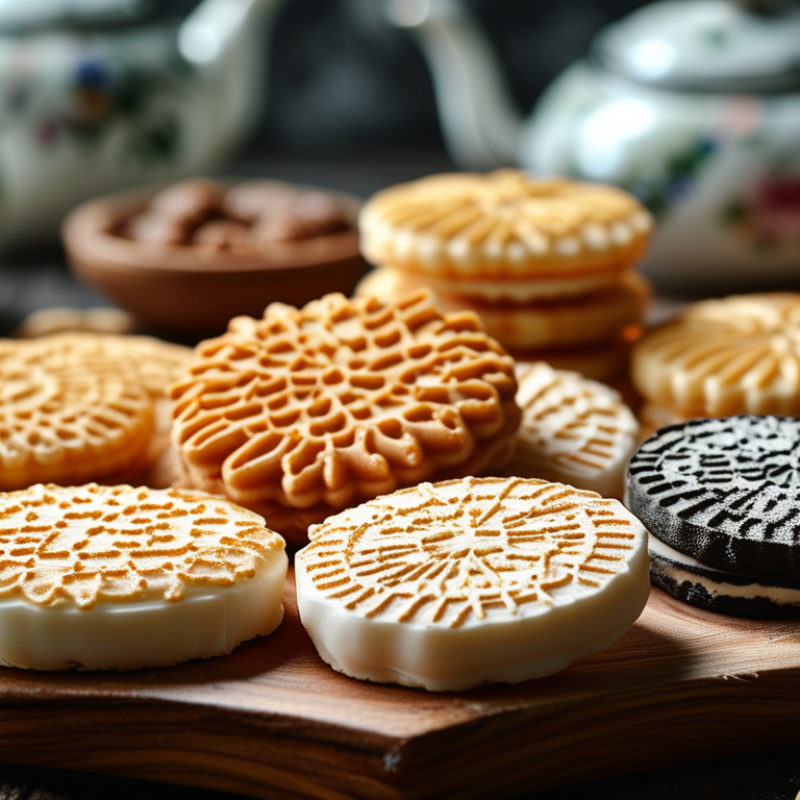
ODM wafer biscuit manufacturing in China is a booming industry driven by demand for quality and efficiency. Chinese manufacturers offer advanced technology and significant expertise in producing various wafer biscuits. These products cater to diverse taste preferences and dietary needs, from classic flavors to innovative combinations. Manufacturers focus on high standards, ensuring each biscuit meets consumer expectations.
Tips: When exploring ODM manufacturers, assess their certifications. Quality certifications indicate compliance with industry standards. This can reflect the reliability of the manufacturer.
Choosing a supplier also involves understanding their production capacity. Some factories may struggle under high volume orders. Conducting site visits can reveal a lot about their actual capabilities. Consider how they handle research and development, too. Innovation plays a crucial role in staying competitive.
It’s worth noting that not all manufacturers can provide the same level of service. Some may promise more than they can deliver. Investigating customer feedback can help identify reliable partners. Companies that produce Nezha Wafer Biscuit may have established a reputation for quality, making them a case worth studying.
Key Players: Leading ODM Wafer Biscuit Manufacturers in China
In the competitive world of confectionery, China stands out as a significant player in the ODM wafer biscuit market. Many manufacturers focus on creating various styles of wafer biscuits. These products cater to diverse consumer tastes and preferences. Plus, the rise of health-conscious options has prompted brands to innovate.
Leading manufacturers utilize state-of-the-art technology and sustainable practices. They often embrace local ingredients to enhance flavor. For instance, the use of premium chocolate in
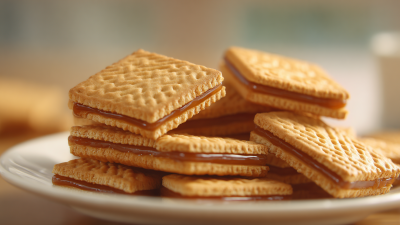
Chocolate Wafer Cookies can elevate the taste experience. However, not all companies maintain the same quality. Some may compromise on ingredients to cut costs. This inconsistency makes it essential for buyers to conduct thorough research.
Additionally, customer feedback plays a critical role in product improvement. Successful manufacturers often adapt based on consumer reviews. They value transparency and aim for high standards. While many companies excel, some still grapple with production challenges. Balancing quality and price can be tricky. Buyers should focus on manufacturers with a solid track record and a commitment to excellence.
Production Processes in Wafer Biscuit Manufacturing
The production processes in wafer biscuit manufacturing involve several critical steps. Initially, raw materials like flour, sugar, and vegetable oils are precisely selected. According to industry reports, approximately 30% of the biscuit's quality relies on these ingredients. Deviating from the optimal selection can lead to unsatisfactory taste and texture.
Mixing follows the ingredient selection phase. This step requires a careful balance of components to ensure consistency. A common practice is to maintain a moisture level between 8% and 10% during mixing. This range is crucial; exceeding it could compromise the final product's crispness.
Once mixed, the batter undergoes a baking process at temperatures around 200°C. This high heat helps develop the characteristic crunch, essential for appealing wafer biscuits. Reports indicate that 15% of production failures stem from inadequate baking conditions. Over or under-baking can lead to products that are either chewy or too crispy.
Finally, cooling is necessary to stabilize the biscuits before packaging. Interestingly, many manufacturers overlook this step, leading to potential quality issues. A well-executed cooling phase can enhance shelf life and maintain freshness. Key metrics show that poorly cooled products have a 20% higher chance of staling quickly. Thus, attention to this detail is vital for maintaining product quality.
Quality Control Standards for ODM Wafer Biscuits
When considering ODM wafer biscuits, quality control standards are paramount. Manufacturers must establish rigorous processes to ensure products meet safety and quality expectations. This involves regular audits and testing of raw materials. Quality checks are often conducted throughout production to catch issues early.
The selection of ingredients plays a crucial role. High-quality flour and fresh fats yield better texture and flavor. However, sourcing these materials can be challenging. Variations in supply can impact consistency. Manufacturers have to adapt, which introduces a margin of unpredictability.
Packaging and storage also affect product quality. Proper containment help prevent spoilage and maintain freshness. Yet, not all manufacturers prioritize this aspect. Some may cut costs, risking product integrity. Transparency in these practices fosters trust with clients, leading to longer-lasting partnerships.
Market Trends and Consumer Preferences in China
In recent years, the wafer biscuit market in China has experienced significant growth. Consumers are increasingly favoring lighter snacks that are convenient and have a satisfying texture. This trend reflects a broader shift towards healthier eating habits. As more people look for on-the-go options, wafer biscuits are gaining popularity for their portability and appeal.
To navigate the changing consumer landscape, manufacturers should focus on innovation. Flavors and ingredients play a crucial role in attracting buyers. Unique combinations—such as matcha or fruit-infused fillings—can captivate the market’s attention. However, balancing taste with health is key. Consumers are wary of overly processed snacks.
**Tips:** Think about reducing sugar content while maintaining flavor. Engage with consumers through surveys. Understand their preferences directly to inform product development. Staying attuned to evolving tastes can enhance brand loyalty. A timely response to market changes can drive success.
Market Trends in China's Wholesale ODM Wafer Biscuit Industry
This bar chart illustrates the growth of the wholesale ODM wafer biscuit market in China from 2019 to 2023. As demonstrated, the market size has seen a consistent upward trend, indicating increasing consumer demand and market potential.
Export Opportunities and Challenges for Biscuit Manufacturers
The global demand for biscuits, especially wafer biscuits, has opened new export opportunities for manufacturers in China. As a leading player in the market, understanding the dynamics is crucial. Exporting biscuits can be rewarding, yet it comes with its share of challenges. Adapting products to meet international tastes and preferences is vital. Packaging must also reflect the gift aspect, making biscuits appealing as a "Biscuit Gift."
Many manufacturers face hurdles such as varying regulations and quality standards in different countries. Establishing reliable supply chains can be complex. Inadequate market research can lead to misalignments with consumer expectations. Manufacturers should prioritize transparency and consistency throughout their production processes. Building trust with international partners is essential for long-term success.
Quality control is another area where manufacturers must improve. Small deviations can impact export potential. Focus on premium ingredients and innovative flavors can enhance product offerings. Additionally, investing in marketing strategies that highlight the unique qualities of products is beneficial. Understanding cultural nuances can help in positioning biscuits as a desirable "Biscuit Gift." Exploring local customs can also open new markets.
Sustainability Practices in the Wafer Biscuit Industry
The wafer biscuit industry is increasingly recognizing the importance of sustainability. Manufacturers are adopting eco-friendly practices that reduce environmental impact. For instance, sourcing raw materials responsibly is key in this transition. The goal is to minimize waste and ensure sustainable production from the ground up.
Many ODM wafer biscuit manufacturers are exploring renewable energy sources. This shift not only lowers carbon emissions but also cuts operational costs. However, challenges still exist. Some manufacturers struggle to implement these changes due to high initial costs and limited access to sustainable materials. The path toward sustainability is not straightforward and requires commitment at every level.
Nezha Biscuit exemplifies an effort to balance tradition and innovation in this industry. Although they work towards eco-friendliness, achieving complete sustainability remains a challenge. Continuous improvement is essential for manufacturers aiming to meet consumer expectations while protecting the planet. They must reflect on their practices and seek solutions that align with sustainable goals.
Delightful Indulgence: Exploring Irresistible Chocolate & Biscuit Crunch Within a Decadent Ice Cream Shell
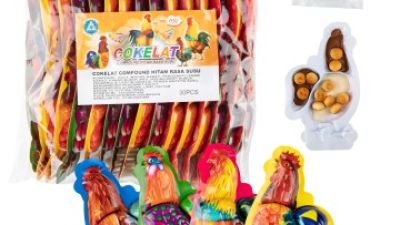
Indulge your senses with a delightful exploration of a chocolate product that brings a blissful experience to every bite. The innovative design features a charming ice cream-shaped shell that’s elegantly crafted from luscious dark and white chocolate sauces. This exquisite outer layer encases a delightful surprise within, combining the rich flavors of chocolate with the irresistible crunch of crispy biscuit crumbs. It's a perfect harmony of texture and taste that transforms each serving into a moment of pure indulgence.
The attention to detail in the packaging elevates this treat into a high-end gift, making it an ideal choice for celebrations or gatherings. Wrapped in a luxurious film, the ice cream shell is accompanied by a small plastic spoon, enhancing convenience whether you're enjoying it at home or sharing it with friends. Housed in a transparent plastic bucket, this product not only promises generous portions but also impresses aesthetically, ensuring that it stands out on any dessert table. Perfect for festive occasions, this delightful indulgence invites everyone to savor the sweet moments together while exploring the harmonious blend of flavors encapsulated within.
FAQS
: Key factors include raw materials, mixing consistency, and baking conditions. Each plays a crucial role in taste.
Customer feedback is vital. Manufacturers use it to improve products and maintain transparency, but not all act on it effectively.
Ingredient quality influences about 30% of the final biscuit's quality. Poor choices lead to disappointing taste and texture.
Wafer biscuits typically bake at around 200°C. Accurate temperature control is essential for achieving the desired crunch.
Cooling stabilizes the biscuits and enhances shelf life. Skipping this step risks quality, making it a crucial process.
Yes, some manufacturers cut costs on packaging. This can lead to spoilage and reduced freshness, affecting product integrity.
Variations in raw material supply can create unpredictability. Maintaining quality standards becomes challenging in such cases.
Inadequate baking conditions account for about 15% of failures. Over or under-baking results in undesirable textures.
Advanced technology helps improve quality and efficiency. However, it’s not the only factor influencing the final product.
A manufacturer’s history indicates reliability. Buyers should prioritize those with proven commitment to quality.
Conclusion
The article "China Top Wholesale ODM Wafer Biscuit Manufacturers What to Know?" provides a comprehensive overview of the wafer biscuit manufacturing sector in China. It highlights the key players in the industry, detailing their production processes and the quality control standards that ensure high product integrity. The piece also explores current market trends and consumer preferences, indicating a growing demand for innovative wafer biscuit products.
Additionally, it discusses the export opportunities available to manufacturers while addressing the challenges they might face in global markets. Sustainability practices within the wafer biscuit industry are emphasized, showcasing how manufacturers are adapting to meet environmental standards. Overall, the article serves as a valuable resource for understanding the dynamics of the ODM wafer biscuit market in China.