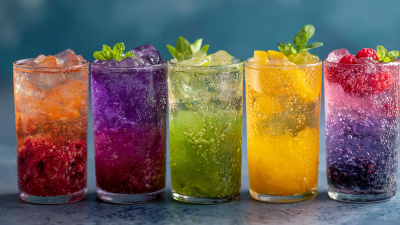
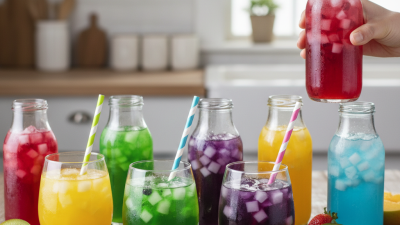
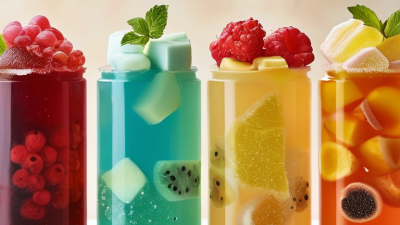
Stepping into the colorful world of Jelly Drinks is pretty exciting, but on the flip side, making smart choices is kinda crucial. I mean, David Kim—who's pretty well-known in the industry and the guy behind Jelly Beverage Co.—once said, "The right Jelly Drink can really boost your business and catch your customers' attention." That just goes to show how important it is to pick a Jelly Drink that really fits your brand and what your target folks are into.
Getting a handle on the different options out there is key. The Jelly Drink scene is blowing up, with all sorts of new flavors and healthier choices popping up. Whether you're into the classics or looking for something totally new and different, it can feel a tad overwhelming. But here’s the thing—think about your customers. What flavors do they go crazy for? Are you trying to tap into the health movement?
And take your time with it. Don’t just pick something because it’s trending or popular at the moment. Instead, try out some samples with folks who might end up buying your drinks. Get their honest feedback, watch how they react—that kind of back-and-forth can really help you nail down what works best. In the end, experimenting and listening to your customers will help you find that perfect Jelly Drink that hits the spot for both your biz and everyone who walks through the door.
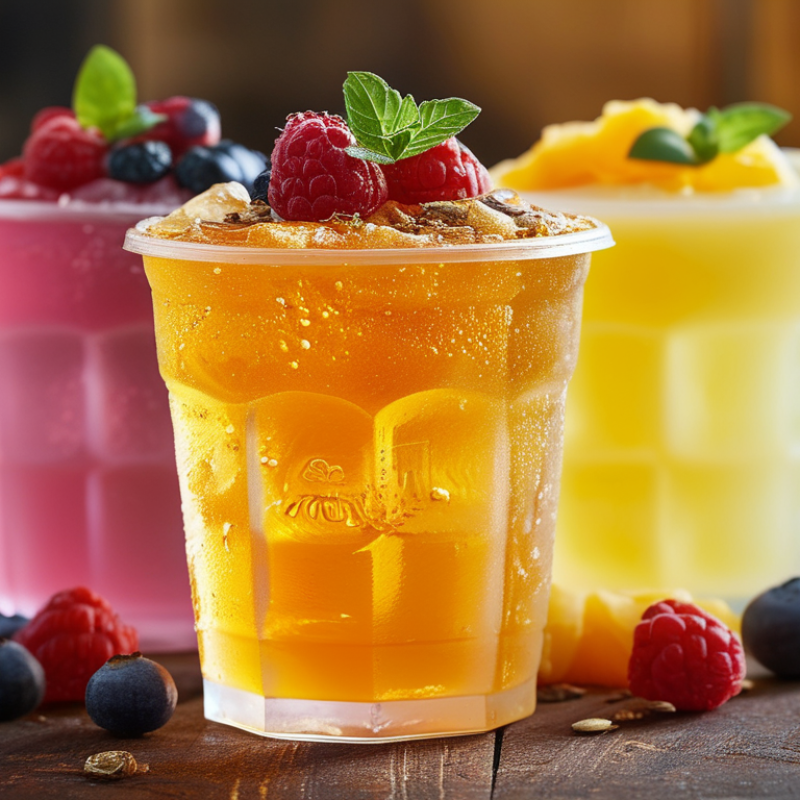
Understanding the Different Types of Jelly Drinks Available in the Market
In today's beverage market, jelly drinks are gaining traction. There are various types available. Each type serves different business needs. Understanding these types is crucial for success.
Fruit jelly drinks are popular. They blend fruit flavors with a jelly-like texture. According to industry reports, the global jelly drink market is projected to reach $1 billion by 2025. They attract health-conscious consumers. However, they may not appeal to everyone. Some find the texture unfamiliar.
Another type includes jelly cocktails. These drinks cater to adults and offer a unique twist. Data suggests that demand for such innovative beverages is increasing, especially in urban areas. Yet, they require careful marketing. Not all customers are open to trying jelly cocktails, leading to a potential risk. Furthermore, the balance of flavors is essential. Too much sweetness can deter consumers.
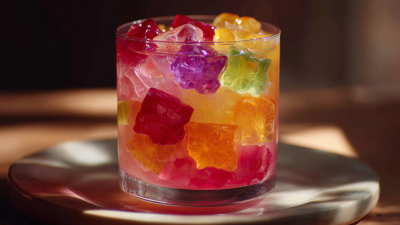
Jelly Candy can also be an appealing addition, but it must complement the drink. Getting it right takes experience and knowledge of consumer preferences.
Assessing Your Target Audience and Their Preferences
Understanding your target audience is key when choosing a jelly drink for your business. Start by identifying their preferences and lifestyle choices. Are they health-conscious? Do they prefer natural ingredients? Insights like these can guide your selection. Conduct surveys or informal focus groups. This can reveal their taste preferences and desired features.
Experiment with flavors that resonate with your audience. Some might lean toward fruity options, while others prefer unique blends. Pay attention to trends in the beverage industry. This will give you an idea of what attracts attention.
Consider the age group you are targeting. Younger audiences may appreciate trendy, colorful packaging, while older consumers might prefer classic tastes.
Evaluate feedback continuously. This is crucial for staying relevant. A drink might initially receive praise, but preferences can shift. Document and analyze this feedback to make informed adjustments. Remember, what works today may not work tomorrow. It's about adapting to your audience's evolving likes and dislikes. This can be challenging but is essential for long-term success.
Evaluating the Nutritional Value and Ingredients of Jelly Drinks
When evaluating jelly drinks for your business, focus on the nutritional value and ingredients. Ingredients can greatly affect consumer choice. Look for natural fruit flavors and minimal artificial additives. High sugar content can deter health-conscious customers. Consider options with added vitamins or plant extracts for a unique selling point.
Tips: Always read the ingredient labels. Seek out transparency from suppliers about sourcing and manufacturing. This builds trust with customers.
Nutritional information is key. Analyze calorie counts and serving sizes. Lower calorie options may appeal to fitness enthusiasts. However, taste should not be sacrificed for health. Balance health benefits with enjoyable flavors.
Tips: Keep a variety of options to cater to diverse preferences. Regularly review consumer feedback to adjust your offerings. Adapt based on trends and customer demands to stay competitive.
Analyzing Packaging Options for Jelly Drinks and Their Impact
When choosing packaging for jelly drinks, consider how it affects your brand image.
Nezha Jelly, for instance, showcases vibrant, playful colors that attract attention.
The design can tell a story about flavor and quality.
Unique shapes can make your product stand out on shelves. Simplicity often works best, but don't hesitate to experiment.
Sustainability is another important factor. Eco-friendly packaging can resonate with eco-conscious consumers. Customers appreciate brands that prioritize the environment.
Using biodegradable or recyclable materials can enhance your brand's reputation.
However, the challenge lies in balancing cost with quality. Not all sustainable options are affordable, and making the wrong choice can hurt profits.
Lastly, think about functionality. Easy-to-open containers can enhance user experience.
Drawbacks can arise if packaging fails to maintain freshness. Consideration for transportation and shelf life is crucial.
Your packaging should protect the product while appealing visually. Reflect on these aspects carefully to ensure your jelly drink aligns with your business goals.
Cost Considerations: Budgeting for Jelly Drink Selection
When budgeting for a jelly drink selection, consider the costs associated with ingredients and packaging. Jelly Fruit often requires fresh produce, which can be more expensive than artificial flavors. Research local suppliers for the best prices. Bulk purchasing might be an option, but ensure quality is not compromised.
It's crucial to analyze the market demand for Jelly Fruit drinks. Pricing should reflect the target audience's willingness to pay. High-quality ingredients may boost costs but can attract more customers. Evaluate your potential return on investment. If your sales target isn’t met, reflect on your choices. Was quality sacrificed for cost?
Another aspect to consider is the shelf life of ingredients. Shorter shelf lives can mean higher waste. If you overestimate demand, you could lose money on unsold products. Conversely, undervaluing your Jelly Fruit could limit profit margins. Identifying local trends could guide your investment and minimize risks.
Jelly Drink Cost Comparison by Type
Sourcing and Supply Chain Management for Jelly Drinks
Sourcing and supply chain management for jelly drinks are critical to ensuring product quality and availability. The global jelly drink market was valued at approximately $1.2 billion in 2022 and is expected to grow significantly. This growth calls for meticulous attention to sourcing strategies and supplier relationships. Quality ingredients drive consumer preferences, so sourcing from reputable suppliers is essential.
Proper supply chain management helps control costs. Companies often face challenges in balancing quality with cost-effectiveness. Inconsistent supply can arise from unforeseen events like natural disasters or market fluctuations. It’s vital to maintain strong relationships with multiple suppliers to mitigate these risks. Shifting trends in consumers' preferences also require agility in sourcing.
Tips:
- Assess your suppliers regularly to ensure quality standards.
- Diversify your supply base to avoid dependency on a single source.
- Leverage technology for inventory management to streamline your supply chain.
Understanding local and international regulations is essential. Compliance ensures safety while opening doors to new markets. An industry report pointed out that
30% of businesses faced disruptions due to regulatory compliance failures. Reflecting on sourcing practices will improve reliability and adaptability.
Continuous evaluation of trends and supplier performance can enhance your business's resilience in this competitive market.
Reading Consumer Reviews and Market Trends for Informed Choices
Choosing the right jelly drink for your business needs requires careful consideration of consumer reviews and market trends. Recent industry reports indicate that 70% of consumers base their purchasing decisions on reviews. Analyzing these reviews can reveal preferences and help identify potential gaps in the market.
Tips: Look for consistency in consumer feedback. A product with consistently high ratings likely meets customer expectations.
Market experts suggest that trends show a growing interest in jelly drinks with natural ingredients. A survey found that 65% of consumers are willing to pay more for healthier options, including jelly drinks infused with fruits. This shift encourages businesses to adapt their offerings.
Tips: Monitor competitors closely. Their successes and failures can provide valuable insights into market demands.
Pay attention to demographics, as younger consumers prefer vibrant flavors and unique textures, like those found in Jelly Beans. Yet, it’s essential to remain flexible, as tastes can shift quickly in this dynamic market. Regularly reviewing consumer feedback can help refine your product line.
How to Choose the Best Jelly Drink for Your Business Needs?
| Flavor |
Sugar Content (g) |
Price per Unit ($) |
Consumer Rating (/5) |
Market Trend (% Growth) |
| Mango |
12 |
1.50 |
4.5 |
15% |
| Peach |
10 |
1.30 |
4.2 |
12% |
| Lychee |
8 |
1.70 |
4.8 |
20% |
| Green Apple |
15 |
1.40 |
4.3 |
10% |
| Strawberry |
11 |
1.60 |
4.6 |
18% |
Add a Splash of Fun to Your Style: Exploring Trendy Tropical Animal Jelly Bags
Add a Splash of Fun to Your Style: Exploring Trendy Tropical Animal Jelly Bags
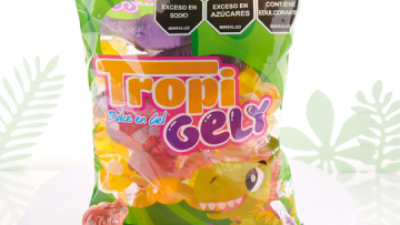
As summer approaches, the market for novelty candies and treats experiences a significant uptick, with consumers seeking vibrant and playful options to indulge in. One standout trend in this vibrant landscape is the rise of tropical animal jelly bags, packaged beautifully with transparent food-safe materials. These jellies come in eye-catching designs featuring beloved animals like elephants, dinosaurs, lions, rhinos, and ducks, instantly transporting consumers to a whimsical tropical paradise. According to industry reports, the novelty candy segment has seen a growth rate of over 5% annually, showcasing a strong consumer demand for products that fuse fun with flavor, especially during warmer months.
With an appealing color palette that includes cheerful yellows, bold blues, radiant reds, lovely pinks, and vibrant oranges, these animal-shaped jellies not only delight the taste buds but also cater to aesthetic sensibilities. Each bag contains approximately 20 jellies, with an average weight of 35 grams per jelly, making them a perfect choice for both snacking and gifting. The meticulous design of the packaging, themed around tropical wildlife, evokes the essence of summer fun and is particularly appealing to younger demographics—a key consumer group that drives trends in the confectionery market. Reports indicate that products that blend visual appeal with tasty experiences are favored, underscoring the importance of innovative product design in the realm of candies.
As the popularity of these jelly bags continues to surge, they stand out as an embodiment of summer joy—fun, flavorful, and visually captivating. This trend represents not just a snack choice, but a way for consumers to express their playful side while enjoying a sweet treat. With a focus on creativity and quality, tropical animal jelly bags are set to become a staple in households, parties, and events throughout the sunny months.
FAQS
: Sourcing ensures quality ingredients, impacting consumer preferences and product availability.
Balancing quality and cost is challenging. Unforeseen events can disrupt the supply chain.
Building strong relationships with multiple suppliers can help reduce dependency on one source.
Regular assessments ensure that suppliers meet quality standards consistently.
Leveraging technology can streamline inventory management and improve operational efficiency.
Consumer reviews significantly influence purchasing decisions, revealing preferences and market gaps.
There’s a growing interest in natural ingredients, with many willing to pay more for healthier options.
Companies need to remain flexible and adapt their offerings based on recent feedback and trends.
Younger consumers are drawn to vibrant flavors and unique textures.
Analyzing competitors can provide valuable insights into market demands and potential opportunities.
Conclusion
When selecting the best Jelly Drink for your business needs, it is essential to first understand the various types available in the market. This involves assessing your target audience's preferences, as different demographics may favor specific flavors and textures. Evaluating the nutritional value and ingredients is also crucial, as consumers increasingly prioritize health-conscious choices.
Additionally, packaging options can significantly influence consumer appeal and brand perception, so it's important to analyze how these choices may affect your marketability. Cost considerations play a fundamental role in your selection process, ensuring that budgeting aligns with overall business goals. Effective sourcing and supply chain management are vital to maintain product quality and availability. Finally, staying informed through consumer reviews and market trends can help guide your decision-making process, ensuring that the Jelly Drink you choose meets both customer expectations and business objectives.