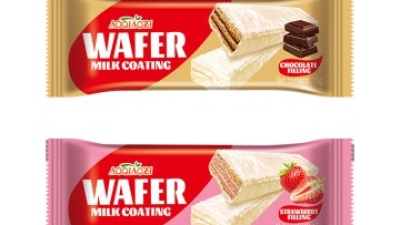
You know, the global snack food scene is really booming right now, especially when it comes to wafer biscuits. It’s pretty exciting — recent reports suggest this segment could hit over over $30 billion by 2025. Why? Well, people are always looking for tasty, convenient snacks they can enjoy on the go. Longtong Group has actually become a pretty big name in this space. They’re known for their OEM production, making all sorts of snacks, from wafer biscuits to candies and chocolates, really catering to what folks around the world want. They’ve got a knack for creating that perfect crunch and constantly come up with new flavors and designs — it’s pretty impressive.
Delving into the history and science behind wafer biscuits is pretty fascinating, too. It not only helps explain why we love them so much, but also shows how companies like Longtong can really take advantage of this growing market and stand out in a crowded snack world.
The Origins of Wafer Biscuits: A Sweet Culinary Adventure
Wafer biscuits have a pretty fascinating background that blends creative cooking with some pretty clever technology. Legend has it they started way back in ancient Greece, but over the centuries, they really evolved—especially in Europe, where they became all the rage in the 19th century. France and Italy, in particular, played a big role in making wafers a household favorite. Today, the global market for wafer biscuits is expected to hit over $44 billion by 2025—can you believe that? A lot of this growth comes down to innovations in how they're made, which has allowed producers to get more creative with flavors and make them more accessible to everyone. You’ve got to admit, that’s pretty impressive.
Unlocking the Crunch: The Surprising History and Science Behind Wafer Biscuits
| Aspect |
Details |
| Origin |
The concept of wafers dates back to ancient Greece, where they were first made using honey and flour. |
| Evolution |
Wafer biscuits evolved during the Middle Ages in Europe, particularly in France and Italy. |
| Ingredients |
Traditional wafers are made from flour, water, and sometimes eggs, creating a thin, crispy texture. |
| Preparation |
Typically baked in a waffle iron, the layers are then combined with sweet fillings such as chocolate or cream. |
| Cultural Significance |
Wafers have become a staple in various cultures, celebrated in desserts and snacks around the world. |
| Health Considerations |
While generally light, it's important to monitor sugar content in commercial wafer products. |
| Varieties |
There are many varieties, including chocolate-covered, filled with fruit, or even savory versions. |
The Science of Crunch: Texture and Structure of Wafer Biscuits
Wafer biscuits are honestly one of those treats that everyone seems to love—partly because of how wonderfully light and crispy they are. It's kind of fascinating how their unique structure comes together; it all boils down to the right mix of ingredients and baking techniques. Usually, they’re made from a blend of flour, sugar, and fat, and getting that emulsion just right really makes all the difference in achieving that perfect, satisfying bite. Funny enough, the latest Snack Foods Trends report predicts that global market for these crispy goodies will hit around $10.9 billion by 2025—that just shows how much people can't get enough of them these days.
The secret to that unbeatable crunch? Well, a lot of it depends on how they’re baked. When you bake them at high temperatures, something called the Maillard reaction kicks in—that’s a fancy way of saying amino acids and sugars react and give the biscuits that lovely flavor and golden color we all love. Plus, moisture levels matter a lot; keeping the moisture around 2-3% is key not only for that crispy feel but also to help keep them fresh longer. I read in the International Journal of Food Science that finding this balance—between ingredients and baking—is what truly makes wafer biscuits so satisfyingly crunchy. Honestly, it’s a bit of a science experiment but totally worth it to get that perfect bite every time.
Variations Across Cultures: How Different Regions Enjoy Wafer Treats
Wafer biscuits are enjoyed all around the world, but did you know they actually have some pretty fascinating variations that reflect the unique culinary traditions of different cultures? Take Europe, for example—Italy’s “crostini” are these super thin, crispy wafers that are often topped with savory ingredients. It’s kind of amazing how they turn what’s usually a sweet snack into a savory flavor explosion. And then, in France, you’ve got the classic “tuiles” — delicate, almond-flavored cookies that stay crispy and are usually served as a sweet little complement to desserts.
Moving over to Asia, things get even more interesting. In countries like Thailand, you’ll find “khanom,” a dessert made from rice flour and coconut milk, shaped into wafer-like forms. They’re a bit chewy but also crunchy — a real testament to how local ingredients and techniques shape these treats. And in Japan, “senbei” are rice-based wafers that are often flavored with soy sauce or even wrapped around fillings, showing just how much freedom there is in how wafers are enjoyed across different culinary scenes.
The Role of Ingredients: Flour, Sugar, and Everything in Between
You know those light, crispy wafer biscuits? A big part of what makes them so delicious actually comes down to the ingredients they use. At the core, there's flour — and not just any flour, but the kind that gives them structure and holds everything together. Usually, folks go for wheat flour because of its gluten, or rice flour if they want that extra delicate crunch. Picking the right flour can totally change the game — affecting how crispy they turn out and even the flavor.
Then there’s sugar, which does a lot more than just sweeten things up. It’s key for that lovely golden color when you bake, making your wafers look perfect. Plus, sugar helps the biscuits stay crispy for longer because it traps moisture. If you're into experimenting, using powdered sugar can give you that super fine texture, while brown sugar adds a touch of caramel-y goodness.
A couple of tips if you're trying to make your own wafer biscuits: use a good quality flour for better texture, and don’t be shy about trying different sugars until you get just the right sweetness and flavor complexity. Oh, and don’t forget — temperature and baking time are crucial. Baking at a cooler temperature a bit longer can help you get that irresistible crunch without ending up with burnt edges. Give it a try, and you'll be surprised how simple tweaks can make a big difference!
Wafer Biscuits in Modern Cuisine: Trends and Innovations
You know, wafer biscuits aren’t just for desserts or snacks anymore. These days, pretty much all kinds of cooks—whether you're a professional chef or just messing around in your own kitchen—are finding creative ways to use them. They’re so light and crispy that they can add a bit of crunch or a lovely texture to all sorts of dishes. For example, the thin, fragile layers of a wafer can go really well with rich fillings or even give a surprising crunch to a gourmet salad. It’s that kind of contrast that really makes a meal pop and gives it a bit of special flair. And since wafers tend to have a pretty neutral flavor, they’re super flexible—perfect for pairing with both sweet and savory ingredients, which opens up tons of possibilities for innovative recipes.
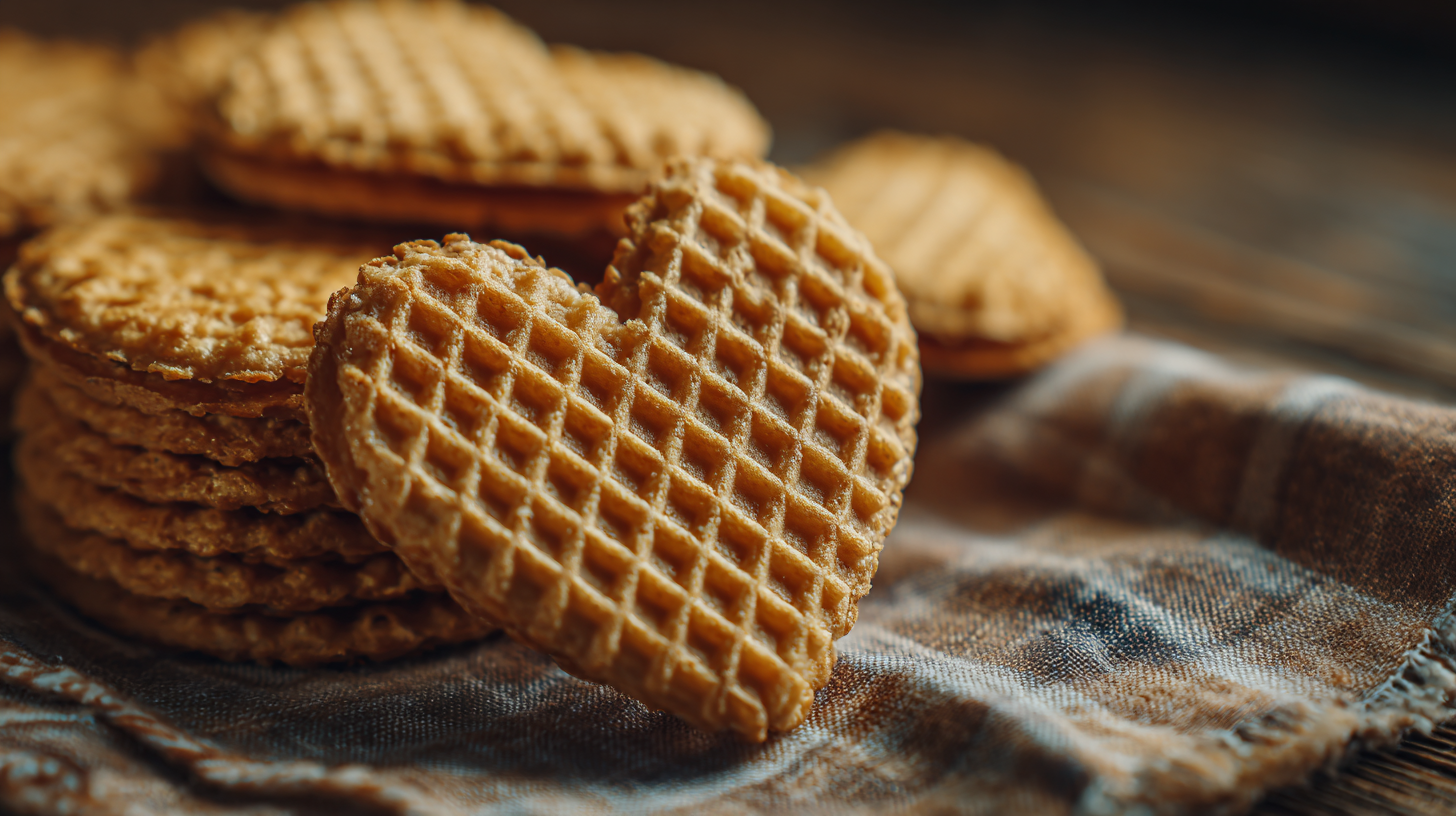
Lately, I’ve noticed a big trend with artisan and flavored wafers hitting the scene. It’s all about customization and making food presentation more unique. Some gourmet brands are mixing in stuff like matcha, spices, or even exotic fruits, creating flavors that really stand out and cater to folks who love trying new things. Plus, with the rise of plant-based diets, more and more vegan wafer options are popping up. That’s great because it means everyone can enjoy them! As chefs keep pushing the boundaries and experimenting with traditional dishes, these wafers are no longer just a snack—they’ve become a key ingredient in modern culinary creations.
Honestly, it’s pretty exciting to see how something so simple can be reinvented in so many ways!
Health Perspectives: Balancing Indulgence with Nutritional Awareness
Lately, there's been a pretty noticeable shift toward healthier lifestyles, and it’s really shaping how folks think about nutrition and indulgence. For example, the sports nutrition market alone is expected to hit around $5.93 billion in 2023. And from 2024 to 2031, it’s growing at about 7.5% annually—that’s quite a boom! This really reflects how more people are craving products that not only boost energy and performance but also fill nutritional gaps in their daily diets. People are trying to enjoy treats without feeling guilty, so snacks like wafer biscuits that pack a nutritional punch are becoming more popular and play a big role in this whole trend.
On top of that, the rise of plant-based diets shows how much folks are thinking about their health when it comes to what they eat. Between 2014 and 2019, the number of vegans in the UK, for example, quadrupled—talk about a huge leap! This shift is driven by a real growing awareness of the benefits of plant foods, both for health and sustainability. As more people aim to feel better and improve their overall well-being, there’s a clear move towards choosing products that are not just tasty but also nutritious. It’s all about finding that balance—delighting in what they eat while also sticking to their health goals.
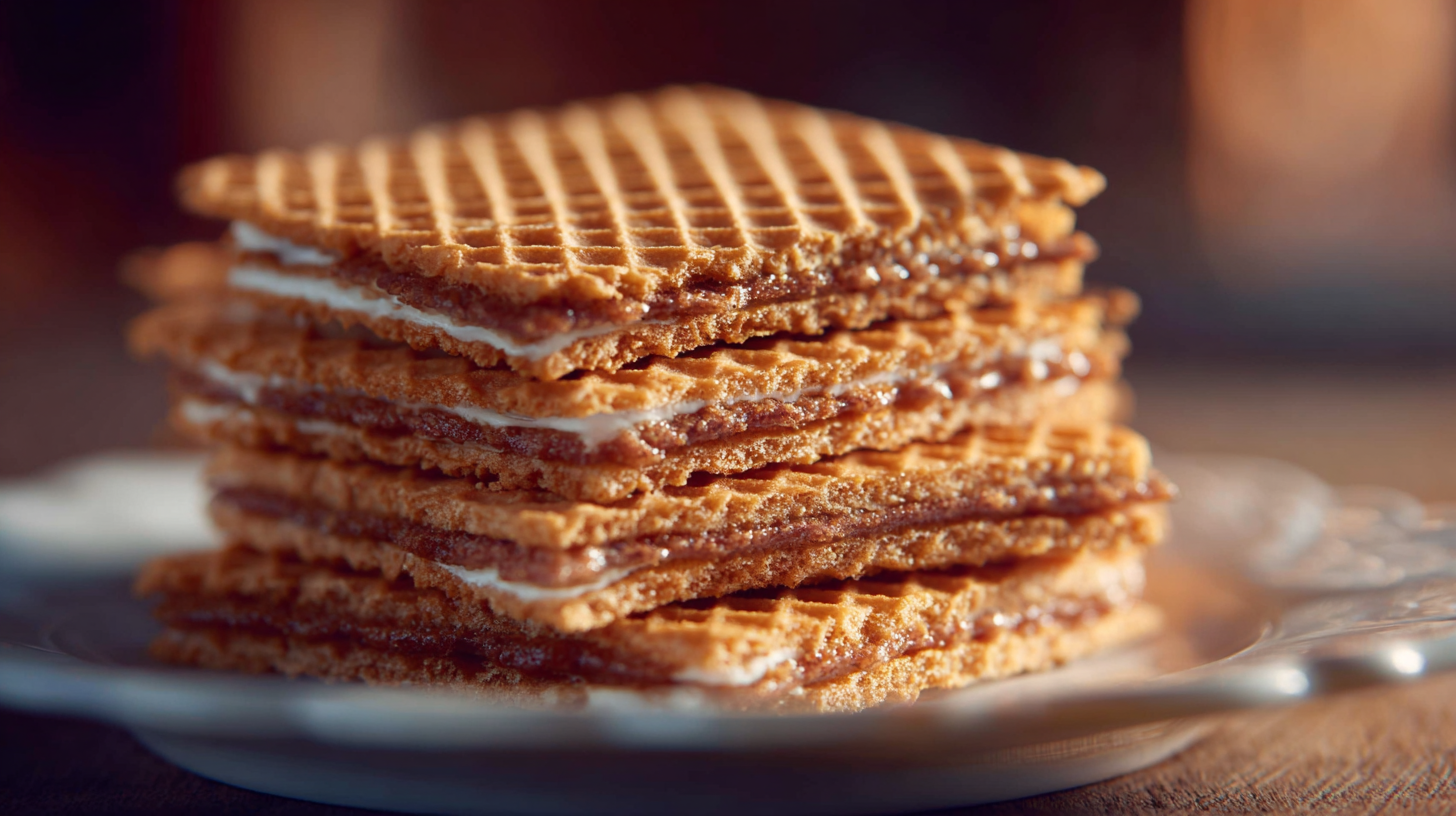
Indulge Guilt-Free: Exploring the Benefits of Nutritious Wafer Biscuits for Healthy Snacking
Indulging in snacks doesn’t have to come with a side of guilt, especially when you choose nutritious wafer biscuits. These delightful treats not only melt in your mouth with their delicate texture but also boast a composition that is easy to digest, making them suitable for snackers of all ages. Whether you're looking for a quick pick-me-up or a tasty treat for children, these biscuits cater to a wide range of taste preferences with their variety of nutritious cream fillings in an assortment of flavors.
The individually wrapped design of these wafer biscuits adds to their appeal, providing convenience and ensuring they remain hygienic whenever you crave a snack. Perfect for on-the-go enjoyment, these biscuits can easily slip into your bag, making them an ideal companion for busy days or outdoor activities. Moreover, they can serve as a charming gift option, allowing you to share this delightful experience with friends and family. With every bite, you can savor a moment of indulgence without compromising your health goals, making these wafer biscuits a top choice for anyone looking to enjoy guilt-free snacking.
FAQS
: Wafer biscuits are crisp treats believed to have originated in ancient Greece and became popular in Europe during the 19th century, particularly due to the rise of confectionery companies in France and Italy.
The global market for wafer biscuits is predicted to reach over $44 billion by 2025, driven by innovations in production and a variety of flavors.
Wafer biscuits account for approximately 15% of the total global biscuit market, highlighting their popularity among snack lovers.
Wafer biscuits provide a light texture and satisfying crunch, making them a versatile snack option for both sweet and savory fillings.
There has been a notable shift towards health-conscious lifestyles, leading consumers to seek out snacks that balance indulgence with nutritional awareness.
The sports nutrition market is projected to reach about $5.9312 billion in 2023, with a compound annual growth rate of 7.46% from 2024 to 2031.
The increasing interest in plant-based diets, as evidenced by a quadrupling of vegans in the UK from 2014 to 2019, has led consumers to choose snacks that are more sustainable and health-oriented.
Nutrient-dense snacks, including wafer biscuits, are important as they help consumers balance enjoyment with nutritional value while addressing dietary gaps.
Manufacturers are experimenting with new flavor combinations and health-conscious formulations to meet the evolving tastes and preferences of snack lovers.
Consumers are increasingly making informed choices that align with their health goals, seeking snacks that provide enjoyment without compromising nutritional value.
Conclusion
Have you ever wondered about the story behind wafer biscuits? Well, I recently read this fascinating article called "Unlocking the Crunch: The Surprising History and Science Behind Wafer Biscuits," and it really takes you on a sweet journey through their past and how they’re made. It starts by exploring where they all began—imagine a culinary adventure that spans ages—highlighting how their signature light, crispy texture comes from some pretty precise layering and baking techniques. The article also dives into the ingredients, especially flour and sugar, and how they play a big part in giving wafers their crunch and flavor.
What’s really cool is how different parts of the world have put their own twist on wafer treats. It’s like a global flavor tour, celebrating all these cultural variations. And nowadays, the article touches on how modern food trends are shaping wafer biscuits—think healthier options so you can indulge without feeling guilty! It all ties back to Longtong Group’s dedication to quality, making sure that their snacks—from wafer biscuits to other goodies—are tailored to satisfy diverse tastes around the globe.
Honestly, it’s a mix of history, science, and a bit of cultural flair—pretty delicious to think about, right?