As the Mint Candy market keeps evolving, it’s pretty clear that buyers need to stay on top of the latest trends and what consumers are really after. According to the 2023 Global Confectionery Market Report, the mint candy segment is expected to grow at about 5.2% annually until 2026. That’s a pretty strong indicator that people are really into fresh flavors and new, exciting products in the sweet world. Karen Thompson, a flavor trend analyst at Sweet Insights, put it nicely when she said, “The charm of Mint Candy lies in how it can bring together that refreshing burst and a touch of nostalgia all at once.”
Mint Candy Market Overview and Growth Predictions for 2026
The mint candy market is on a promising trajectory heading into 2026. According to recent industry reports, the global mint candy market is expected to grow at a CAGR of 6.5% over the next three years. This growth is largely driven by increasing consumer demand for innovative flavors and healthier alternatives. Mint remains a popular choice due to its refreshing taste and potential digestive benefits, especially among health-conscious consumers.
In terms of market segmentation, a significant trend is the rise of sugar-free and natural mint candies. Reports suggest that these categories will see increased sales, capturing an estimated 30% of the total market share by 2026. Manufacturers are innovating with natural sweeteners and organic ingredients to meet this demand. However, challenges persist in sourcing high-quality mint extracts, which can affect production costs and pricing.
Another interesting aspect is the shift in consumer preferences toward artisanal and localized products. Many buyers are leaning toward small-scale brands that offer unique flavors and ethical sourcing practices. This sometimes creates a gap in supply chains, as smaller producers may struggle to meet the sudden demand. Stakeholders should be aware of these dynamics when planning their strategies. Monitoring these trends closely will be crucial for decision-making in the evolving mint candy market.
Key Trends Influencing Mint Candy Consumer Preferences in 2026
In 2026, consumer preferences for mint candy will be shaped by several key trends. According to a report by Grand View Research, the global mint candy market is expected to grow by 4.5% annually, driven by rising health consciousness among consumers. Many buyers are shifting towards products with natural ingredients. There is a noticeable demand for mint candies sweetened with agave or coconut sugar. Transparency in sourcing is becoming essential for buyers.
Another influential trend is the rise of artisanal and gourmet mint products. A study by Mintel revealed that 48% of consumers are willing to pay more for unique flavor profiles. This opens the door for innovative combinations, like mint-infused dark chocolate or spicy mint variations. However, crafting high-quality mint candies requires a delicate balance of flavor intensity and sweetness, which some brands struggle to achieve consistently.
Sustainability is also a driving force. Research from Euromonitor reveals that 62% of consumers prefer candies packaged in eco-friendly materials. Brands that focus on sustainability may find a more loyal customer base. Despite these trends, some companies face challenges in implementing sustainable practices without increasing costs. This tension requires careful reflection and strategic planning to meet evolving consumer demands while maintaining profitability.
Top Mint Candy Flavors Expected to Dominate Sales by 2026
As we look toward 2026, certain mint candy flavors are poised to lead the market. According to a recent report by Mintel, consumer preferences are shifting toward more adventurous flavors. Traditional mint is still popular, but unique blends are gaining traction. Flavors like peppermint-pineapple and spearmint-cinnamon are emerging. These combinations appeal to younger consumers who seek novelty in their treats.
Another trend is the rise of healthier options. A survey by the National Confectioners Association noted that 35% of buyers prefer candy with natural ingredients. Mint candies that use organic sweeteners rather than artificial sugars are likely to grow in sales. This shift reflects a broader demand for transparency in food sourcing. Shoppers are more informed than ever about what they consume.
There are challenges ahead for manufacturers. The balancing act between flavor innovation and health consciousness is tricky. While unique flavors can captivate buyers, they may alienate traditionalists. Thus, brands will need to carefully curate their offerings. Industry professionals highlight the importance of consumer feedback in adapting to these changing preferences. Effective market strategies must address both the need for innovation and the desire for classic tastes.
Mint Candy Trends 2026: What Are the Best Choices for Buyers
| Mint Flavor |
Expected Sales Growth (%) |
Consumer Preference (%) |
Market Share (%) |
| Peppermint |
12 |
45 |
30 |
| Spearmint |
9 |
35 |
25 |
| Chocolate Mint |
15 |
20 |
18 |
| Mint Chocolate Chip |
10 |
15 |
12 |
| Minty Watermelon |
7 |
5 |
8 |
Sustainability in Mint Candy Production: Emerging Practices for 2026
In recent years, sustainability has become a crucial focus for the mint candy industry. Emerging practices prioritize eco-friendly methods in production. A recent report from the Candy Technologies Institute highlights that over 70% of consumers prefer brands that emphasize sustainable sourcing. This shift influences purchasing decisions, pushing manufacturers to adopt greener processes in mint candy production.
Many companies are rethinking their supply chains. They explore local sourcing for mint to reduce transportation emissions. Organic alternatives also gain traction, as data from the Sustainable Confectionery Network shows that organic mint sales grew by 15% last year. Consumers increasingly seek products that align with their values. However, inconsistent certification practices can lead to confusion. Some brands may not genuinely adhere to sustainable practices.
Tips: Always look for certifications on packaging. Research the brand's sustainability message. Evaluate whether their eco-claims are backed by evidence. As the market evolves, choosing mint candy made sustainably is beneficial for buyers. It encourages a healthier planet.
The focus on sustainability in mint candy production reflects broader industry trends. Yet, challenges remain. Inconsistent transparency can undermine trust. Buyers must navigate claims carefully. Keeping informed is paramount. By choosing wisely, consumers can support genuine efforts toward sustainability while enjoying their favorite
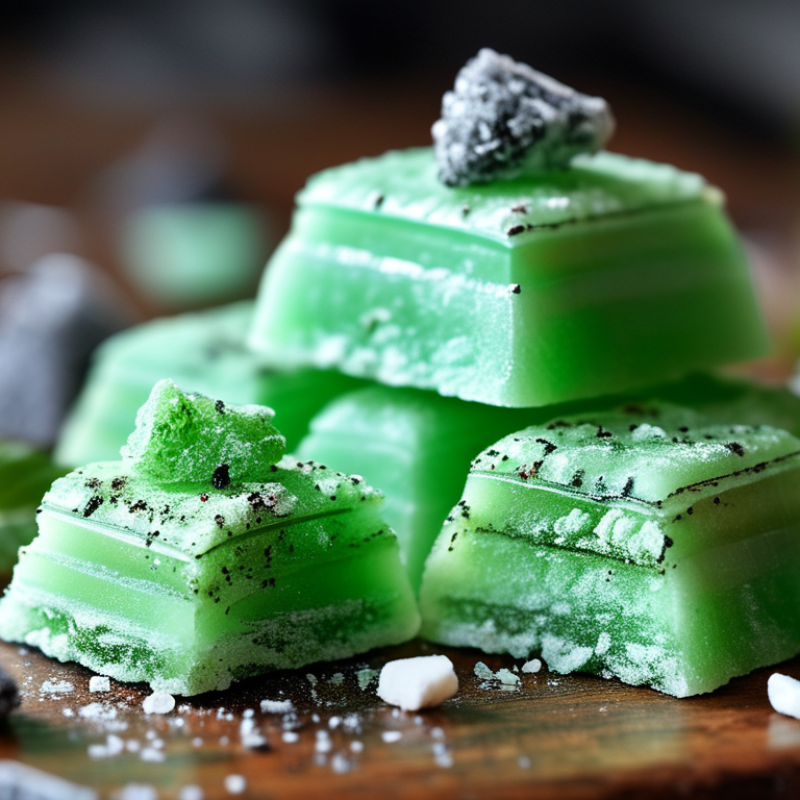
Candy Jelly Candy.
Health Considerations: Sugar-Free and Organic Mint Candy Options
When exploring mint candy trends in 2026, health-conscious consumers will lean towards sugar-free and organic options. These alternatives cater to a growing demand for snacks with fewer artificial ingredients. Sugar-free mint candies often use substitutes like stevia or erythritol, which can satisfy cravings without the calories of traditional sweets. However, it's essential to check how these alternatives affect digestive health.
Gum Candy can also be a surprising choice. Many sugar-free options come in gum form, offering a refreshing burst of mint while keeping sugar intake low. This format can help with oral health, promoting a cleaner mouth feel. Still, not all sugar substitutes are created equal. Some can lead to unpleasant aftertastes or digestive issues for sensitive consumers.
Tip: Always read ingredient labels. Look for organic certifications to ensure quality. Pay attention to serving sizes too, as even sugar-free options can affect your overall sugar intake. Embrace variety but maintain awareness of how your body reacts to these treats. Enjoy mint candy in moderation while keeping health in focus.
Major Players in the Mint Candy Industry and Their Market Strategies
In the mint candy industry, major players adapt their strategies to meet evolving consumer preferences. They focus on innovation, introducing new flavors and textures to attract buyers. Companies often experiment with unique ingredients, creating products that stand out. For instance, a blend of mint with fruit flavors can offer a refreshing twist.
Market analysis shows that appealing packaging can influence purchase decisions. Bright colors and engaging designs catch the eye, making a product more appealing. These choices are crucial in a competitive landscape where visual impact matters. While brands invest in aesthetics, they also explore eco-friendly materials, aligning with sustainable practices.
Consumer feedback plays a vital role in shaping products. Brands regularly conduct surveys to understand preferences. This data helps companies refine their offerings and address any shortcomings. Moreover, the industry faces challenges, such as fluctuating ingredient prices. Reflecting even on successful strategies is essential, as market dynamics can shift rapidly. A keen focus on both consumer preferences and operational challenges can lead to lasting success in the mint candy market.
Regional Mint Candy Trends: Insights from North America and Europe
In North America, mint candies are evolving. Buyers are looking for bold flavors. Traditional mint is no longer enough. Instead, combinations like mint with dark chocolate or ginger are gaining popularity. This trend fosters a unique experience for consumers. People are eager to explore these vibrant flavor pairs.
Europe presents a slightly different picture. Here, classic mint candies still dominate the market. Consumers cherish familiar tastes. However, innovation is creeping in. Manufacturers are experimenting with textures and shapes. Some are launching mint-flavored Toy Candy that adds a playful twist. This shift in focus could refresh the category.
Each region showcases distinct preferences. North Americans want excitement, while Europeans value tradition. Both markets reflect deeper connections to taste and nostalgia. As the mint candy landscape grows, the challenge lies in balancing innovation with consumer expectations. The future of mint candies is undoubtedly bright, yet uncertainty lingers about sustainable trends.
Delightful and Unique: The Magic of Sweet Creative 3D Doll Shaped Cotton Candy for Memorable Displays
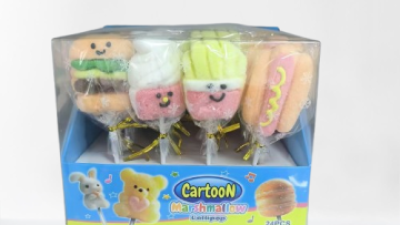
In the world of confections, innovative designs and delightful flavors play a crucial role in attracting consumers, particularly the younger demographic. The emergence of 3D Doll-shaped cotton candy exemplifies this trend, combining visual appeal with mouthwatering sweetness. Adorned in charming lollipop-style packaging, these marshmallow creations are a feast for the eyes and the taste buds. Presented in a beautifully arranged display box, they not only serve as a treat but also as a memorable decorative element at events or parties.
Statistics from the candy industry indicate that novelty products, especially those with unique shapes and presentations, are gaining traction. According to a recent market analysis, products that offer a distinctive visual experience can see sales boosts of up to 30% compared to traditional counterparts. This surge in popularity highlights the potential of sweet, whimsical creations like 3D Doll-shaped marshmallows. Each piece is individually wrapped, allowing for convenient retail opportunities that appeal to consumers looking for gifts or party favors, making them an ideal choice for supermarkets and candy stores.
Beyond their aesthetic charm, these marshmallows melt in the mouth, delivering a delicious taste that leaves customers craving more. Their irresistible sweetness and playful design resonate particularly well with children, ensuring repeat purchases. As the trend for unique, eye-catching snacks grows, the 3D Doll-shaped cotton candy stands out as a leading candidate for both indulgence and special occasions, embodying the magic of creativity in the confectionery industry.
FAQS
: Health consciousness drives demand for natural ingredients and transparency in sourcing.
Yes, 48% prefer artisanal products and innovative flavor combinations.
Over 70% of consumers prefer brands that focus on sustainable sourcing.
Implementing sustainable practices can increase costs, leading to strategic planning issues.
Look for certifications on packaging and research the brand's sustainability claims.
Bold combinations like mint with dark chocolate and ginger are gaining popularity.
Europeans favor classic flavors, though innovative textures and shapes are starting to emerge.
Inconsistent certification practices can confuse consumers and undermine trust in brands.
North America seeks excitement, while Europe values tradition and familiar tastes.
Evaluate sustainability practices and flavor preferences alongside personal values.
Conclusion
The article "Mint Candy Trends 2026 What Are the Best Choices for Buyers" provides a comprehensive overview of the mint candy market, highlighting its anticipated growth and evolving consumer preferences. By 2026, key trends influencing the demand for mint candy will include a shift towards healthier options such as sugar-free and organic varieties, as well as innovative flavor combinations that are expected to dominate sales. Additionally, sustainability practices in mint candy production are emerging as a significant consideration for both producers and consumers.
Insights from regional markets, particularly North America and Europe, reveal distinct trends that reflect local tastes and preferences. Major players in the mint candy industry are adapting their market strategies to align with these trends, ensuring they meet the expectations of a more health-conscious and environmentally aware consumer base. Overall, the future of mint candy appears promising, driven by these evolving trends and consumer demands.