China’s candy business is leaning more and more toward exports these days. A big reason? Flexible manufacturing and access to competitively priced ingredients. The China Candy Market Report from Research and Markets points to steady demand for packaged sweets, and Statista Consumer Market Insights keeps listing China as one of the world’s major confectionery markets by revenue. But here’s a catch: not every report defines confectionery the same way. Some lump in chocolate and gum; others stick to sugar candy only.
And that distinction? It really matters.
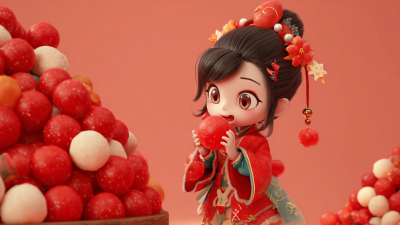
For international buyers, Nezha Candy can be more than just a themed product line. Think cultural storytelling, bright packaging, and familiar formats—hard candy, gummies, lollipops, gift boxes, that kind of thing. The market is shifting, sure. But no ranking is ever perfect. A supplier’s capabilities can change fast—new equipment, export orders, certification updates, you name it.
This guide looks at ten China-based suppliers for international purchasing teams. We’re weighing things like product consistency, private-label support, minimum order quantities, packaging flexibility, food-safety systems, and export experience. Before signing anything, buyers should check valid certifications, ingredient specs, allergen controls, and recent batch samples. ISO 22000 and HACCP paperwork can help with due diligence, but certificates alone? They don’t prove what’s happening on the production floor every day.
A practical inspection should look at sealed cartons, readable labels, moisture protection, and traceable lot numbers. Taste matters, too. A supplier might quote a great price but then the texture suffers after a long sea shipment. Research and Markets and Mordor Intelligence both note that changing consumer preferences are driving more interest in premium, novelty, and conveniently packaged confectionery. Still, data can’t replace a factory visit or verification. This shortlist is a starting point, not a final purchasing decision. Global buyers should also confirm intellectual-property permissions for character-related designs and check destination-market labeling rules before launch.
Defining Nezha Candy: HS Code 1704, Product Types, and Buyer Needs
Nezha candy is usually a themed sugar confectionery, not a separate customs category. For many products, HS Code 1704 may apply because it covers sugar confectionery without cocoa. However, national tariff subheadings can differ. Buyers should confirm the code with a customs broker before ordering. Chocolate-coated items may require another classification.
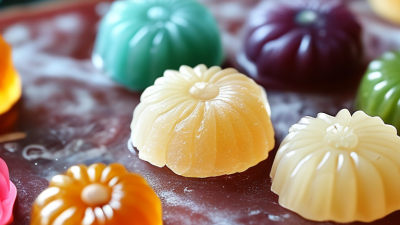
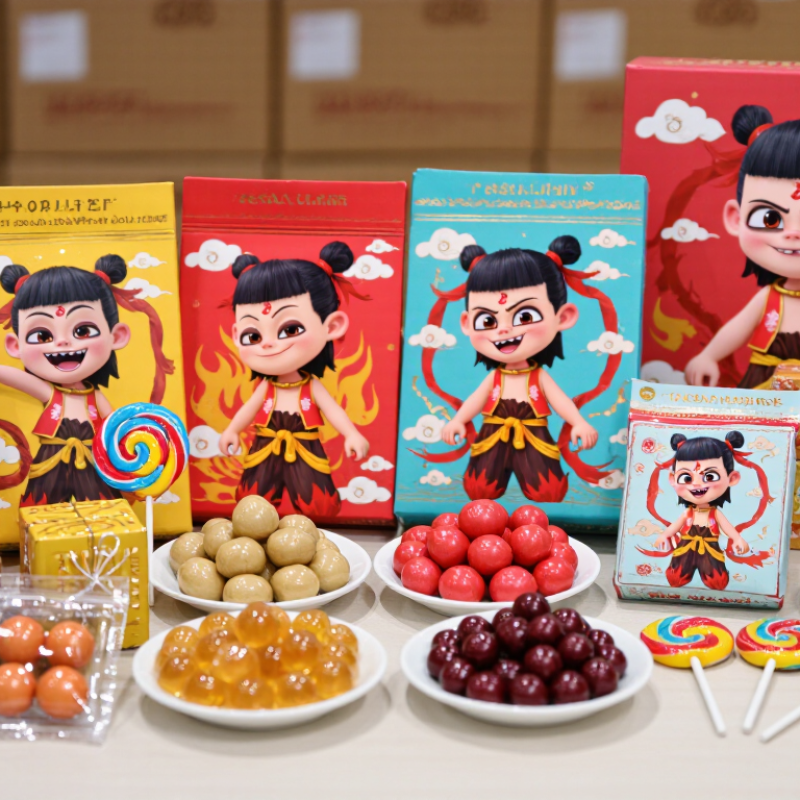
Product types vary widely. Common options include hard candies, chewy pieces, lollipops, gummies, pressed tablets, and individually wrapped sweets. A Nezha-inspired design may appear on wrappers, cartons, or molded candy shapes. Suppliers should provide ingredient lists, nutrition panels, allergen statements, shelf-life data, and batch information. A sample carton often reveals more than a polished product image.
Global buyers usually assess minimum order quantity, packaging size, factory capacity, export experience, and loading schedules. Moisture control matters for gummies and chewy candy. Heat-resistant wrapping helps during warm ocean transport. Buyers should also check language requirements, permitted additives, color stability, and destination-market labeling rules. Small details matter. One overlooked warning can delay a shipment.
A weak sourcing brief often focuses only on price and character artwork. That approach is incomplete. Requesting a pre-production sample, packing specification, and third-party test report creates a clearer decision trail. Still, documents can contain errors. Recheck weights, carton counts, and HS information before payment and customs filing.
Ranking China’s Top 10 Suppliers by MOQ, Capacity, and Export Reach
China Top 10 Nezha Candy Suppliers for Global Buyers
Ranking China’s Top 10 Suppliers by MOQ, Capacity, and Export Reach
This practical ranking compares ten China-based confectionery suppliers by minimum order quantity, monthly output, and export experience. Supplier 1 suits large distributors, with a 500,000-unit MOQ, high-volume lines, and broad container-loading capability. Supplier 2 offers similar capacity but accepts smaller trial orders. Supplier 3 stands out for flexible packaging and stable export documentation. These details should be verified during an audit.
Supplier 4 supports private-label Nezha Soft Candy projects from 100,000 units. Its production capacity is moderate, but sampling is responsive. Supplier 5 has stronger regional distribution and handles mixed-carton orders. Supplier 6 provides competitive pricing at 80,000 units, though its monthly output may tighten during holiday demand. Supplier 7 offers automated forming and wrapping, with better consistency for larger campaigns. Capacity matters here.
Supplier 8 is suitable for buyers testing new markets, starting near 50,000 units. Supplier 9 has useful experience with multilingual labels and palletized export shipments. Supplier 10 ranks well for custom shapes, but its lead time requires careful planning. One weakness remains: published figures can become outdated quickly. Buyers should request recent production records, ingredient specifications, inspection reports, and shipment references before signing. A factory visit or independent audit can reveal small issues, such as uneven wrapping or delayed carton printing, that online discussions often miss.
Comparing MOQ Bands of 500–10,000 Units, Prices, and Lead Times
For global buyers comparing China’s top candy suppliers, MOQ often shapes the real cost more than the quoted unit price. Nezha Print Candy orders at 500 units may cost about US$0.28–0.45 each, with lead times near 18–25 days. At 1,000 units, prices commonly fall to US$0.18–0.32, while production may take 20–28 days. Confirm whether printing, wrapping, cartons, and inspection are included.
Larger orders create stronger price breaks. A 3,000-unit MOQ may reach US$0.12–0.24 per piece, with a 25–35-day lead time. At 5,000 units, buyers may see US$0.09–0.18 and production within 28–38 days. Orders near 10,000 units can sometimes fall below US$0.10, but custom artwork, flavor trials, and extra color matching may add several days. Ask for a written cost ladder.
Experience shows that low MOQ quotes can hide setup fees. Request a pre-production sample, ingredient specification, package dimensions, and a carton drop-test record. One overlooked detail matters: individual candy wrappers may need different film sizes for each design. A ten-supplier comparison sheet should record payment terms, sample timing, defect tolerance, and shipping weight. It still will not reveal every factory delay. Weather, material shortages, or artwork changes can shift delivery dates. Keep a buffer of seven days. That is not perfect planning, but it is more realistic.
Auditing GB 7718, HACCP, ISO 22000, and COA Compliance
Global buyers evaluating Nezha Design Candy suppliers should audit documentation before discussing price or packaging. GB 7718 checks Chinese food labeling, including ingredients, allergens, net content, dates, and storage instructions. Labels often look complete but miss small details. Request current HACCP and ISO 22000 certificates, then verify their scope, validity, issuing body, and production site.
A practical audit should connect factory records with each shipment. Ask for a recent COA showing microbiological results, moisture, additives, and batch identification. Compare the COA batch number with carton labels and production records. During a factory visit, inspect handwashing areas, allergen controls, pest prevention, metal detection, and finished-goods storage. Evidence matters more than polished presentations. Some suppliers may provide incomplete files. That deserves further checking.
Tips: Request three recent COAs, not one. Confirm testing laboratories and test dates. Review a sample label against GB 7718 requirements before approving artwork. Ask how HACCP hazards are monitored daily, not only during certification audits. ISO 22000 certification supports a food safety system, but it does not replace product testing. Keep written corrective actions for every gap. Perfect paperwork is unusual; unexplained gaps should never be ignored.
Evaluating OEM Packaging, Nezha Artwork, Sizes, and Tooling Costs
When comparing China’s top ten Nezha candy suppliers, global buyers should begin with a detailed specification sheet. Nezha Cake may require a different carton depth than small molded candies. Ask for finished dimensions, net weight, cavity count, and packing orientation. Photographs are not enough. Request a physical sample.
OEM packaging needs more than attractive artwork. Confirm food-contact materials, ink coverage, varnish, inner trays, barcode placement, and drop-test standards. Nezha artwork should use editable vector files, clear color references, and documented approval stages. One missed revision can affect print registration or facial details. That small error becomes expensive at scale. Request material declarations and batch traceability records.
Sizes also influence tooling costs. A supplier may quote a low mold fee, then add charges for inserts, revisions, or extra cavities. Ask whether tooling is dedicated, reusable, or refundable after a stated order volume. Clarify steel type, expected tool life, maintenance, and ownership documents. For candy molds, request tolerance data for weight, thickness, and release marks. These details reveal production discipline. Compare samples from identical drawings, not verbal descriptions. Lead time should include artwork approval, mold fabrication, trial production, and inspection. However, schedules can slip. Weather, revisions, and factory loading are real variables. I would leave a buffer, even when the quotation looks convincing. Some supplier pages appear polished, but their technical answers remain vague. That is a warning worth recording.
Verifying 12–24-Month Shelf Life, Incoterms, Samples, and Payment Terms
China Top 10 Nezha Candy Suppliers for Global Buyers?
A 12–24-month shelf-life claim needs evidence, not a printed number. Ask suppliers for accelerated and real-time stability records. These should cover moisture migration, water activity, microbiology, texture, color, and packaging seal strength. Codex General Standard for the Labelling of Prepackaged Foods, CXS 1-1985, requires clear date marking and storage instructions. It does not automatically prove a candy remains acceptable for two years. Request production-batch samples, laboratory reports, and retained-sample photos. Test the same flavor in summer heat and humid warehouses. Small details matter.
Incoterms must appear beside the named place and year. Under Incoterms 2020, FOB normally covers loading at the export port, while DDP places wider delivery responsibilities on the seller. Confirm customs clearance, insurance, inland trucking, and destination charges in writing. The World Bank’s 2023 Logistics Performance Index shows major differences in customs and infrastructure efficiency across markets. Payment terms also require caution. A practical structure may combine a small deposit, inspection approval, and balance against shipping documents. Use bank-verifiable company details. Samples should match mass production, including wrapper, carton, weight, and date coding. My concern is simple: suppliers sometimes send unusually fresh samples. Require a sealed control sample from the final batch. Mistakes happen. Verification should assume they can happen.
China Top 10 Nezha Candy Suppliers: Global Buyer Verification Benchmarks
This chart presents practical buyer-side benchmarks for evaluating confectionery suppliers: a 12-month minimum shelf life, an 18-month preferred target, a 24-month maximum verification horizon, sample preparation within 14 days, and a 30% deposit reference. Incoterms such as FOB, CIF, and EXW, as well as payment conditions, should be confirmed in the supplier quotation and sales contract.
FAQS
HS Code 1704 often covers sugar confectionery without cocoa. National subheadings can differ. Confirm the classification with a customs broker.
Options include hard candies, chewy pieces, lollipops, gummies, pressed tablets, and individually wrapped sweets. Designs may appear on wrappers or molded pieces.
Request ingredient lists, nutrition panels, allergen statements, shelf-life data, and batch information. A sample carton can reveal practical details.
Check language requirements, permitted additives, color stability, and destination-market labeling rules. One overlooked warning can delay delivery.
At 500 units, pricing may reach US$0.28–0.45 each. Around 10,000 units, prices can sometimes fall below US$0.10.
Orders of 500 units may take 18–25 days. Larger customized orders may require 28–38 days. Keep a seven-day buffer.
Yes. Setup fees, printing, wrapping, cartons, and inspection may be excluded. Ask for a written cost ladder.
Request a pre-production sample, packing specification, and test report. Recheck weights, carton counts, and classification details before payment.
Moisture control helps gummies and chewy candy. Heat-resistant wrapping can protect sweets during warm ocean transport.
Not always. Documents may contain errors, and factory delays remain possible. Weather, material shortages, and artwork changes can affect delivery.
Conclusion
This guide helps global buyers evaluate China-based Nezha Candy suppliers through practical, verifiable criteria. It explains how Nezha Candy is generally classified under HS Code 1704 and reviews common product forms, including molded candy, lollipops, gummies, hard candy, and customized gift packs. The comparison focuses on supplier MOQ ranges from 500 to 10,000 units, production capacity, indicative pricing, lead times, export experience, and communication efficiency.
Buyers will also learn how to audit documentation such as GB 7718 labeling, HACCP, ISO 22000, and product-specific COAs. Additional evaluation points include OEM packaging, approved Nezha artwork, candy sizes, mold and tooling charges, samples, 12–24-month shelf-life expectations, Incoterms, and payment terms. By checking these factors systematically, importers can reduce sourcing risks, select suitable production partners, and develop compliant Nezha Candy orders for different markets and sales channels.