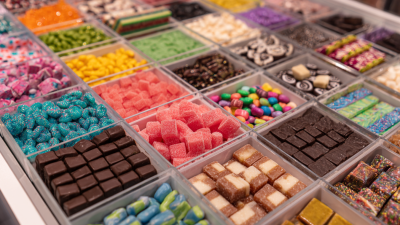
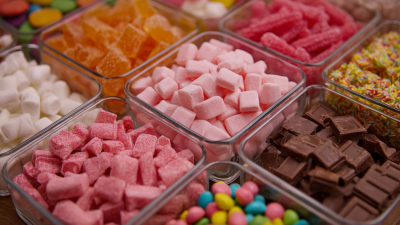
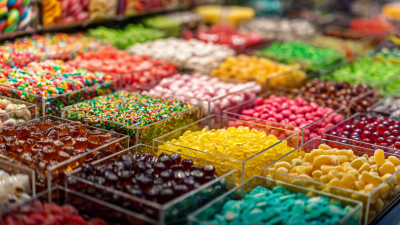
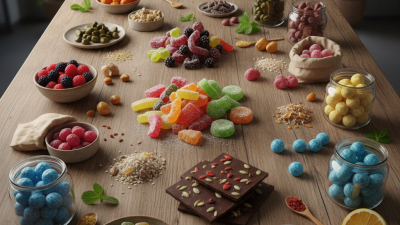
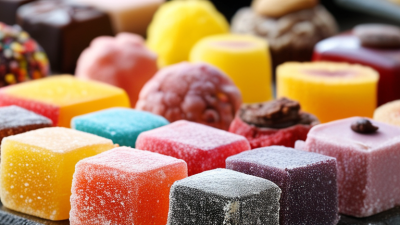
When it comes to the always-changing world of Candy Selection, really getting a feel for what’s out there is super important. Sarah Liu from Sweet Delights, a pretty well-known expert, puts it nicely: “A great candy selection is all about spreading joy and flavor to the folks who try it.” That just shows how picking quality candies directly connects to making customers happy.
China’s got this incredible variety of sweets — each with its own unique taste and texture. If you’re shopping in this market, it’s a smart move to pay close attention to packaging, flavors, and how reputable the brand is. Honestly, the choices can seem a bit overwhelming at first, but if you get a handle on what local folks really like, you’re more likely to make hits. Things like traditional sweets and fresh, innovative snacks are usually big crowd-pleasers.
Figuring out what works here is all about doing your homework and keeping an eye out. Not every candy will land, so it’s a good idea to think back on what’s worked for you before. Checking out what customers say can really shed light on what’s trending and what people prefer. If you approach Candy Selection thoughtfully, you’ll not only boost your sales but also build stronger connections with your customers — it’s a win-win in my opinion.
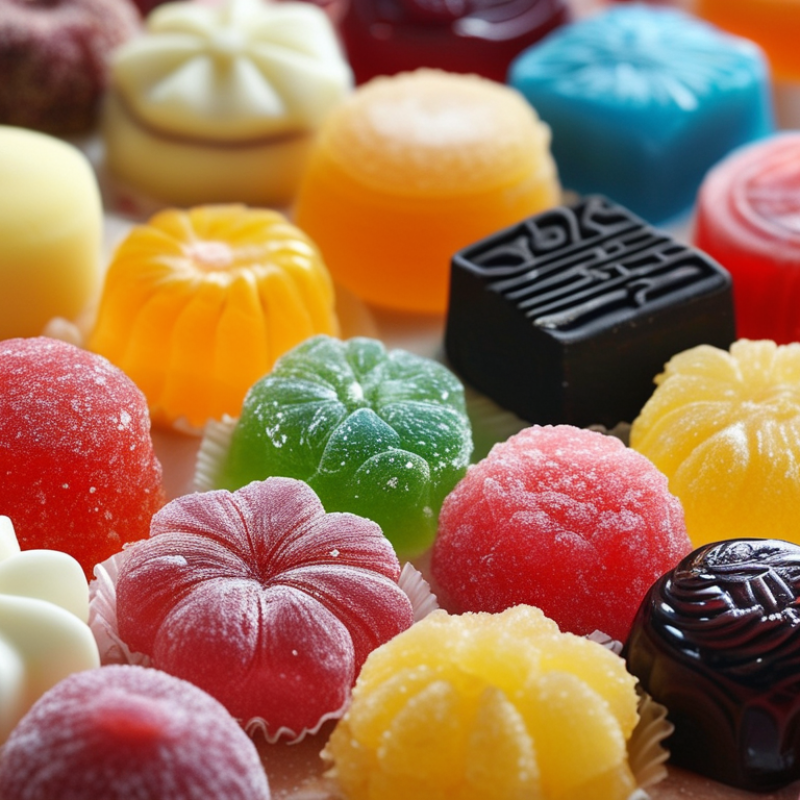
Top 10 Popular Candy Types in China: An Overview
China's candy market is diverse and vibrant. The rise of urbanization and disposable income has driven the demand for various confectionery products. According to the "China Confectionery Market Report 2023," the country's candy market size exceeded $25 billion in 2022, growing annually by 6%.
Popular candy types include fruit candies, chocolate, and traditional sweets like melon seeds. Fruit-flavored gummies are especially appealing to younger consumers. These candies often feature vibrant colors and playful textures. Chocolate sales are also on the rise, as many consumers equate chocolate with quality and luxury.
Understanding local preferences is essential for success. Regional tastes can vary significantly across China. Buyers should research popular flavors specific to different provinces. It's also crucial to consider packaging. Eye-catching designs can attract younger audiences, who are influenced by aesthetics and trends.
Incorporating unique flavors could set a product apart. For instance, candies infused with traditional Chinese ingredients like green tea or red bean may attract the health-conscious consumer. Reflecting on local trends can enhance product relevance and appeal. Buyers should remain flexible and adapt to market shifts. Observing changes in consumer behavior is vital for staying competitive.
Market Trends Influencing Candy Sales in China
The candy market in China is experiencing significant shifts that impact buyer decisions. Recent reports indicate that the candy sector is expected to grow at a compound annual growth rate of over 6% from 2023 to 2028. This growth is driven by changing consumer preferences, particularly among younger generations. They seek unique flavors and healthier options, influencing what buyers should prioritize in their selections.
Market trends reveal a noticeable inclination toward innovative products. A 2022 study highlighted that 40% of consumers favor unique and exotic flavors in their candy choices. This trend illustrates that traditional flavors may no longer dominate. Additionally, sustainability is becoming critical. Over 50% of consumers express a preference for brands using eco-friendly packaging. For example, “Bubble Gum Selection” should reflect these trends, focusing on unique formulations and sustainable practices.
As buyers navigate these changes, they must understand that preferences vary widely by region. Urban areas tend to embrace novelty, while rural regions may prioritize affordability. Ensuring a balanced portfolio that meets diverse needs is essential but can be challenging. Recognizing these dynamics can guide buyers in making informed decisions, aligning with the evolving landscape of the Chinese candy market.
Consumer Preferences: Flavors and Textures in Chinese Candies
Chinese candies are diverse in flavors and textures, reflecting rich cultural heritage. Buyers should note the distinct preferences that guide consumers in China. For instance, sweet and savory combinations are popular, offering a unique tasting experience. Many people enjoy candies that incorporate traditional flavors, such as red bean, sesame, and herbal notes. These flavors may surprise newcomers, as they differ from the typical Western profiles.
Texture plays an essential role in the appeal of Chinese candies. Chewy, gummy, and crunchy varieties are favored among various age groups. Hard candies are often infused with traditional ingredients, creating a delightful contrast in bite. Some candies are soft and melt in the mouth, providing a comforting experience. Buyers should explore this range to cater to customer preferences.
While there is a clear fascination with exotic flavors and textures, expectations may be misaligned. Not all candies will suit everyone’s taste. Some may find the herbal or bean flavors unusual if they are accustomed to conventional sweets. Understanding these nuances will help buyers appreciate the complexity of the Chinese confectionery landscape. It’s vital to approach with an open mind, ready to encounter both beloved treats and those that require some acquired taste.
Regional Varieties: Exploring Candies from Different Provinces
China's candy scene is rich and diverse, reflecting the country's vast culinary traditions. Each region has its own unique sweets, influenced by local ingredients and tastes. For instance, Sichuan features spicy candies, while Guangdong showcases delicate pastries filled with sweet bean paste. These regional varieties are a delightful way to explore China's culture through its flavors.
When tasting candies, pay attention to their textures. Some may be chewy, while others are crispy. Ensure you read labels, as ingredients vary widely. If you're unfamiliar with certain flavors, try a small piece first. This approach lets you discover new favorites without overwhelming your palate.
Exploring local markets is ideal for finding authentic candies. Vendors often offer samples, allowing you to taste before buying. Be open to trying unusual varieties, such as preserved fruits or herbal treats. Occasionally, these may not align with your tastes, but they offer insight into China's culinary history. Keep an adventurous spirit, and you'll uncover some hidden gems in the world of Chinese candy.
Health Trends: Growing Demand for Sugar-Free and Natural Options
The candy market in China is evolving. There is a noticeable shift towards healthier options. Many consumers are concerned about sugar intake. This trend has led to a rising demand for sugar-free and natural candies. Companies are pressed to innovate and provide options that meet these needs.
Sugar-free candies are not just a trend; they are a necessity for many. These candies often use natural sweeteners, which appeal to health-conscious buyers. Some popular substitutions are stevia and erythritol. Natural options like fruit-based candies are also gaining traction. Candy Jelly Candy made from real fruit can satisfy sweet cravings without added sugars.
The challenge lies in balancing taste and health. Some sugar-free alternatives may compromise on flavor. Finding the right ingredients is crucial. Buyers should look for products with labels that prioritize transparency. Ingredients should be easy to understand. As awareness grows, both producers and consumers must adjust to meet these new demands in the crowded candy marketplace.
Distribution Channels: How Chinese Candies Reach Global Markets
The distribution of Chinese candies globally is a fascinating journey. Buyers should understand the various channels through which these sweets reach market shelves. From online retailers to brick-and-mortar stores, different methods play pivotal roles. E-commerce platforms are particularly significant. They provide convenience and a wide reach. For many international consumers, online shopping is the easiest access to exotic flavors.
Physical distribution is equally essential. Many candies are found in specialty Asian grocery stores. These shops serve as important bridges between cultures. They introduce unique tastes and textures to local consumers. Shippers usually rely on established logistics networks. However, supply chain issues can sometimes create challenges. This can lead to delays and affect product freshness. It's important for buyers to be aware of these potential hiccups.
In recent years, the trend for Gum Candy has surged. Its chewy texture offers a delightful sensory experience. However, buyers often overlook the importance of quality control. Not all products maintain the same standards. Be cautious when selecting suppliers. Taking a moment to research can lead to better choices. Always look for certifications that ensure product safety.
Top 10 Candy Selections from China
| Candy Type |
Flavor Profile |
Main Ingredients |
Typical Packaging |
Distribution Channels |
| Jelly Candies |
Fruity, Sweet |
Fruit Juices, Gelatin |
Plastic Bags, Boxes |
Retail Outlets, Online Sales |
| Chocolate Bars |
Sweet, Creamy |
Cocoa, Sugar, Milk |
Foil Wrapping, Boxes |
Supermarkets, Export Markets |
| Sour Gummies |
Sour, Tangy |
Citric Acid, Sugar, Gelatin |
Plastic Containers, Bags |
Convenience Stores, Online Platforms |
| Hard Candies |
Sweet, Fruity |
Sugar, Flavoring |
Wraps, Tins |
Wholesale, E-commerce |
| Rice Candy |
Sweet, Nutty |
Rice Flour, Peanuts |
Boxed, Individual Wraps |
Specialty Shops, Exports |
| Nougat |
Chewy, Sweet |
Nuts, Sugar, Egg Whites |
Wrapped Bars, Boxes |
Retail Chains, International Markets |
| Licorice |
Sweet, Herbal |
Licorice Root Extract |
Bags, Bulk Containers |
Independent Stores, Exporting |
| Fruit Snacks |
Fruity, Chewy |
Fruit Puree, Sugar |
Pouches, Boxes |
Health Food Stores, Online |
| Candied Nuts |
Sweet, Crunchy |
Nuts, Sugar |
Jars, Vacuum Packs |
Gourmet Stores, Export |
| Mints |
Minty, Refreshing |
Mint Extract, Sugar |
Containers, Packs |
Pharmacies, Supermarkets |
Regulatory Considerations: Importing Candies into Different Countries
Importing candies, especially unique selections like those from China, poses diverse regulatory challenges. Each country has its own standards regarding food safety. For example, the European Union enforces stringent food safety regulations, including required labeling, allergen declarations, and nutritional information. According to a 2022 report by the International Food Safety Authorities Network, 30% of candy imports fail to meet these requirements. This can lead to costly rejections and potential legal issues for importers.
Understanding these complexities is vital. For instance, in the United States, the FDA mandates a detailed list of ingredients. Candy Toy products may contain components that require special permits. It's crucial to verify if the candies comply with local laws. Over 25% of importers report unexpected legal hurdles. They often underestimated the time needed for compliance checks and documentation.
Furthermore, the rise of e-commerce has increased the flux of candy products in international markets. As per the Global Candy Market Report 2023, 18% of candy sales now occur online. This shift calls for enhanced vigilance regarding country-specific regulations. Candies must not only attract buyers but also pass regulatory scrutiny. Importers need to invest in understanding these aspects thoroughly. By doing so, they can minimize risks and expand their offerings effectively.
FAQS
: Urbanization and increased disposable income fuel the candy market's growth.
Popular candies include fruit-flavored gummies, chocolate, and traditional sweets like melon seeds.
Research local preferences; flavors vary by region and can significantly impact sales.
Eye-catching designs attract younger consumers focused on aesthetics and trends.
Younger generations prefer unique flavors and healthier options over traditional tastes.
Over 50% of consumers prefer brands that use eco-friendly packaging for their products.
Candies reach consumers through e-commerce platforms and specialty Asian grocery stores.
Supply chain issues can lead to delays and affect product freshness, so be aware.
Look for quality control and certifications to ensure product safety and freshness.
Incorporating distinctive flavors like green tea can attract health-conscious consumers.
Conclusion
The article "Top 10 Candy Selections from China What Should Buyers Know" provides a comprehensive overview of the vibrant candy market in China. It highlights the top 10 popular candy types, showcasing unique flavors and textures that appeal to diverse consumer preferences. The discussion also delves into market trends influencing candy sales, including a shift towards healthier options such as sugar-free and natural candies, reflecting a growing health consciousness among consumers.
Additionally, readers will learn about the regional varieties that contribute to the rich tapestry of Chinese confections, as well as the distribution channels that enable these candies to reach global markets. Importantly, the article outlines regulatory considerations for buyers looking to import Chinese candies, offering valuable insights for navigating the complexities of international trade. Overall, this summary provides key information for anyone interested in the intricacies of candy selection in China.