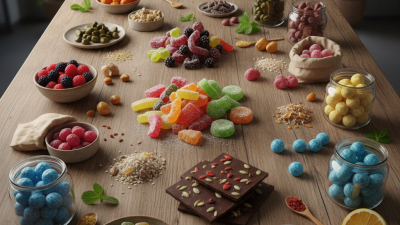
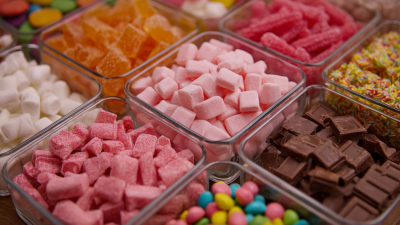
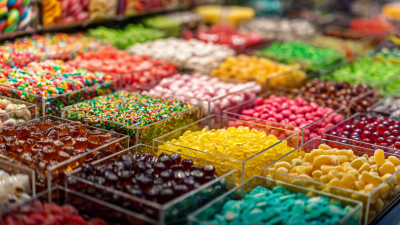
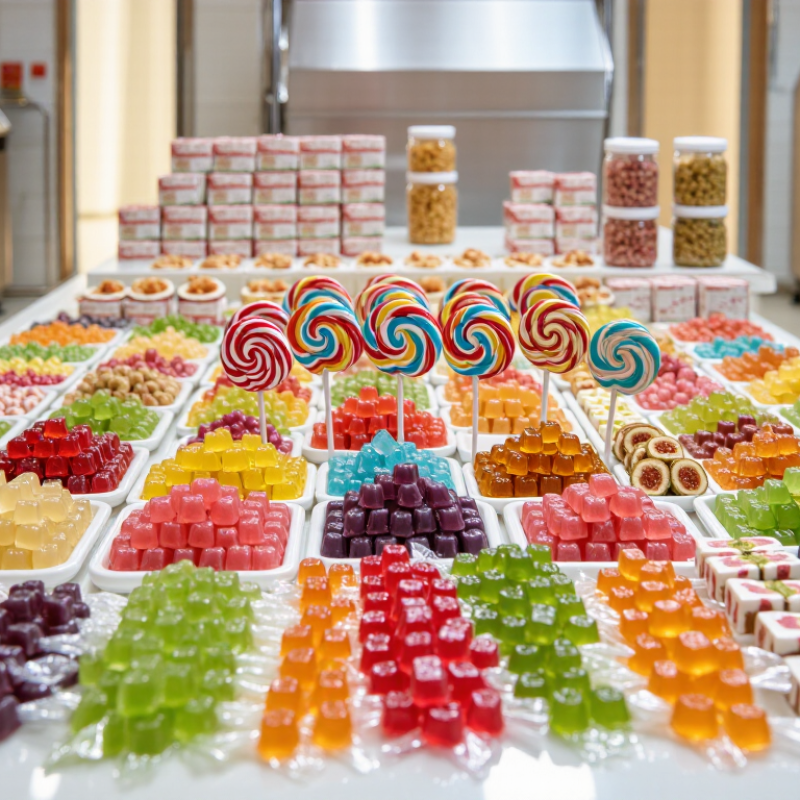
China’s turned into a pretty big sourcing hub for Sweet Candies—think hard candies, gummies, lollipops, and filled treats. For global buyers, the appeal is usually pretty clear: flexible production, competitive pricing, and lots of room to play with flavors. That said, those perks don’t come without a catch—you still need to check things carefully.
So, this guide is basically about China’s top Sweet Candies manufacturers—and it’s written from a buyer’s point of view. It’s not just about pretty brochures; it’s about what actually holds up in practice. Things like production experience, ingredient control, factory hygiene, and batch consistency? Yeah, those matter a lot. Buyers should definitely check product samples, allergen statements, lab reports, and traceability records. And packaging? Don’t overlook it. Humidity can mess with texture, and flimsy cartons can give out during long-distance shipping.
Honestly, it's the little details that really matter, you know?
If you're dealing with a reliable manufacturer, they should be upfront about things like production capacity, minimum order quantities, lead times, and how they handle quality control. Certifications? Sure, they can help build trust, but it's still worth checking whether they actually fit your current business needs and the rules in your destination market. And by the way, some buyers will search for “Candies Sweet,” even though the exact product wording can differ from one region to another. Honestly, clear communication goes a long way. It helps stop all those avoidable mix-ups before they even happen—especially when you're dealing with recipes, colors, flavors, and labeling.
Look, no supplier's perfect. Even a factory that's been around for years can run into delays, get slammed during peak season, or bump up against limits in their formula. That's just real life, and honestly, it's worth talking about openly. On the buyer side, you can lower the risk with things like trial orders, clear written specs, pre-shipment inspections, and making sure corrective actions are actually documented. Doing that shows you've been around the block with sourcing—and it helps build partnerships that are a lot more dependable. So when you're looking at the manufacturers covered in this guide, don't just focus on price. It's better to judge them by the evidence they give you, how responsive they are, and whether they stay consistent. And as for Sweet Candies? They should show up looking good, safe, properly labeled, and hold up well all the way from the factory to the final customer.
China’s Candy Market: 2024 Revenue, Volume, and 2024–2029 CAGR
China’s candy market remains a major sourcing base for global buyers in 2024. Public estimates place annual revenue near USD 20 billion, depending on product categories and exchange rates. Reported sales volume is approximately 3 million tonnes, covering hard candies, gummies, toffees, and sugar-free products. These figures vary because some studies include chocolate, while others exclude it.
Market forecasts commonly indicate a 2024–2029 compound annual growth rate of about 4% to 6%. Demand is strongest in convenient snacks, reduced-sugar recipes, and individually wrapped formats. Export buyers should examine both value and volume. A lower unit price can increase shipment weight without improving margins. That detail is easy to miss.
Experienced Chinese manufacturers usually support private-label development, flavor testing, flexible packing, and export documentation. Factory visits can reveal practical differences between catalog claims and production reality. Check batch records, allergen controls, ingredient traceability, and moisture protection before placing large orders. Product samples may look excellent, yet perform poorly after ocean transport. I have seen packaging decisions create avoidable losses. Forecasts also deserve caution, since currency changes, sugar prices, and changing health preferences can alter the market quickly.
China’s HS 1704 Exports: Trade Value, Volume, and Annual Growth Data
China’s HS 1704 exports cover sugar confectionery without cocoa, including many Sweet Candies products. Trade data offers a practical view of China’s supply capacity. Buyers should examine export value, shipment volume, and annual growth together. Value shows market revenue. Volume shows physical movement. Growth shows direction, not guaranteed future demand. This distinction matters when planning contracts, packaging, and inventory.
For reliable analysis, compare customs records across several years, using the same HS classification and currency. A rise in trade value may reflect higher prices rather than more cartons. Freight costs, sugar prices, exchange rates, and destination demand can distort one year’s result. Check unit value by dividing export value by reported weight. The calculation is simple. The interpretation is not.
Experienced importers also inspect monthly patterns, destination concentration, and supplier documentation before selecting manufacturers. A strong annual growth rate can hide seasonal orders or a low starting base. That is easy to miss. Ask manufacturers for batch specifications, ingredient declarations, allergen controls, shelf-life evidence, and export packing details. Public statistics are a screening tool, not final proof. Data can be revised, and databases may report small discrepancies. Verify the latest customs release against actual quotations and shipment terms.
Top Manufacturer Profiles: Capacity, Factory Area, MOQ, and Lead Times
China Top Sweet Candies Manufacturers for Global Buyers
When evaluating Sweet And Candies suppliers in China, buyers should compare production capacity, factory area, MOQ, and lead times. A medium-sized factory may produce 10 to 30 tons monthly, with facilities covering 3,000 to 8,000 square meters. Larger plants can exceed 100 tons monthly and operate several molding or wrapping lines. Factory size matters, but it does not prove consistent quality.
Typical MOQs range from 500 kilograms for standard items to 5,000 kilograms for customized packaging. Some manufacturers accept mixed flavors within one order. Others require separate quantities for each color, shape, or wrapper. Ask for a written MOQ sheet. Verbal promises can become expensive surprises.
Standard products may ship within 15 to 25 days after artwork approval. Custom molds, printed bags, or seasonal production can extend lead times to 35 or 60 days. A capable supplier should provide batch records, production photos, and recent export experience. Request evidence. A factory tour, live video inspection, or independent audit can reveal storage conditions and actual equipment. These checks may feel excessive, yet they often prevent delays. Capacity figures are usually estimates, not guarantees. Weather, packaging shortages, and peak holiday demand can change schedules quickly.
Product Categories: Hard Candy, Gummies, Lollipops, Toffee, and Sugar-Free Sweets
China’s confectionery manufacturers serve global buyers with a broad product range, from hard candy to soft gummies. Hard candy usually offers long shelf stability and precise flavor release. Buyers should check cooking temperature control, wrapping quality, and resistance to humidity during shipping.
Gummies require careful attention to texture, gelatin or pectin selection, and color stability. A reliable factory should provide ingredient specifications, allergen controls, batch records, and laboratory test reports. Lollipops need firm sticks, smooth surfaces, and secure packaging. Small production details matter. A loose stick can create a serious quality concern.
Toffee depends on controlled heating, because slight temperature changes affect chewiness and caramel flavor. Sugar-free sweets need suitable sweeteners and clear consumer labeling. Some formulas may cause digestive discomfort when eaten excessively, so testing and accurate warnings remain important. Experienced manufacturers often support sample approvals, pilot production, and traceability checks. Buyers should still verify certificates and independent test results. No factory is perfect. Even strong suppliers can face seasonal ingredient changes, packaging delays, or inconsistent texture. Regular inspections, written specifications, and retained samples help reduce these risks for international orders.
Quality Benchmarks: HACCP, ISO 22000, BRCGS, FDA, and EU Compliance
China’s Top Gummy Candies manufacturers increasingly compete through documented food-safety controls, not colorful packaging alone. Global buyers should request current HACCP plans, ISO 22000 certificates, BRCGS audit results, and export records. These documents should match the actual production site.
The World Health Organization estimates that unsafe food causes 600 million illnesses and 420,000 deaths annually. That figure gives gummy production a serious human context.
A reliable factory controls syrup temperature, pH, allergens, metal detection, and cooling-room hygiene. Operators should record each batch, not merely sign a checklist later. ISO 22000 links hazard analysis with continual improvement, while HACCP identifies critical points before candies reach cartons. BRCGS audits add requirements for site security, traceability, and corrective actions. Strong suppliers can trace one gummy batch from glucose delivery to pallet dispatch within hours.
FDA requirements matter for United States shipments, including preventive controls, sanitation, labeling, and facility registration. EU buyers should check Regulation (EC) No 852/2004, allergen declarations, additives, and contaminant controls. Codex Alimentarius guidance provides a useful international baseline.
Yet certificates can expire, and audits may miss seasonal pressure. That weakness deserves attention.
Buyers should conduct video or on-site reviews, test samples independently, and confirm recent nonconformities. A clean document package helps, but practical evidence builds trust.
Supplier Comparison: Unit Cost, Production Capacity, MOQ, and Private-Label Options
China remains a practical sourcing base for global candy buyers, especially for hard candy, gummies, lollipops, and Toy Sweet designs. Grand View Research valued the global confectionery market at approximately USD 242.5 billion in 2023, with continued growth expected through 2030. That expansion increases pressure on buyers to compare suppliers beyond factory quotes.
Indicative sourcing benchmarks place standard hard candy near USD 1.20–2.80 per kilogram at larger volumes. Gummies often range from USD 2.00–4.50 per kilogram because gelatin alternatives, molds, and fruit flavors raise costs. Small and mid-sized factories commonly report monthly capacities of 10–50 tons. Larger facilities may exceed 100 tons, but capacity claims need verification. Ask for recent production records, not attractive brochures. That matters.
MOQ usually starts around 500–1,000 kilograms for standard packaging and reaches 3,000–5,000 kilograms for custom shapes. Private-label projects may require separate mold charges, artwork preparation, and packaging plates. Typical tooling fees can range from USD 300–2,000, depending on design complexity. A supplier offering unusually low unit costs may recover margin through packaging, testing, or shipping fees. I have seen buyers overlook these details. Certification scope, allergen controls, batch traceability, and moisture testing should be checked before signing. For Toy Sweet products, confirm shape consistency and packaging safety through documented samples, not verbal assurances.
Global Buyer Due Diligence: Audit Scores, Defect Rates, Samples, and Delivery KPIs
China Top Sweet Candies Manufacturers for Global Buyers
A serious supplier review should begin with factory evidence, not attractive product photos. Request a recent third-party audit report, production license details, and a corrective-action record. Check whether the audit score covers hygiene, traceability, worker safety, and process control.
Defect rates need clear definitions. Ask for the last twelve months of inspection data, including broken pieces, incorrect packaging, flavor variation, and foreign-material findings. A supplier reporting only “less than 1%” is not enough. Confirm the sampling method, batch size, and acceptance standard. Review sealed samples from several production lots. Taste, texture, color, weight, and wrapper strength can change between samples and mass production.
Samples should be approved in writing, with photographs and measurable specifications. Delivery performance also deserves close attention. Compare promised dates with actual shipment records across at least six orders. Track on-time delivery, production lead time, carton accuracy, and response time after changes. A factory may score well during an audit yet struggle during peak seasons. That gap matters. My own review process once relied too heavily on one successful sample; later checks revealed weaker sealing on larger runs. A better approach is to combine audit findings, independent inspections, retained samples, and shipment data before approving regular orders.
China Top Sweet Candies Manufacturers for Global Buyers - Global Buyer Due Diligence: Audit Scores, Defect Rates, Samples, and Delivery KPIs
Anonymized supplier-comparison framework for buyer due diligence. The figures below are structured benchmark examples and should be replaced with independently verified audit reports, inspection records, approved samples, and shipment data before commercial decisions are made.
| Anonymous Supplier ID |
Product Focus |
Latest Audit Score
(/100) |
Critical Findings |
Pre-Shipment Defect Rate
(%) |
Sample Lead Time
(Business Days) |
Production Lead Time
(Calendar Days) |
On-Time Delivery
(Last 12 Months) |
Minimum Order Quantity
(Cartons) |
Corrective Action Closure |
Due-Diligence Status |
| Supplier A |
Hard candy, lollipops, filled candy |
92 |
None classified as critical |
0.42% |
7 |
28 |
96.4% |
500 |
100% closed within 30 days |
Low Risk |
| Supplier B |
Gummy candy, jelly sweets |
88 |
Minor allergen-control documentation gap |
0.68% |
8 |
30 |
94.8% |
800 |
Corrective action verified |
Low Risk |
| Supplier C |
Mint candy, compressed candy |
85 |
Minor pest-monitoring record inconsistency |
0.74% |
6 |
25 |
93.7% |
600 |
Closed after follow-up review |
Low Risk |
| Supplier D |
Toffee, caramel, soft candy |
81 |
Two major traceability observations |
1.12% |
10 |
32 |
91.5% |
1,000 |
75% closed; re-audit recommended |
Review Required |
| Supplier E |
Chocolate-coated candy, compound sweets |
90 |
Minor calibration record gap |
0.51% |
9 |
29 |
95.2% |
700 |
100% closed within 30 days |
Low Risk |
| Supplier F |
Functional candy, vitamin candy |
78 |
Major documentation and change-control gaps |
1.46% |
12 |
36 |
88.9% |
1,200 |
50% closed; corrective plan open |
High Monitoring |
| Supplier G |
Sugar-free candy, reduced-sugar sweets |
87 |
Minor label-review workflow observation |
0.63% |
8 |
31 |
93.1% |
900 |
Corrective action verified |
Low Risk |
| Supplier H |
Custom-molded candy, promotional sweets |
83 |
Minor capacity-planning observation |
0.97% |
11 |
35 |
90.8% |
1,000 |
Corrective action in progress |
Review Required |
Measurement notes:
Audit scores are shown on a 100-point scale; defect rate means non-conforming units identified during pre-shipment inspection; on-time delivery means shipments dispatched by the contract date; sample and production lead times are expressed in business days and calendar days respectively. Supplier identities and figures require buyer-side verification through current certifications, factory audits, laboratory testing, approved golden samples, and shipment records.
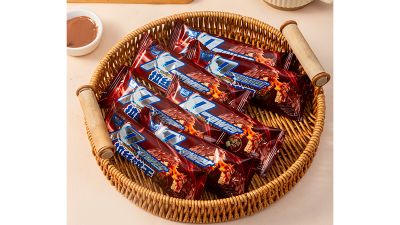
Irresistible Chocolate-Coated Brushed Biscuits for Satisfying Every Sweet Craving
Indulge in an irresistible treat created to satisfy every sweet craving: a delicate milk-flavored biscuit wrapped in a rich, smooth chocolate coating. Each bite combines the crisp texture of the biscuit with the creamy sweetness of chocolate, creating a balanced snack for chocolate lovers, families, office breaks, and convenient everyday enjoyment. The chocolate layer helps seal in the biscuit’s freshness, supporting a longer shelf life while preserving its satisfying crunch.
Each individually packaged biscuit weighs 28 grams, making it easy to carry, share, or enjoy whenever a sweet moment calls. Every box contains 20 biscuits, while each carton includes 12 boxes, offering a practical solution for retailers, distributors, and food-service suppliers. Packaging bags, boxes, and outer cartons can be customized at no additional design charge according to the customer’s logo and product information, helping create a distinctive presentation. With its appealing combination of milk biscuit and chocolate coating, this snack is well suited to displays, gift selections, vending areas, and daily refreshment occasions.
FAQS
Medium factories may produce 10 to 30 tons monthly. Larger facilities can exceed 100 tons. Capacity figures are estimates, not guarantees.
No. A large site may still have weak process control. Check batch records, equipment, hygiene, and recent inspection results.
Standard products may require about 500 kilograms. Customized packaging can require up to 5,000 kilograms. Mixed flavors may need written approval.
Standard products often ship within 15 to 25 days after artwork approval. Custom molds and seasonal orders may need 35 to 60 days.
Request production photos, batch records, export history, and a written quality specification. A live video inspection can reveal storage problems.
Ask for current food-safety plans, site audit reports, traceability records, and corrective-action documents. Certificates can expire. Verify their issuing sites and dates.
Approve samples in writing, with photos and measurable specifications. Test flavor, texture, color, weight, sealing, and wrapper strength across several lots.
Compare promised and actual shipment dates across at least six orders. Track lead time, carton accuracy, change response, and seasonal delays.
Ask for twelve months of inspection data. Include broken pieces, incorrect packaging, flavor changes, and foreign-material findings. “Below one percent” is too vague.
Relying on one successful sample can hide larger-run problems. I made that mistake once. Later checks found weaker sealing on full production.
Conclusion
This guide to China’s Sweet Candies manufacturing sector provides global buyers with a practical overview of market development, including 2024 revenue and volume trends, projected growth from 2024 to 2029, and export performance under HS 1704. It also explains how to evaluate manufacturers by factory capacity, production area, minimum order quantity, lead time, and private-label flexibility.
The article compares hard candy, gummies, lollipops, toffee, and sugar-free sweets while outlining important quality benchmarks such as HACCP, ISO 22000, BRCGS, FDA, and EU compliance. Buyers will also find a structured approach to comparing unit costs, production capabilities, sampling procedures, audit results, defect rates, and delivery performance. By combining commercial, operational, and quality considerations, this guide helps importers identify dependable suppliers and make informed sourcing decisions for different markets and product requirements.