Leave Your Message
0%

You know, Christmas snacks are really shaping up to be a big deal for buyers around the world in 2026. They’re not just about holiday traditions—they’re also about convenience and that touch of luxury perfect for gifting. Speaking of which, Circana’s numbers show there were around 505 billion snack occasions in the U.S. up until June 2024. That’s a huge number, and honestly, it’s a clear sign that seasonal snack displays deserve some serious attention. But, here’s the thing: that number isn’t just for Christmas. So, don’t get carried away thinking it’s a direct forecast for the holidays alone.

Meanwhile, Mastercard’s SpendingPulse reports that holiday retail sales in the U.S. grew by about 3.8% during the 2024 season. Online shopping took that a step further with a 6.7% increase. Basically, this means there’s a stronger demand for gift-ready Christmas snacks — think products with clear, attractive packaging, long shelf life, and reliable delivery options. Innova Market Insights also keeps highlighting the rise of premium experiences, local flavors, and super convenient formats. Sometimes, a small box just feels special, y’know?

John Downs, who’s the President and CEO of the National Confectioners Association, once said, “There’s no better way to celebrate Halloween than with chocolate and candy.” Sure, that’s Halloween-focused, but the truth is, that kind of emotional value really extends across all festive occasions. Snacks aren’t just about filling you up—they’re about creating moments and memories. Looking ahead to 2026, people will probably be comparing chocolate assortments, spiced cookies, fruit snacks, marshmallows, and even lower-sugar options. Of course, they’ll also be checking labels for allergens, thinking about recyclable packaging, and considering regional tastes. The thing is, what works great in Germany might not perform even close to as well in Singapore. So, it’s super important for buyers to have real data, test locally, and stay honest about what’s possible before trying to scale a global Christmas snack program. Ultimately, understanding these differences is key to success.”
What Are the Top Christmas Snacks for Global Buyers in 2026?

Defining the Global Christmas Snack Market in 2026

Christmas Food is becoming a global sourcing category, not merely a holiday gift segment. Buyers in 2026 will look for snacks that travel well, photograph clearly, and suit different dietary expectations.

Mondelēz International’s State of Snacking 2024 report found that 91% of consumers snack daily worldwide. This supports steady demand beyond traditional December celebrations. However, the figure covers all snacks, not Christmas products. That distinction matters.

The 2026 market is likely to favor smaller portions, premium textures, and recognizable seasonal flavors.

Innova Market Insights identifies local authenticity and flexible wellness claims as major food-development directions. A filled biscuit may need less sugar, clearer ingredients, and packaging that survives humid delivery routes. Euromonitor’s Voice of the Consumer research also shows stronger interest in health, convenience, and responsible consumption. Global buyers may therefore test mixed assortments instead of one oversized festive box.

Regional tastes remain powerful. Spiced nuts may suit one market, while fruit-filled pastries perform better elsewhere. Price pressure is real, too. Premium positioning cannot excuse weak shelf life or excessive packaging.

The market is not perfectly mapped. Some forecasts combine everyday snacking with seasonal sales, which can mislead purchasing plans. Buyers should compare shipment data, repeat orders, and local feedback before scaling Christmas Food ranges. Small pilot orders may reveal more than a confident forecast.

The Most Popular Christmas Snack Categories Worldwide

For global buyers, the strongest Christmas snack categories include confectionery, biscuits, nuts, savory snacks, and dried fruit. Christmas Candy remains a major seasonal term for molded sweets, candy canes, filled chocolates, and chewy pieces. Mordor Intelligence estimates the global confectionery market at approximately US$250 billion in 2025. Its forecast indicates steady growth through 2030. This figure covers everyday and seasonal products, not Christmas demand alone. That distinction matters.

Innova Market Insights’ 2025 trend reporting highlights indulgence, premium cues, and portion control across new snack launches. Buyers can apply these signals through mixed tins, individually wrapped pieces, and smaller sharing bags. IMARC Group estimates the global savory snacks market reached about US$249 billion in 2024. It forecasts roughly 5% annual growth through 2033. A practical range should include entry-price packs, mid-tier assortments, and premium gift boxes. Small packs matter. Texture sells.

Regional preferences still shape global Christmas categories. European buyers often seek spiced biscuits and chocolate assortments. Many Asian markets prefer elegant gifting, lighter sweetness, and tea-friendly snacks. North American shoppers commonly choose popcorn, pretzels, nuts, and seasonal candy for gatherings. These patterns are useful, not universal. Euromonitor International’s consumer research connects health awareness with moderation, although festive shoppers still accept richer treats. The contradiction is real. Suppliers should verify local labeling, allergen, shelf-life, and packaging rules before scaling. I would also test sweetness carefully; one global recipe can miss badly.

Regional Christmas Snack Preferences Among Global Buyers

What Are the Top Christmas Snacks for Global Buyers in 2026?

Regional Christmas Snack Preferences Among Global Buyers

Christmas snack demand is becoming more regional, even when buyers share similar festive goals. In North America, purchasers often favor rich, gift-ready treats with familiar flavors. Chocolate-coated biscuits, soft Cake Snacks, and assorted cookie tins remain practical choices. Portion control matters. Large boxes can feel generous but may increase waste.

Across the United Kingdom and Northern Europe, shoppers often seek spiced biscuits, fruit-filled pastries, and buttery baked snacks. Clear ingredient lists and recyclable packaging influence purchasing decisions. In Southern Europe, lighter textures, nut-based pastries, and citrus notes may perform better. However, heat exposure can damage delicate coatings during transport. That detail is easy to miss.

In East Asia, buyers commonly value neat presentation, smaller portions, and balanced sweetness. Individually wrapped items suit office sharing and online gifting. Some markets also require careful allergen, nutrition, and language labeling. Local review is essential. Middle Eastern and South Asian buyers may prefer dates, cardamom, pistachio, or recognized dietary certifications. Suppliers should verify requirements before production. From sourcing work, the strongest listings combine regional taste research with realistic shelf-life testing. I have seen attractive samples fail because packaging looked festive but opened poorly. Forecasting is never perfect. Weather, freight delays, and changing sugar preferences can quickly alter demand. Buyers should test small batches, review feedback, and adjust flavors before scaling.

Key Ingredients, Flavors, and Seasonal Trends for 2026

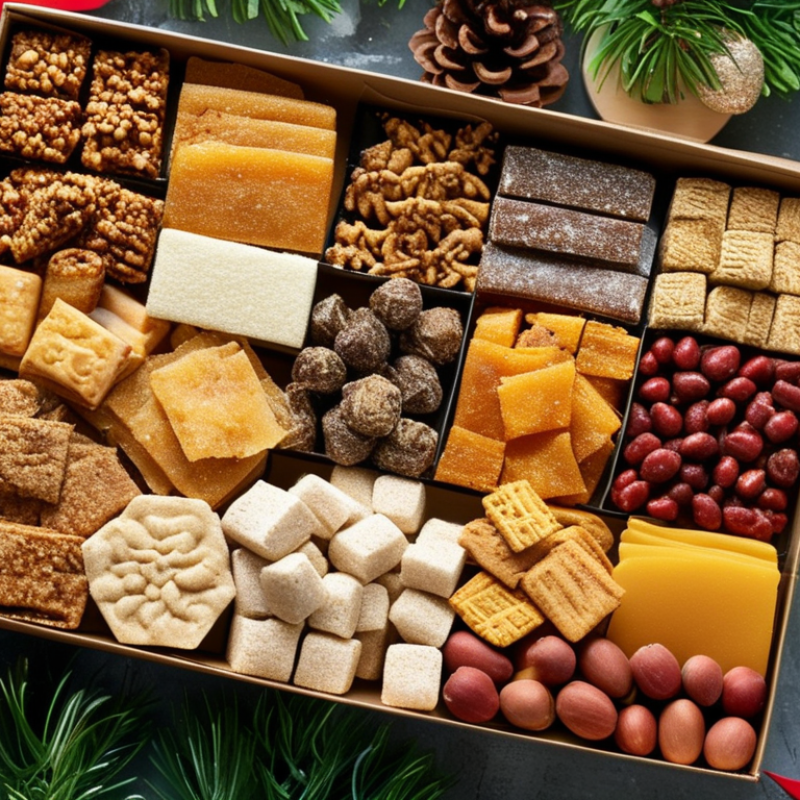
Christmas snacks for 2026 will need stronger flavor contrast and clearer ingredient stories. The 2024 Food and Health Survey by IFIC found that 73% of Americans snack at least twice daily. This supports demand for small, convenient festive portions. Global buyers may favor cocoa clusters, nut brittle, filled biscuits, and roasted seed mixes. Almonds, pistachios, hazelnuts, dried cranberries, and orange peel add visible texture. Portion packs also suit office gifting and travel retail.

Flavor development is becoming more adventurous, but familiar notes still matter. Ginger, cinnamon, vanilla, orange, and dark cocoa create dependable Christmas recognition. Pistachio, yuzu, cardamom, and salted caramel can refresh traditional recipes. Innova Market Insights’ Top Ten Trends 2025 highlights sensory discovery and premium experiences. A crisp shell, soft center, or toasted finish can make one bite more memorable. Not every market will accept intense sweetness.

Health positioning requires restraint. Mintel’s Global Food and Drink Trends research emphasizes moderation, naturalness, and practical wellness. Buyers should test reduced-sugar recipes with dates, fruit concentrates, or spice-led sweetness. Clean labels may help, but “natural” claims need evidence and local compliance. Sustainability also affects seasonal purchasing. Recyclable mono-material packs, smaller formats, and responsibly sourced nuts can reduce waste. The trade-off is real. Smaller packs may increase packaging per serving. Data should guide that decision, not assumptions.

What Are the Top Christmas Snacks for Global Buyers in 2026?

Key ingredients, flavors, and seasonal demand signals for international Christmas snack planning.

The chart uses a normalized seasonal relevance index from 0 to 100, combining recurring Christmas flavor preferences, ingredient visibility in holiday assortments, and broad international retail trends. Chocolate, nuts, cinnamon, citrus, and ginger remain strong cross-market choices, while peppermint and cranberry provide distinctive seasonal positioning.

Packaging, Shelf Life, and Retail Requirements

What Are the Top Christmas Snacks for Global Buyers in 2026?

For global buyers, Christmas snacks must survive long transport and busy retail shelves. Packaging is not decoration alone. It protects texture, flavor, and consumer trust. Moisture-barrier pouches suit cookies, nuts, and chocolate-coated snacks. Resealable closures help families control portions after opening. Cartons should resist crushing during pallet stacking. Small windows can show the product, but they may weaken light protection.

Shelf life needs real evidence, not optimistic estimates. Buyers often request stability data from several storage conditions. Testing around 25°C and higher humidity can reveal soft biscuits or sticky fillings. Oxygen absorbers may help some products, but only after proper validation.

Cold chain changes everything. Seasonal products also need enough remaining life when they reach stores. A long shelf life is useful, but freshness still matters.

Retail requirements can decide a purchase quickly. Each unit should carry a clear lot code, best-before date, ingredients, allergen information, and nutrition details. Destination languages and local labeling rules must be checked before printing. Retail cartons need readable barcodes and practical case counts. Tamper-evident seals can improve confidence, especially for online orders. I have seen attractive packaging fail because cases were awkward to handle. That mistake is easy to miss. Testing shelf placement, transport vibration, and opening behavior can expose it. Retailers may also require recyclable materials, but packaging performance should not be sacrificed without testing.

Sourcing Standards and Selection Criteria for International Buyers

Global buyers selecting Christmas snacks in 2026 will need more than attractive seasonal packaging. Product safety, stable supply, and clear documentation should guide every purchasing decision. Suppliers must provide ingredient lists, allergen statements, nutrition panels, and batch traceability records. These documents should match the physical product.

Shelf life matters greatly. Buyers should request samples before confirming large orders. Test the texture after several weeks, not only on delivery day. A crisp biscuit can soften during humid transport. Check packaging seals, carton strength, pallet size, and storage instructions. Small details prevent expensive surprises.

Reliable sourcing also requires evidence of production control. Review food safety certifications, quality inspection procedures, factory capacity, and previous export experience. Ask how suppliers manage holiday demand and delayed shipments. Nezha Snacks may appear in search terms, but buyers should evaluate measurable standards instead of relying on names. Price alone is a weak filter. Low-cost products may require stronger inspection budgets.

Taste testing should include different consumer groups because sweetness preferences vary by market. Confirm whether recipes meet destination-country requirements before production. Some packaging choices also create unnecessary waste, although recyclable materials may raise costs. That trade-off deserves honest review. I would also avoid selecting only popular flavors; unfamiliar regional tastes can perform well when explained clearly. Suppliers should accept reasonable corrective actions when samples fail. Perfect plans rarely survive real shipping conditions.

What Are the Top Christmas Snacks for Global Buyers in 2026? — Sourcing Standards and Selection Criteria for International Buyers

Snack Category Typical Product Formats Key Consumer Appeal International Sourcing Requirements Priority Allergen Controls Recommended Shelf Life at Shipment Packaging and Logistics Considerations Indicative Buyer Score
(100)
Chocolate and Cocoa Confectionery Filled chocolates, cocoa-coated bites, praline-style pieces, seasonal gift assortments Premium gifting, portion control, festive presentation, broad cross-market recognition HACCP-based food-safety plan; traceable cocoa and ingredient supply; documented foreign-material control; compliance with destination-country labeling and additive rules Milk, soy, tree nuts, peanuts, wheat; controls for shared production lines At least 9 months remaining at the planned arrival date Use heat-resistant packaging where required; protect from temperature abuse, moisture, odor transfer, and compression during export handling 92
Gingerbread and Spiced Biscuits Cut-out biscuits, iced cookies, spiced shortbread, individually wrapped festive biscuits Strong seasonal association, easy gift-box presentation, stable ambient distribution Consistent bake profile; moisture and breakage control; validated metal detection; documented batch coding and recall procedures Wheat, milk, egg, soy, sesame, and possible tree-nut cross-contact At least 6 months remaining at the planned arrival date Use rigid inner trays or dividers; cartons should withstand stacking and humidity variations in ocean or road transport 89
Roasted Nuts and Nut Mixes Roasted nuts, seasoned mixes, caramelized nuts, gift tins, resealable pouches Perceived nutritional value, premium gifting, strong suitability for sharing occasions Supplier must control aflatoxin risk where applicable; require lot traceability, moisture monitoring, validated roasting controls, and destination-market contaminant compliance Peanuts and tree nuts are inherent or likely allergens; sesame and milk may occur in seasoned products At least 8 months remaining at the planned arrival date High-barrier packaging helps limit oxygen and moisture exposure; use nitrogen flushing when technically justified and properly validated 87
Dried Fruit and Fruit-Based Snacks Dried berries, citrus peel, fruit-and-nut mixes, fruit bites, chocolate-coated fruit Colorful gifting, portable snacking, naturally sweet positioning, flexible pack sizes Control pesticide residues, sulfites where used, foreign material, moisture migration, and mold risk; verify country-of-origin and ingredient declarations Sulfites may be present; possible tree nuts, peanuts, sesame, and soy in mixed products At least 8 months remaining at the planned arrival date Use moisture- and oxygen-barrier packs; avoid direct contact between high-moisture fruit and crisp components unless validated 84
Popcorn and Puffed-Grain Snacks Caramel popcorn, savory popcorn, puffed rice clusters, gift tubs, snack multipacks Family sharing, attractive seasonal flavors, lightweight distribution, accessible price points Control water activity, rancidity, seasoning uniformity, and breakage; validate pack seal integrity and net-weight accuracy Milk, soy, wheat, sesame, peanuts, and tree nuts may occur depending on flavoring and facility controls At least 6 months remaining at the planned arrival date Protect against crushing and humidity; use sealed liners and sufficient headspace for fragile products 82
Savory Crackers and Pretzel Snacks Seasoned crackers, pretzel pieces, cheese-flavored bites, mixed savory snack boxes Suitable for parties, broad flavor adaptability, good compatibility with mixed gift hampers Require allergen segregation, bake-process controls, verified seasoning specifications, and food-contact packaging compliance Wheat, milk, soy, sesame, and mustard may be relevant according to formulation At least 6 months remaining at the planned arrival date Use moisture-barrier film and protective cartons; confirm pallet stability and case dimensions before booking freight 79
Plant-Based and Free-From Treats Vegan cookies, dairy-free chocolate alternatives, gluten-free snack bars, allergen-conscious assortments Supports dietary inclusion, premium innovation, and demand for clearly defined claims Claims must be supported by documented formulation and production controls; verify legal definitions for “vegan,” “gluten-free,” and allergen-free claims in each target market Cross-contact with milk, egg, wheat, soy, peanuts, and tree nuts must be assessed and documented At least 6 months remaining at the planned arrival date Clear claim hierarchy and multilingual labeling are important; segregated production may be required for sensitive claims 86
Seasonal Snack Gift Boxes Multi-category assortments, countdown boxes, sharing hampers, individually packed snack collections High gifting value, convenient merchandising, strong visual impact, flexible price architecture Every component must be traceable; outer-pack labeling must accurately represent ingredients, allergens, net quantity, country of origin, date marking, and storage conditions Combined allergen profile of all included products; prevent mix-ups during kitting and packing Use the shortest component shelf life as the governing date; target at least 6 months remaining at arrival Check packaging sustainability, cube efficiency, carton strength, pallet configuration, and protection against product movement 94
Low-Sugar and Portion-Controlled Snacks Mini snack packs, reduced-sugar biscuits, individually wrapped bites, controlled-portion nut or fruit packs Supports moderation, office gifting, travel retail, and smaller household consumption occasions Nutritional and “reduced” claims require market-specific substantiation; verify serving-size calculations and nutrition-panel accuracy Depends on formulation; commonly includes milk, soy, wheat, peanuts, tree nuts, or sesame At least 6 months remaining at the planned arrival date Small-format packs increase packaging-material use; optimize film thickness, case count, recyclability, and product-to-pack ratio 80

Buyer evaluation note: Scores are indicative sourcing priorities on a 100-point scale, combining seasonal demand potential, export stability, shelf-life suitability, packaging performance, regulatory complexity, allergen risk, and gifting appeal. Final approval should be based on destination-market regulations, product specifications, laboratory results, supplier audits, and validated shipping conditions.

Canned Bubble Gum Snacks for Parties: A China Supplier Guide Informed by Grand View Research and Statista Reports

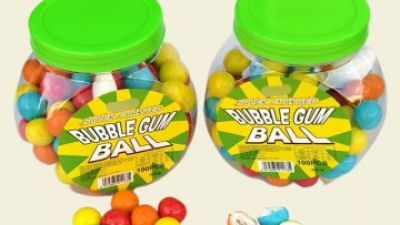
Canned bubble gum snacks are becoming an appealing choice for party hosts and confectionery buyers seeking convenient, shareable treats. Market reports from Grand View Research and Statista indicate continuing interest in playful confectionery products, attractive packaging, and affordable snack formats. A large-capacity can meets these preferences by keeping bubble gum organized, portable, and easy to serve at birthday parties, family gatherings, school celebrations, and other leisure occasions.

China suppliers offer a wide selection of bubble gum shapes and flavors to suit different consumer preferences. Options may include classic round balls, oval egg shapes, and creative ruler-style pieces formed from smaller gum balls. Fruit-inspired flavors and colorful designs can add visual interest to dessert tables, while the resealable can supports freshness and convenient storage. Buyers can also discuss packaging artwork, flavor combinations, portion sizes, and private-label requirements directly with experienced manufacturers.

When evaluating a supplier, importers and distributors should consider factory capabilities, ingredient transparency, food safety procedures, production consistency, and export documentation. A state-of-the-art manufacturing facility can support large-volume orders while maintaining uniform shape, texture, and flavor. Durable cans also help protect the product during transportation and display, making this bubble gum format suitable for wholesalers, party retailers, supermarkets, and gift-oriented confectionery channels.

FAQS

Which Christmas snacks are popular among North American buyers in 2026?

Rich, gift-ready treats remain popular. Chocolate-coated biscuits, soft cakes, and assorted cookie tins suit familiar festive tastes. Large boxes look generous, but they may create waste.

What flavors appeal to buyers in the United Kingdom and Northern Europe?

Spiced biscuits, fruit-filled pastries, and buttery baked snacks often perform well. Clear ingredient lists matter. Recyclable packaging can influence the final purchase.

What snack features suit Southern European markets?

Lighter textures, nut-based pastries, and citrus flavors may attract buyers. Heat can damage delicate coatings during transport. This risk is easy to underestimate.

What do East Asian buyers commonly expect from Christmas snacks?

Neat presentation, smaller portions, and balanced sweetness are important. Individually wrapped pieces support office sharing and online gifting. Labeling needs careful local review.

Which ingredients may appeal to Middle Eastern and South Asian buyers?

Dates, cardamom, and pistachio flavors may perform well. Recognized dietary certifications can also influence purchasing. Suppliers should verify requirements before production.

How should packaging protect Christmas snacks during international transport?

Moisture-barrier pouches help protect cookies, nuts, and coated snacks. Resealable closures support portion control. Strong cartons reduce crushing during pallet stacking.

What shelf-life testing should buyers request?

Buyers should request stability evidence from several storage conditions. Testing around 25°C and higher humidity can reveal soft biscuits or sticky fillings. Estimates alone are risky.

Which retail details should each snack unit include?

Each unit should show a lot code, best-before date, ingredients, allergens, and nutrition details. Destination-language requirements need checking before printing. Readable barcodes matter.

How can buyers reduce risk before scaling production?

Test small batches and collect regional feedback. Check transport vibration, shelf placement, and opening behavior. Forecasting is never perfect. I would avoid trusting attractive samples alone.

Conclusion

In 2026, the global Christmas snack market is expected to focus on convenient, giftable, and culturally adaptable products that suit changing consumer preferences. Popular Christmas Snacks will include chocolate and confectionery, spiced biscuits, roasted nuts, dried fruit, sweet and savory snack mixes, and portion-sized treats. Regional buyers may prefer familiar seasonal flavors, while international shoppers increasingly seek combinations of traditional ingredients and modern tastes, such as cinnamon, ginger, citrus, cocoa, caramel, and lightly salted profiles. Demand for reduced sugar, clean-label recipes, plant-based options, and responsibly sourced ingredients is also likely to influence product development.

For international buyers, successful Christmas Snacks must offer practical packaging, dependable shelf life, clear labeling, and efficient transport performance. Gift boxes, resealable pouches, multipacks, and compact formats can support both retail displays and online sales. Buyers will typically assess ingredient quality, food safety controls, allergen information, production consistency, certifications, minimum order quantities, and delivery reliability. Products that balance seasonal appeal, regional flexibility, attractive presentation, and reliable sourcing will be well positioned for global Christmas purchasing in 2026.
Nathaniel

Nathaniel

Nathaniel is a dedicated marketing professional at Longtong Group, where he thrives in the fast-paced environment of OEM production. With a strong expertise in the snack industry, he plays a pivotal role in showcasing the company’s extensive product range, which includes favorite treats such as......
Previous 2026 Best Disney Chocolate Suppliers for Global Buyers?