Leave Your Message
0%

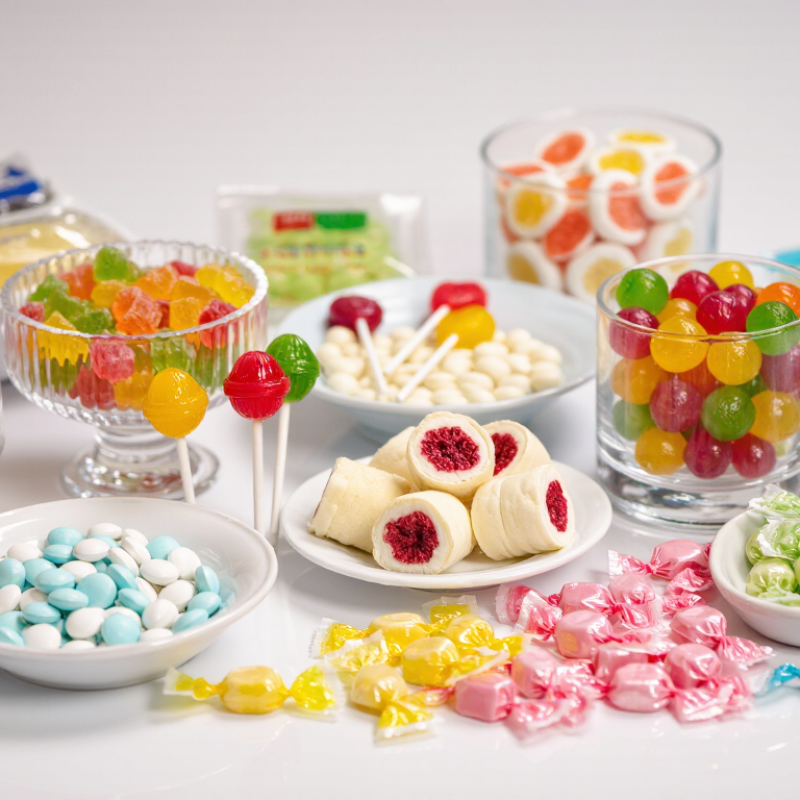
You know, Hard Candy is way more than just a bright wrapper. Sure, that shiny packaging catches your eye, but there's a whole lot going on underneath. Buyers around the world come across everything from classic fruit drops, lollipops, sour pieces, and mint discs, to filled centers and sugar-free varieties. Each format really does change the game—flavor, size, texture, packaging, production, all of it. A crisp lemon drop and a slow-dissolving mint, for example, are two totally different experiences depending on the occasion. It's those little details that end up mattering the most.

Alright, this guide walks you through ten widely recognized types and what actually matters when you're comparing them. Grab some samples and check things like flavor consistency, surface finish, hardness, and how cleanly each piece comes out of its wrapper. Also, don't skip the paperwork—go over ingredient declarations, allergen info, packaging specs, and shelf-life documentation with your supplier. One thing to keep in mind: requirements can change depending on where you're shipping to, so double-check the applicable standards before placing your order. Look, a product sheet can only tell you so much. It won't show how your candy's going to hold up in a hot warehouse or after bouncing around in a truck for days. So test it. I know, sounds obvious. But when you're slammed and deadlines are looming, that's the first thing to fall through the cracks.

Reliable sourcing isn't just about who you know—it's about being clear on things like minimum order quantities, customization, production capacity, and quality checks. So ask the supplier straight up: how do you monitor batches, and what documentation can you share? And don't be surprised if some answers come across a bit rough. That's worth paying attention to, not brushing aside. There's no single candy that works for every market, either. Local tastes, where you're selling, and your price point all matter. The whole point here is to help you ask sharper questions and compare your options with a bit more care.
Top 10 Hard Candy Types for Global Buyers

How Hard Candy Is Defined, Cooked, and Classified

Hard candy is a sugar confectionery cooked until its syrup sets into a firm, glass-like solid. The texture comes from removing most of the water, not from adding a hardening ingredient. USDA FoodData Central lists a generic hard-candy entry at about 394 kilocalories per 100 grams. That figure describes energy, not quality or recipe composition.

Production starts with sugar, glucose syrup, and water. The mixture is heated, often to roughly 149–154°C, the hard-crack stage used in confectionery making. Temperature readings can shift with altitude and recipe. After cooking, makers add flavors or colors, then deposit, pull, or shape the syrup as it cools. Timing matters. A brief delay can make the mass harder to form; excess moisture can leave finished pieces sticky. The process sounds exact. In practice, it needs close control.

Buyers can classify hard candies by shape and construction: clear drops, lollipops, pulled pieces, or centers enclosed by a hard shell. Filled sweets need a shell that stays intact during cooling and packing. The boundaries are not always tidy; recipes and trade descriptions vary by market. The phrase “Hard And Candy” may appear in sourcing searches, but buyers should confirm what a supplier means by it. For technical context, confectionery references such as A. J. B. Edwards’ Sugar Confectionery Manufacture describe cooking and forming methods; USDA FoodData Central provides a separate check on food-composition data.

Classic Drops, Boiled Sweets, and Fruit Disks

Classic drops, boiled sweets, and fruit disks give global buyers three practical ways to build a hard-candy range. Drops suit compact packs and mixed-flavor assortments. Their rounded shape also travels well in jars or small bags. Boiled sweets are usually larger, with a firm, glassy snap and a longer dissolving time. Fruit disks add color and a clear flavor cue; a red disk suggests berry or cherry before the wrapper is read. Small details matter. Buyers should check piece weight, wrapper fit, and breakage after transport, not just the sample’s taste.

Grand View Research valued the global sugar confectionery market at USD 53.87 billion in 2023 and projected 4.3% annual growth from 2024 to 2030. The report covers a broader category than hard candy, so it does not prove demand for any single shape. Still, it signals a sizeable confectionery market for suppliers assessing Hard Candy Food opportunities. Flavor consistency and moisture control are especially important: a sticky surface can turn neat fruit disks into a clumped handful. That trade-off is easy to underestimate. Buyers may also want to compare sweetness, acidity, and color across batches, since “fruit” is not one uniform taste profile.

Mint, Butterscotch, and Other Flavor-Led Candies

Mint, butterscotch, and fruit-led hard candies give buyers distinct sensory choices. Mint feels cool and clean; butterscotch brings a warm, buttery note. Lemon and berry options add sharper aromas and brighter colors. For global sourcing, compare sweetness, flavor intensity, piece size, and packaging—not just the flavor name. Hard Candy Variety works best when a core mint or caramel profile sits beside a few regional favorites. Small details matter. A mint candy that tastes refreshing in a sample may feel harsh after several pieces.

The National Confectioners Association’s 2023 State of Treating report found that 82% of Americans agreed chocolate and candy can be part of a happy, balanced lifestyle. This is useful context, not proof that every market prefers the same flavors. Buyers should test samples with local consumers and record preferences by age and occasion. I have seen flavor descriptions cause confusion, too; “butterscotch” can suggest different levels of butter and caramel character.

Tips: Request samples from more than one production batch. Check whether mint stays crisp and whether fruit notes survive storage. Ask suppliers for ingredient, shelf-life, and sensory specifications. A simple tasting sheet helps, though it cannot replace local testing.

Filled, Sour, and Layered Hard Candy Types

Filled, sour, and layered hard candies give global buyers distinct textures without changing the familiar, long-lasting format. Fortune Business Insights’ Confectionery Market report valued the global market at USD 235.61 billion in 2023 and forecast USD 369.68 billion by 2032. That broad figure covers more than hard candy, so it signals category scale, not demand for any one format.

Filled pieces pair a crisp shell with a soft center, such as fruit or mint. Buyers should check filling viscosity and shell thickness: a thin shell may crack during transport. Sour candies use food acids for a quick, bright hit. The balance matters. Excessive sourness can hide the fruit notes buyers want. Layered pieces create visible stripes or alternating flavors, but each layer needs compatible cooking and setting conditions. Small details matter. Ask suppliers for samples after storage, not only fresh off the line. Heat and humidity can affect stickiness, texture, and appearance. A Candy Jelly Candy assortment may add a chewy contrast, but its moisture behavior differs from hard candy. Test packaging and shelf stability carefully; this is where a promising mix can disappoint.

Top 10 Hard Candy Types for Global Buyers - Filled, Sour, and Layered Hard Candy Types

No. Hard Candy Type Typical Structure Common Flavor Profiles Typical Product Formats Buyer Considerations
1 Fruit Drops Clear or colored, unfilled boiled sugar candy with a smooth, solid texture. Apple, orange, lemon, cherry, berry, and mixed fruit. Individually wrapped pieces, rolls, or bags. Check flavor range, color requirements, piece size, and whether artificial colors or flavors are acceptable in the destination market.
2 Filled Hard Candy Hard outer shell surrounding a soft, liquid, gel, or powder-based center. Fruit, sour fruit, mint, coffee, and mixed flavors. Individually wrapped pieces or assorted bags. Confirm filling consistency, shell-to-center ratio, leakage resistance, and packaging performance during transport and storage.
3 Sour Hard Candy Solid hard candy with sour ingredients in the candy, a sour coating, or both. Lemon, green apple, berry, citrus, and tropical fruit. Pieces, rolls, and assorted bags; some versions have a powder coating. Specify the desired sour intensity and coating. Check moisture protection, since humidity can affect the surface and texture.
4 Layered Hard Candy Two or more distinct colors or flavors formed in layers or stripes within one piece. Fruit combinations, citrus blends, and contrasting sweet-and-sour flavors. Wrapped pieces, twists, or mixed candy assortments. Review color and layer definition, flavor separation, and consistency across production batches.
5 Mint Hard Candy Solid, unfilled candy, commonly made as a clear or opaque piece. Peppermint, spearmint, menthol, and mint with fruit or herbal notes. Individually wrapped pieces, tins, rolls, or bags. Confirm the intended level of cooling sensation, sweetness, and any sugar-free formulation requirements.
6 Butterscotch Candy Solid, usually opaque hard candy with a cooked-sugar and buttery flavor profile. Butterscotch, butter, cream, and caramel notes. Individually wrapped pieces, bags, or assorted confectionery packs. Check ingredient declarations for dairy-related ingredients and ensure the flavor profile suits the target market.
7 Caramel-Flavored Hard Candy Solid hard candy with a deep, cooked-sugar flavor; distinct from soft or chewy caramel confectionery. Caramel, toffee, cream, and burnt-sugar notes. Wrapped pieces, bags, or mixed assortments. Clarify whether the product is a fully hard candy or a chewy caramel, and review ingredient and allergen labeling.
8 Lollipops Hard candy mounted on a stick, typically solid and sometimes layered or filled. Fruit, sour fruit, mint, and mixed flavors. Individually wrapped single pieces, multipacks, or assorted displays. Consider stick material, piece size, wrapper type, display format, and applicable local safety and labeling rules.
9 Herbal or Botanical Hard Candy Solid hard candy flavored with herbal or botanical ingredients or extracts. Ginger, honey-lemon, eucalyptus, licorice, and herb blends. Wrapped pieces, rolls, tins, or bags. Check local rules for botanical ingredients and claims. Avoid implying medicinal benefits unless legally permitted and substantiated.
10 Centerless Powder-Coated Hard Candy Solid hard candy finished with a dry powder coating; the coating is on the surface rather than inside the piece. Sour fruit, citrus, berry, and sweet-tart blends. Pieces in sealed bags, rolls, or assorted packs. Assess coating adhesion, dusting level, moisture-barrier packaging, and how the surface finish holds up in transit.

Lollipops, Herbal Candies, and Sugar-Free Varieties

Lollipops are easy to recognize and display, with hard shells that protect a sweet center or deliver one steady flavor. Their bright colors and individual wrappers suit checkout counters and travel packs. For global buyers, size matters: a large lollipop can feel unwieldy for children, while a very small one may disappear too quickly. Check stick strength and wrapper seals, too. Small details affect handling.

Herbal candies bring a different kind of appeal. Ginger, mint, and lemon can create warming, cooling, or tart notes without relying on intense sweetness. Yet “herbal” is not a flavor guarantee; recipes vary, and strong botanicals may divide customers. Review ingredient and allergen information carefully. Sugar-free varieties can serve shoppers limiting sugar, but some use sugar alcohols that may cause digestive discomfort when eaten in excess. The category is not perfectly simple.

Tips: Compare pieces from the same production batch for size, texture, and flavor consistency. Ask suppliers for clear ingredient lists and storage guidance, then check samples in warm conditions. A sugar-free label alone says little about taste or texture. Try a few pieces yourself; the first impression can be surprisingly sharp.

How Global Buyers Evaluate Quality, Packaging, and Compliance

Global buyers may compare fruit drops, mint discs, lollipops, filled centers, sour pieces, butterscotch, cinnamon, coffee, milk, and sugar-free candies. The type matters, but consistent quality matters more. Check whether pieces match in weight, color, flavor, and hardness across samples. A filled candy should not leak; a boiled sweet should resist sticking. Small details matter.

Packaging needs to protect both product and presentation. Ask for sealed samples and test them after realistic storage and shipping conditions. Humidity can make wrappers cling or sweets turn tacky. Look for clear batch codes, readable ingredient and allergen information, and packaging suited to the destination market. Test the seal. A neat carton alone proves little.

Compliance is market-specific, so buyers should verify current requirements with qualified local advisers and review supplier documentation. Compare ingredient lists, nutrition details, permitted claims, and food-contact packaging information against the rules where the candy will be sold. Request recent test reports and traceability records, then check that they match the actual product and batch. Paperwork can look complete and still miss a detail. Taste panels are useful, but they cannot replace document checks or shelf-life testing; neither can a polished sample promise consistent production.

Top 10 Hard Candy Types for Global Buyers

Indicative commercial shelf-life ranges by product type

These ranges are general sourcing estimates, not guaranteed specifications. Actual shelf life depends on the recipe, manufacturing process, storage conditions, and moisture-barrier performance of the packaging. Buyers should confirm the declared shelf life, product specifications, test documentation, labeling, and destination-market compliance with each supplier.

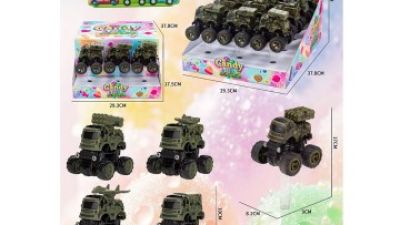
Toy-Market Insights from Circana and Statista: Fun Candy Sets with Construction, Military & Fire Truck Vehicles

Toy cars paired with colorful candy offer a playful way to bring together imaginative play and a small sweet treat. In a toy market where variety and visual appeal can help products stand out, this collection features three vehicle themes: construction vehicles, military-style vehicles, and fire trucks. Each theme includes four distinct designs, giving children several options to discover, display, and enjoy during playtime.

Each showcase box presents 12 carefully crafted cars, arranged to make the assortment easy to browse in a shop or at home. For shipping convenience, eight showcase boxes are packed together in one carton. A colorful candy accompanies every car, adding a cheerful treat to the vehicle-themed experience. As a China-based supplier, our factory brings together varied designs, practical display packaging, and playful details in a collection created to delight young fans of toy vehicles.

FAQS

What makes hard candy hard?

Hard candy becomes firm when cooking removes most of the water. The syrup cools into a glass-like solid. No special hardening ingredient is required.

How is hard candy usually cooked?

Makers heat sugar, glucose syrup, and water to roughly 149–154°C. They add flavors or colors, then shape the syrup as it cools. Timing matters.

What common forms can buyers choose?

Options include clear drops, boiled sweets, fruit disks, lollipops, pulled pieces, and filled candies. Shape affects packing and eating time. The categories can overlap.

What should buyers check when comparing samples?

Compare piece weight, color, flavor, and hardness across samples. Check that filled pieces do not leak and boiled sweets resist sticking. A sample can mislead.

How can buyers reduce sticking during storage?

Test sealed samples under realistic storage and shipping conditions. Humidity can make wrappers cling or candy surfaces turn tacky. Test the seal.

What packaging details matter?

Look for clear batch codes, readable ingredient and allergen details, and packaging suited to the destination market. A neat carton proves little.

Can a market report predict demand for one candy shape?

Not reliably. A broad confectionery market estimate does not prove demand for drops, disks, or any single product. That distinction is easy to miss.

What documents and tests should buyers review?

Check ingredient lists, nutrition details, permitted claims, packaging information, recent test reports, and traceability records. Confirm they match the product and batch. Paperwork can miss details.

Are taste panels enough to judge product quality?

No. Taste panels help compare flavor, but they cannot replace document checks or shelf-life testing. Neither can a polished sample promise consistent production.

Conclusion

Hard Candy is made by cooking sugar mixtures to a firm, low-moisture consistency, then shaping them into pieces that can keep their form and flavor over time. Common types include classic drops, boiled sweets, and fruit disks, along with mint, butterscotch, and other flavor-led varieties. Some candies feature a filled center, a sour coating, or distinct layers, while lollipops offer a format designed for slower enjoyment. Herbal and sugar-free options further broaden the range for different preferences and product needs.

For global buyers, selecting Hard Candy involves more than comparing flavors. Consistent taste, color, size, texture, and resistance to moisture can help ensure reliable product quality. Buyers also consider packaging that protects the candy during storage and transport, presents it clearly, and suits the intended market. Reviewing ingredient information, labeling, and applicable compliance requirements helps buyers make informed sourcing decisions and deliver products that meet customer expectations.

Nathaniel

Nathaniel

Nathaniel is a dedicated marketing professional at Longtong Group, where he thrives in the fast-paced environment of OEM production. With a strong expertise in the snack industry, he plays a pivotal role in showcasing the company’s extensive product range, which includes favorite treats such as......
Previous 2026 Best Gummy Bear Suppliers for Global Buyers