Leave Your Message
0%

So, why should you consider Bubble Blowing Candy for your brand? Well, it’s not just about adding something sweet to your lineup—it’s about offering a fun, playful experience that takes things a little beyond the usual. Instead of just eating candy, customers, especially kids, can unwrap it, taste that fruity flavor they love, and even blow tiny bubbles. That little visual moment is perfect for sparking conversations, getting people to share on social media, and encouraging folks to come back for more. Plus, it gives retailers a great story to tell with eye-catching displays or seasonal promos.

Of course, quality always comes first. A good confectionery partner isn't just about novelty—they’ll check the ingredients, the texture, how stable the flavor is, how well it’s packaged, and that it’s safe and suitable for different age groups. Every batch needs to be made following strict production controls and food safety standards. And don’t forget clear labeling! Everything about ingredients, nutrition, allergens, and how the product performs needs to be accurate and honest for your target market. Doing occasional sampling is also a smart move—it can help catch issues like the candy becoming sticky in humid conditions or packaging tearing during shipping.

But hey, let's keep it real—this candy isn’t a magic fix for weak branding or poor distribution. Some people might find blowing bubbles a bit tricky, especially if instructions aren’t straightforward. So, it’s a good idea to test it out with real users first—see how they handle it, gather honest feedback, and make sure it’s a smooth experience before committing to a big order. The packaging should clearly showcase what the experience is about without making over-the-top promises. When launching, a mix of retail displays, live demos, and short videos online can really help show off what it’s all about. And the key here is matching the flavor, packaging, pricing, and target audience—that’s what really makes it successful. While bubble blowing candy can definitely grab attention, careful planning and execution build trust and make sure people keep coming back for more.
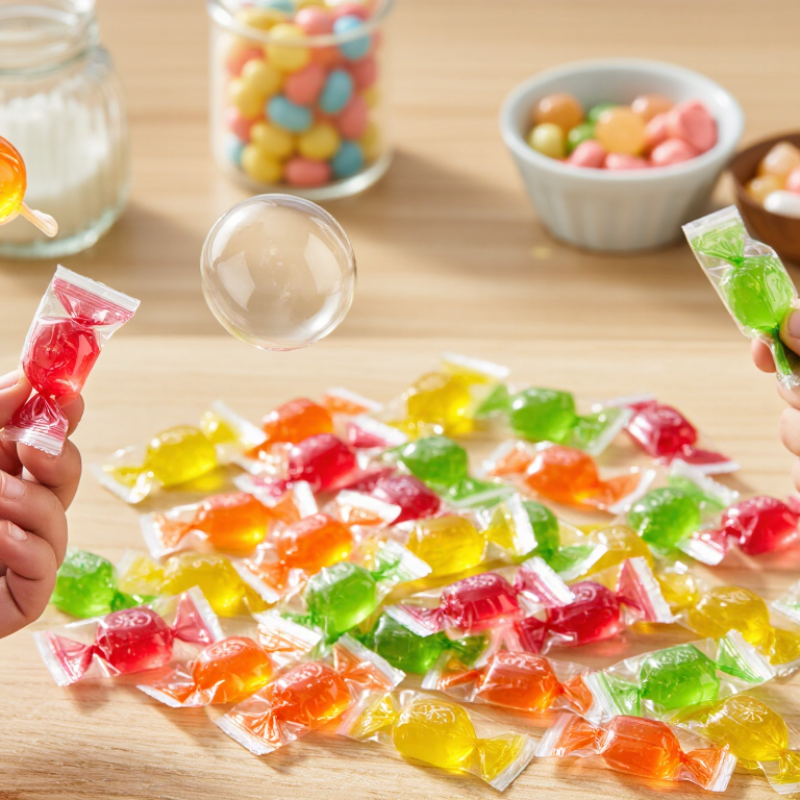
Why Choose Bubble Blowing Candy for Your Brand?

What Is Bubble Blowing Candy?

Bubble blowing candy is a chewable confectionery designed to stretch and hold air. Unlike ordinary hard candy, it usually contains a flexible gum base, sweeteners, flavorings, and food-grade colors. Some formats use a soft center with a thin outer coating. Others are shaped as small pieces for easier portioning.

The bubble forms when chewing aligns the gum’s elastic structure around trapped air. It is simple in theory, but texture control is demanding. Too firm, and the candy feels tiring. Too soft, and the bubble collapses quickly. According to Statista Market Insights, the global chewing gum market was forecast to generate about US$19 billion in 2024. That scale suggests strong familiarity, but it does not guarantee a product will satisfy consumers.

The National Confectioners Association reported in its 2024 State of Treating study that 92% of Americans enjoy candy as an occasional treat. Bubble blowing candy can support that playful experience through bright shapes, fruity aromas, and interactive use. Yet the category is not perfectly defined. Some consumers may confuse it with gum or ordinary chewy candy. Clear ingredient descriptions matter.

For brand development, manufacturers should verify gum-base specifications, sweetener levels, allergen controls, and shelf-life performance. Packaging also needs to protect texture in warm storage conditions. A fun product can still disappoint when it becomes sticky. Testing with real users is essential, although small sample groups may create misleading confidence. Sales data, sensory feedback, and regulatory reviews should be considered together.

How Bubble Blowing Candy Works

Why Choose Bubble Blowing Candy for Your Brand?

How Bubble Blowing Candy Works

Bubble Blowing candy combines a dissolving candy shell with a flexible gum center. Saliva softens the outer layer first. Chewing then warms the gum base and spreads flavor through the mouth. The consumer presses the softened gum against the palate, pulls it forward, and blows gently. A thin gum film forms between the lips. Small bubbles appear first. Larger bubbles require steady airflow and the right moisture level.

The formula matters more than the appearance suggests. Gum base provides elasticity, while sweeteners and softeners control chewability. Too little moisture makes the gum tear. Too much creates a sticky, weak film. Temperature also changes performance during storage and transport. In practical testing, teams should check bubble size, chew time, shell breakage, and texture after heat exposure. Humidity remains an easy detail to underestimate.

Fortune Business Insights valued the global confectionery market at USD 232.63 billion in 2023. Its report also identifies product innovation as a continuing growth factor. Bubble Blowing candy offers a visible, participatory experience rather than a simple sweet taste. The concept is promising, but not automatically successful. Poor flavor release or inconsistent elasticity can disappoint users quickly. Packaging should protect texture and provide clear consumption guidance. Testing must also follow applicable food-safety and labeling requirements in each market.

Key Features That Attract Consumers

Bubble blowing candy attracts consumers through active play, not taste alone. Its soft chew, stretch, and bubble-making action create a memorable sensory experience.

The National Confectioners Association’s 2024 State of Treating report recorded more than $49 billion in U.S. confectionery retail sales during 2023. In a crowded category, interactive formats can give a product stronger shelf appeal.

Texture is the main feature to test. A smooth chew should last long enough for bubble blowing, without becoming overly sticky.

Colorful pieces, clear packaging, and playful shapes also help consumers understand the product quickly. Innova Market Insights identifies “Experiences” as a major food and beverage innovation direction, showing that consumers increasingly value products offering more than basic consumption.

The sound helps.

Bubble Gum products should also support simple, reliable use. Consistent flavor release matters during the first few chews, while portion-friendly packaging can reduce mess in bags and pockets.

However, bubble blowing candy is not perfect. Excessive stickiness may frustrate younger users, and strong artificial notes can weaken repeat purchase interest. Small consumer tests can reveal these problems before production.

A practical review should measure chew time, bubble performance, package handling, and taste after several minutes. That feedback may challenge the original concept, which is useful. Consumers may enjoy the playful feature once, but dependable texture and pleasant flavor encourage them to buy again.

Branding and Customization Opportunities

Bubble blowing candy gives a brand more than a sweet product. It creates a visible moment: a colorful pouch, a playful wrapper, and a bubble forming beside a child’s smile. Innova Market Insights reported in its 2024 trends research that six in ten consumers enjoy trying new flavors. This supports limited editions, seasonal colors, and flavor combinations such as mango-lime or berry yogurt.

Customization can begin with the candy shape, coating, aroma, and bubble strength. Packaging also deserves careful testing. A clear window may show the product, while resealable packaging helps protect texture and freshness.

According to Smithers, the global flexible packaging market is expected to continue growing through 2028, driven partly by convenience and product differentiation. That makes small-format pouches useful for events, retail counters, and online gift sets.

Make the experience measurable.

A custom QR code can lead to a flavor survey or age-appropriate campaign page. Sales teams can compare repeat orders, scan rates, and customer feedback instead of relying only on impressions.

However, customization is not automatically effective. Too many colors may weaken shelf recognition, and unusual flavors can increase production risk. Pilot batches are safer. In practice, I would test two designs, three flavors, and one package size before expanding. Consumer preferences change quickly, and packaging that looks impressive in a sample room may feel confusing in a busy store.

Packaging, Safety, and Product Quality

Bubble Gum Gift products succeed when packaging feels safe, practical, and honest. A food-contact pouch should use documented materials, stable inks, and strong heat seals. ISO 22000:2018 provides a recognized framework for managing food-safety risks across the supply chain. That matters because the World Health Organization estimates that contaminated food causes 600 million illnesses worldwide each year. Bubble gum needs protection from moisture, dust, and heat. One weak seal can turn a colorful product into a sticky disappointment.

Packaging also shapes handling quality. Each piece should remain separated, clean, and easy to inspect through a clear window or controlled opening. Suppliers should provide migration testing, allergen controls, batch records, and traceability documents. The European Commission’s food-contact framework requires materials to avoid transferring harmful substances into food under expected conditions. Practical checks still matter. Drop tests, seal-strength tests, and storage trials reveal problems that paperwork can miss.

Product quality is more than flavor. It includes consistent bubble size, chew texture, color stability, and accurate labeling. The FDA Food Code 2022 emphasizes temperature control, hygiene, and contamination prevention in food operations. Yet even careful processes can fail. Humidity may soften gum; rough transport may damage cartons. Reviewing complaints and retesting samples keeps improvement real, not decorative. A reliable Bubble Gum Gift should look appealing at first glance and remain dependable after shipping.

Market Benefits and Target Consumer Groups

Why Choose Bubble Blowing Candy for Your Brand?
Market Benefits and Target Consumer Groups

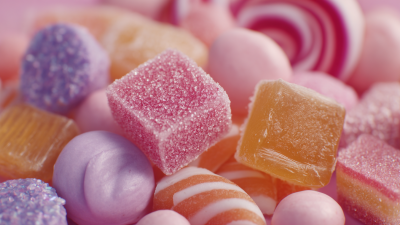
Bubble blowing candy creates a playful moment at the point of sale. Its texture, shape, and fruity aroma can increase product visibility. A colorful display may attract children, teenagers, and nostalgic adults. Retailers can place it near checkout counters, party supplies, or seasonal gift sections. These locations support impulse purchases without requiring a long product explanation. A Bubble Gum Store can also use small packs for sampling or event giveaways.

The strongest audience is usually young consumers seeking fun and social experiences. Parents may value clear ingredients, suitable portion sizes, and reliable packaging. Teenagers often respond to unusual flavors, collectible designs, and shareable moments. Adults may enjoy the familiar bubble-blowing experience, especially at parties or casual gatherings. Different groups need different messages. One package rarely serves everyone well.

Market research should guide the final choice. Review purchase frequency, flavor preferences, local price expectations, and customer feedback. Packaging should protect freshness and display essential allergen information clearly. Bright colors help, but they do not replace product quality. The candy must taste consistent from the first piece to the last. That standard can be difficult. Humidity, storage temperature, and transport conditions may affect texture. A careful launch should test these details before wider distribution.

Exploring Delicious Filled Granular Bubble Gum: Flavors, Benefits, and China Factory Supply Options

Filled granular bubble gum is gaining attention as a playful confectionery format that combines color, texture, and an unexpected center. Each small piece contains a flavorful juice filling, creating a burst of sweetness after the outer gum begins to soften. Fruit-inspired options such as strawberry, grape, orange, and mixed berry can appeal to children and adults, while bright colors make the product suitable for parties, gift bags, vending, and everyday sharing. The experience is primarily about enjoyment and interaction rather than nutrition, offering a fun way to add variety to the confectionery aisle.

Market data supports continued interest in convenient, affordable treats. Fortune Business Insights reports that the global chewing gum market was valued at more than USD 16 billion in 2023, with steady growth projected through the next decade. In addition, Grand View Research identifies product innovation, diverse flavors, and attractive packaging as important factors supporting confectionery sales. Filled granular gum responds to these trends by delivering a distinctive format that encourages trial and repeat purchase.

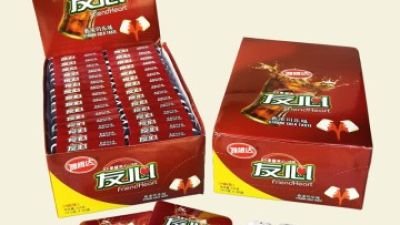
China factory supply options can include bulk cartons, retail-ready bags, customized piece counts, and assorted flavor combinations. Professional production partners may also provide color adjustment, filling specifications, packaging design support, sample approval, and batch quality inspections. Buyers should review ingredient declarations, food-contact packaging compliance, shelf-life testing, traceability, and export documentation before placing an order. With scalable manufacturing and flexible packaging solutions, China-based supply can serve wholesalers, retailers, and event distributors seeking colorful filled bubble gum for different markets.

FAQS

What is bubble blowing candy?

It is a chewable confectionery made to stretch and hold air. It often contains a flexible gum base, sweeteners, flavors, and food-grade colors. The texture matters most.

How does bubble blowing candy create bubbles?

Chewing aligns its elastic structure around trapped air. The candy must be flexible enough to stretch without tearing. Too firm feels tiring. Too soft collapses quickly.

What features attract consumers?

Soft chewing, bright colors, fruity aromas, and bubble-making create active enjoyment. Playful shapes help people understand the product quickly. The sound helps.

What texture should manufacturers target?

The chew should stay smooth and elastic for several minutes. It should resist excessive stickiness during use. A pleasant texture is harder to achieve than it looks.

How can packaging protect product quality?

Packaging should block moisture, dust, and heat. Strong heat seals help prevent sticky pieces after shipping. Clear openings can support quick inspection.

What safety checks are useful for this candy?

Suppliers should provide material records, allergen controls, batch details, and traceability documents. Migration testing helps confirm that packaging materials remain suitable for food contact. Paperwork is not enough.

Which product qualities should testing measure?

Testing should examine chew time, bubble size, flavor release, color stability, and package handling. Storage trials can reveal softening in humid conditions. Transport tests may expose damaged cartons.

Can small consumer tests prove the product will succeed?

No. Small groups may create misleading confidence. Consumers might enjoy the novelty once, then reject the flavor later. That possibility deserves attention.

How should product feedback guide improvement?

Teams should compare sales data, sensory comments, complaints, and safety reviews. A sticky piece found after shipping may matter more than attractive packaging. The original concept may need revision.

Conclusion

Bubble Blowing Candy is a fun and interactive confectionery product that combines sweet flavor with the excitement of creating bubbles. Designed to be enjoyed as both a treat and an activity, it can appeal to children, teenagers, and adults seeking a playful candy experience. Its simple blowing mechanism encourages interaction, while a variety of flavors, colors, and shapes can make the product more attractive and memorable.

For businesses, Bubble Blowing Candy offers valuable opportunities for customization through unique packaging, themed designs, personalized labels, and different product sizes. Attractive packaging can support product recognition while maintaining freshness, hygiene, and ease of use. Careful attention to ingredient quality, food safety, and reliable production standards is essential for building consumer confidence. With its entertaining format and broad appeal, Bubble Blowing Candy can suit seasonal promotions, party favors, gift collections, family-oriented products, and impulse purchases, helping create a distinctive product experience in a competitive confectionery market.

Isabelle

Isabelle

Isabelle is a skilled marketing professional at Longtong Group, a prominent name in the OEM production of an extensive range of snacks. With a deep understanding of the snack food industry and a passion for creating delightful treats, she plays a pivotal role in showcasing the company's diverse......
Previous What Are the Top Christmas Snacks for Global Buyers in 2026?